Stump Grinding & Removal
Your Guide to Stump Removal in Northern Utah: Grinding vs. Full Dig-Out
Stubborn tree stumps are more than just an eyesore; they can also get in the way of yard work, attract insects, and cause unwanted tree regrowth. If you’ve recently had a tree removed but the stump still remains behind, you’re probably wondering what option makes the most sense for your property. That’s where stump grinding and stump removal come into play, with each method offering a different approach depending on your yard goals.
At Darrell’s Tree Service, we’ve been helping property owners in Northern Utah, including Ogden, tackle these problems for over 40 years. Our team understands local soil conditions, common tree species, and the kinds of challenges homeowners deal with year-round. Whether you want to prep your yard for a future project or just need a cleaner look, we’re here to help you move forward without guessing your way through it.
Why Removing That Old Stump Makes a Big Difference
Leaving a tree stump in your yard might not seem like a big deal at first, but it’s one of those things that can gradually turn into a bigger hassle. Decaying wood can become a magnet for termites, carpenter ants, or even mold, which is the last thing most homeowners want near their house or garden space. As time passes, stumps can also start to sprout new tree shoots, which makes yard maintenance more frustrating and sets you right back where you started.
There’s also a safety factor. It’s easy for someone to trip on a low stump, especially if it’s surrounded by taller grass or hidden by leaves. For families with kids running around the yard or for rental properties with tenants, this can become a liability issue that’s better handled sooner rather than later.
Aside from health and safety, removing the stump helps open up space for other projects. Whether that’s fresh lawn installation, a deck, or simply cleaning up an overgrown section, stump removal puts you back in control of how you use your outdoor space. One homeowner in Ogden was unable to move forward with a backyard patio upgrade because two old stumps were in the way, grinding them down let them finally level out the ground and finish the job properly.
Here are a few reasons why you might want to remove a stump sooner than later:
- Reduces insect and pest infestation
- Prevents stump sprouting and regrowth
- Eliminates tripping hazards
- Makes yard maintenance easier
- Creates usable space for new projects
- Improves the overall appearance of the property
Not every stump needs to be fully dug up, sometimes grinding is enough. Understanding the pros and cons of grinding versus full removal will help you decide which route to take.
Stump Grinding vs. Full Removal: What's the Better Option for You?
Deciding between grinding a stump or removing it entirely depends on a few practical questions. If the stump isn’t causing deep root problems or isn’t sitting in a location you’ll need to dig or build on, stump grinding is usually enough. It leaves the roots in place but grinds the visible part down to below ground level so you can cover it with soil or grass. This option works well if you’re looking for a quick solution that doesn’t require digging up a large area.
On the other hand, full stump removal involves digging out both the stump and the root system. This is more labor-intensive but guarantees that the entire stump is gone, which is better for projects like replanting, excavation, or major landscaping work where roots might get in the way. It’s also ideal if the tree’s roots are causing issues with nearby sidewalks, plumbing, or foundations.
Stump grinding is faster and less disruptive, while full removal requires more time and effort, but offers a clean slate result. Your choice really depends on what you’re doing next in that space. If you’re not sure, a quick evaluation from a trained professional can save you a lot of time. Darrell’s Tree Service helps homeowners in Ogden navigate this decision every day, based on local soil conditions and stump size.
Both methods can restore your yard, but knowing what you want to do with the space afterward helps determine which option is a better fit.
How Stump Removal Works from Start to Finish
Getting rid of a tree stump takes more than just the willingness to dig; it’s a process that requires the right equipment, the right approach, and a solid understanding of the ground conditions. That’s especially true in Northern Utah, where rocky or compacted soil is common and older trees often come with deeper root systems.
The process usually starts with a site visit so the team can check out the size and type of stump, how close it is to structures, and whether any underground utilities are nearby. Once that’s done, they’ll recommend either grinding or full removal. For stump grinding, the crew brings in a grinding machine that chips away the wood below the surface. The resulting mulch can either be left to fill the hole or hauled away, depending on what the homeowner wants.
Full removal takes more time, since it involves uncovering and pulling out the entire root structure. That can involve digging manually or using heavy machinery, depending on how deep the roots go. When the area is cleared, the crew either backfills the hole with topsoil or rough grades the spot to get it ready for seeding, new construction, or other yard improvements. It’s a process that’s loud and messy for a few hours, but once it’s done, the difference is huge.
Whether it’s just one small stump or several large ones, making the job easier starts with getting clear, expert input right from the beginning.
Why Local Experience Matters in Northern Utah
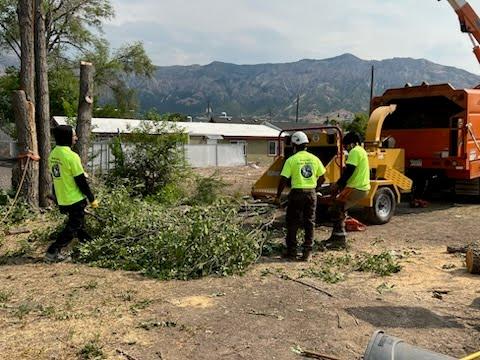
Tree roots don’t grow the same way in every region. The height of the water table, the density of the soil, and the type of native trees will all affect how deep and wide the roots go. In Northern Utah, Ogden included, large tree species like cottonwoods, elms, and silver maples can develop vast root systems that spread beyond the tree’s drip line. That means a stump left behind doesn’t always stay harmless. It can keep sending up suckers or continue interfering with your yard’s usability long after the tree’s gone.
That’s why working with someone who knows the local tree growth patterns, seasonal timing, and right equipment for the area can make such a difference. Removing a stump might not require a custom plan every time, but it does benefit from knowledge built on experience. Local crews tend to work more efficiently because they’ve seen it all before, and they know what works best for the soil, the season, and the setup of surrounding properties.
Another thing to think about is timing. In colder months, frozen ground can make full removal harder, though winter stump grinding is often still possible. On the flip side, spring and fall are great for tackling stumps if you’re trying to get new grass or plantings established before extreme heat or snow hits.
Proudly Serving
Logan
Ogden
Layton
Salt Lake
Wasatch Front
Book Your Tree Stump Removal Service Today!
Whether your goal is a finished patio, a wider garden bed, or just a clean, safer yard, stump removal plays into your timeline more than most people expect. A little planning ahead and insight from a reliable professional can help you stay on schedule. Darrell’s Tree Service has been helping families in Ogden and across Northern Utah do just that for over four decades.
If you're looking to take the next step in clearing space, improving safety, or finally wrapping up that outdoor project, the right team can make all the difference. Getting professional insight tailored to your property type and goals saves you time, mess, and guesswork.
Reach out to Darrell’s Tree Service today to talk with a local expert about your options for stump removal in Ogden. We’ll help you figure out the right approach, get it done safely, and leave your yard ready for whatever comes next.
Serving Ogden and Northern Utah with trusted, certified tree care since 1981.


