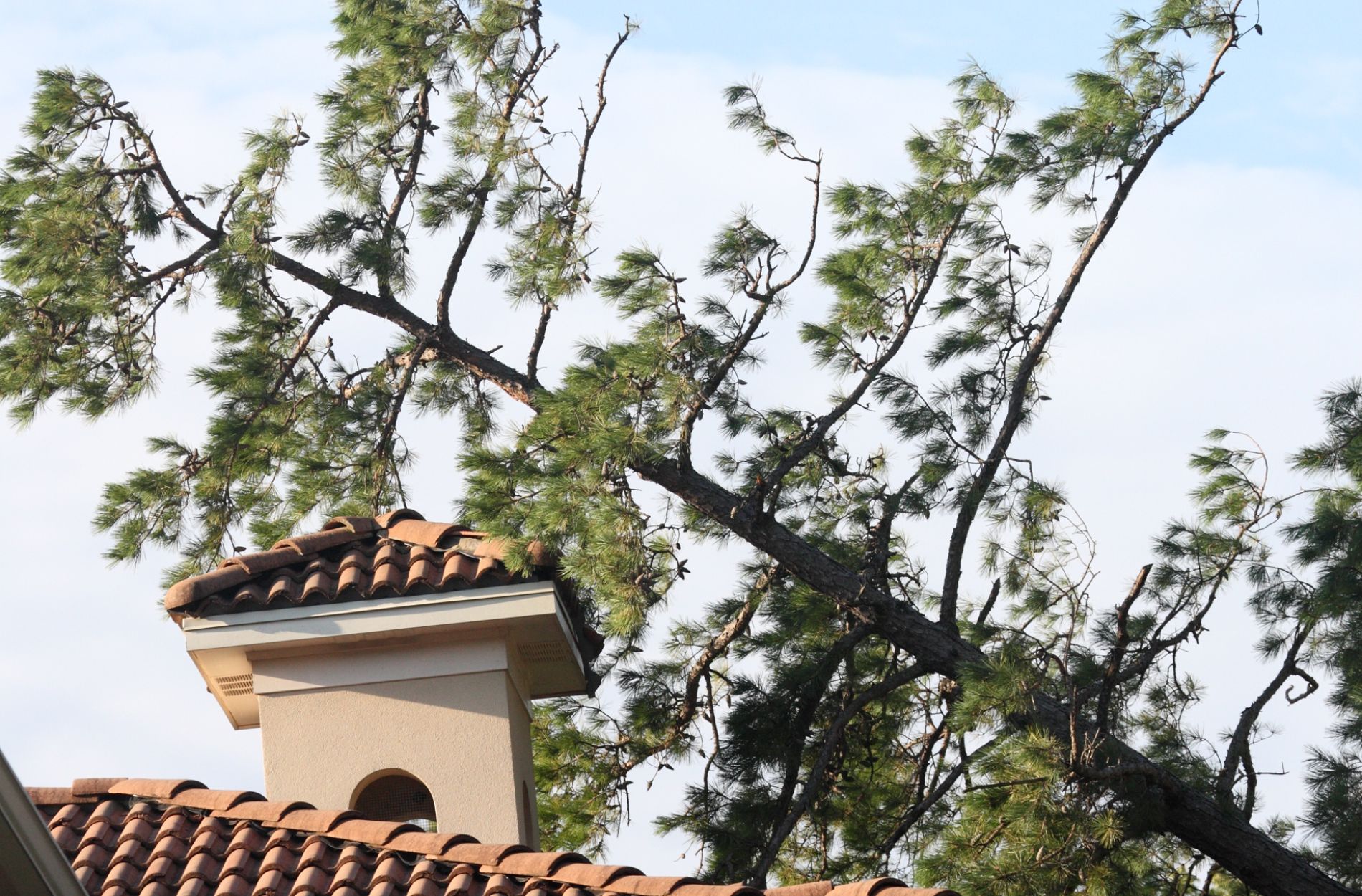
How Tree Hazard Assessment Services Work Before Spring Storms
Spring storms aren’t far off, and if you live in Logan, Tremonton, or anywhere across Northern Utah, you know just how strong they can get. Wind, rain, and soaked ground may take a toll on trees that already had trouble holding up through winter. That’s why this time of year is a smart window to check on what’s standing tall around your home or building.
Tree hazard assessment services help find problems early, when they’re easier to manage and less likely to cause damage. A limb might look fine now, but if it’s cracked or hollowed out, spring weather can push it past its limit. We use these checks to look for warning signs so nothing catches you off guard when the wind starts moving again. Knowing how these assessments work can help you decide if it’s time for one.
What Tree Risk Looks Like After Winter
After months of snow, ice, and freezing wind, trees may be hiding issues not visible from the ground. Cold weather can dry out or weaken limbs, and long nights of frost can settle into small cracks without anyone noticing. These weaker spots don’t usually fail right away, but the shift into wet, windy spring can reveal problems fast.
• Dead or brittle branches can break suddenly as trees try to take in more water.
• Leaning trunks can be a sign of loose roots or soft soil underneath.
• Bark splits or peeling may be a clue to deeper damage inside the tree.
• Mold, mushrooms, or oozing sap near the trunk may point to rot or disease.
Even trees that look sturdy can hold hidden damage from winter storms. If something on your tree didn’t look right in December, now is when trouble tends to show up. The quicker these risks are spotted, the easier it is to deal with them before storms make the problem worse.
What Happens During a Tree Hazard Check
When we arrive for a hazard check, we start with a walk of the property to see how each tree is doing. A lot of small signs can point to larger problems, so we take our time. It’s not just about guessing which limbs look off, we’re trained to read the condition of the whole tree.
During a check, we usually look for:
• Cracks, splits, or deadwood in large limbs
• Trunk damage or cavities that suggest decay
• Leaning trees or visible root issues
• Signs of pests, fungus, or tree disease
• Height, structure, and position of the tree in relation to buildings or power lines
In some cases, we might use a mallet to tap on the trunk and listen for hollow spots. Other times, we might climb a tree or use special tools to take a closer look. Every property is different, but our goal stays the same: to find what might become a hazard if we wait too long. Darrell’s Tree Service provides risk assessments performed by certified arborists, ensuring each evaluation follows proper industry standards and includes expert recommendations for next steps.
What Happens After the Tree Assessment
A full hazard check ends with a list of what needs attention. Not every issue means a tree has to go, and not every dead branch calls for full trimming. What happens next depends on the condition of the tree and how much risk it presents.
• Healthy trees with minor concerns may only need a cleanup trim.
• Weak or damaged trees could be supported with braces or cables.
• Trees with serious decay or split trunks might need to be removed.
We walk through all of this with you in plain terms. If a tree is unsafe, we explain why and what the options look like. And if it just needs small care to stay safe through spring, we handle that too. The goal is to be ready before the season shifts from cold to wet and windy. For properties with stubborn stumps from winter damage, Darrell’s Tree Service can also provide stump grinding as part of our complete hazard management solutions.
When and Why to Book a Visit Before Spring
Late winter is one of the best times to schedule a hazard check. Snowfall is starting to ease up in many parts of Northern Utah, like Salt Lake City, but the soil hasn’t fully thawed yet. This gives us the chance to inspect trees while they’re still bare, without the leaves blocking our view.
There are a few reasons we like to act early:
• Spring storms develop fast and without much warning.
• Waiting too long can mean bigger damage and more urgent repairs.
• Booking before the storms gives time to plan and act safely.
• The harsh freeze-thaw pattern of late winter can speed up decay.
It’s not about panicking over every tree. It’s about setting a plan early, when you have more options and less pressure.
Prepared for Spring, Protected All Season
Having your trees professionally checked by a certified crew means you’re one step ahead of the unpredictable spring weather in Northern Utah. Spotting weak points now helps avoid expensive damage and keeps your property both beautiful and safe.
With more than 40 years serving the Ogden and Northern Utah communities, we bring trusted expertise, from residential yard checks to comprehensive commercial property assessments. A little preparedness goes a long way, so you can relax and enjoy the new season with confidence.
Stay ahead of spring weather problems in Logan, Tremonton, or Salt Lake City with a certified tree check from Darrell’s Tree Service. We’ll walk your property, personally inspect every tree, and point out what needs attention before storms arrive. Our team focuses on catching minor issues early to help prevent costly damage later. To see what’s included in our tree hazard assessment services, check out our full range of options for Northern Utah. Ready to book your visit? Give us a call today.
