Darrell’s Tree Service
Trusted Residential and Commercial Tree Service for Northern Utah
Serving Ogden & The Wasatch Front Since 1981
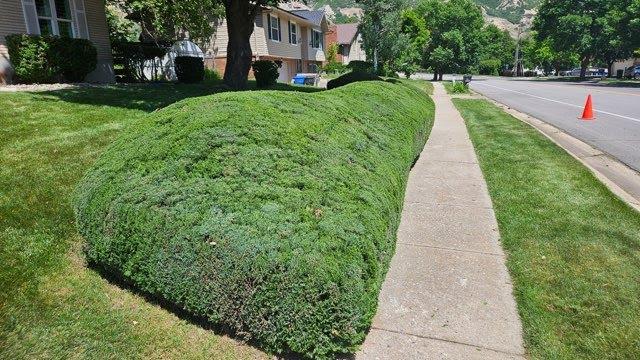
Healthy Trees.
Happy Propertys.
Peace of Mind.
For over 40 years, Darrell’s Tree Service has been Northern Utah’s go-to team for expert tree care, removal, and landscape solutions. Our certified arborists combine deep local knowledge with professional training to keep your property safe, beautiful, and thriving, season after season.
Our Services
OUR SERVICES
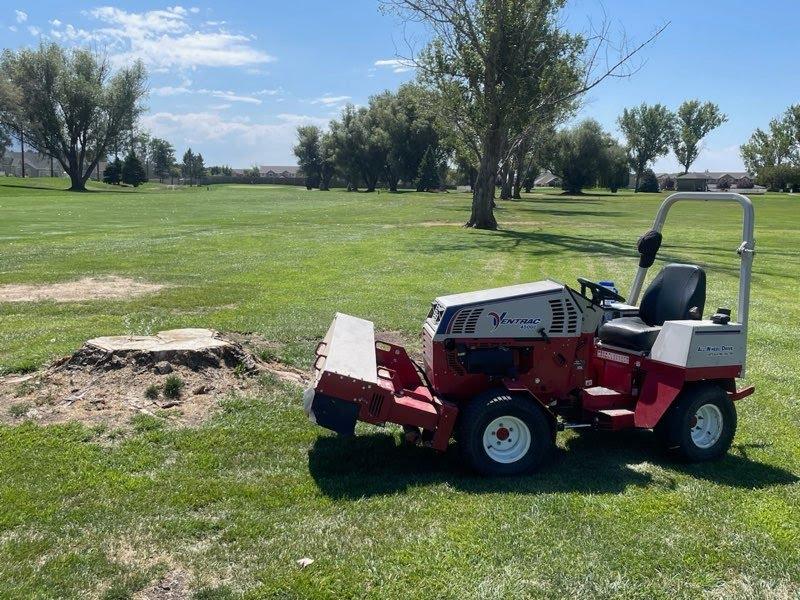
Tree Removal &
Stump Services
Tree Removal, Hazardous Tree Removal, Stump Grinding & Removal, Land Clearing.
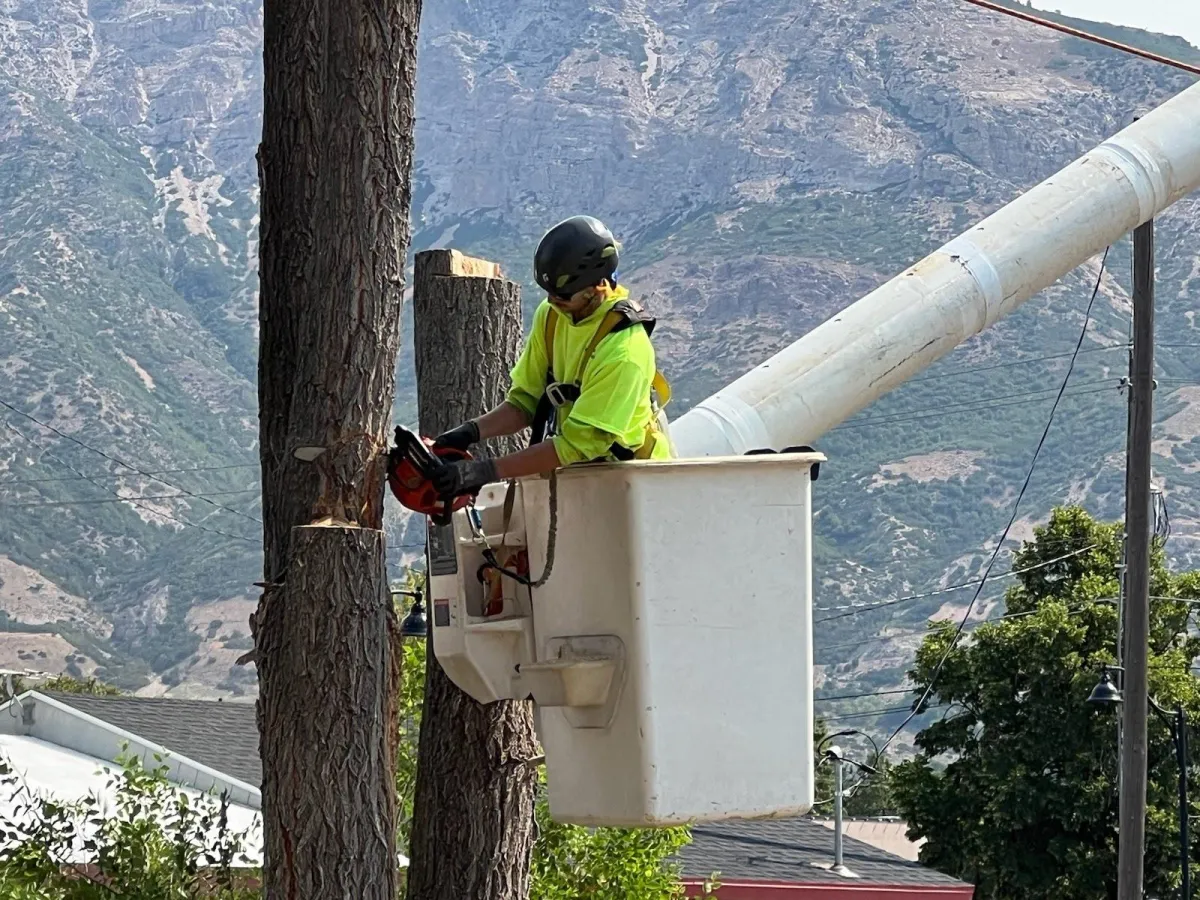
Tree & Shrub Care
Trimming & Pruning, Shrub & Landscape Maintenance, Fertilization, Treatment
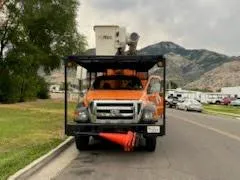
Emergency &
Storm Services
Emergency Tree Services, Storm Damage Response
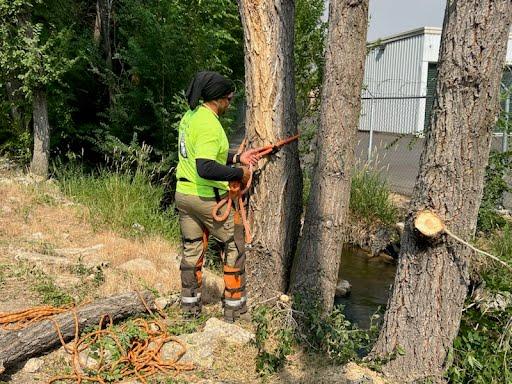
Tree Health & Structural Support
Diagnosis & Risk Management, Cabling, Bracing & Preservation
Why Choose Darrell’s?
Trusted, Local Tree Care Experts
Since 1981
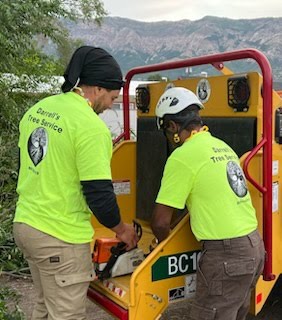
Here's what you get:
Locally Owned & Operated Since 1981
Certified, Experienced Arborists
Free, No-Obligation Estimates
Fully Licensed & Insured
Prompt, Thorough Cleanup, Every Job
4.6-Star Rated by Your Neighbors
Areas We Serve
CLIENT'S REVIEWS
WE HANDLE EVERYTHING FOR YOU
OVER
40
YEARS OF SERVICE
OVER
52,000
TREES TAKEN CARE OF
OVER
30
COMMUNITIES SERVED
Commercial Tree Service
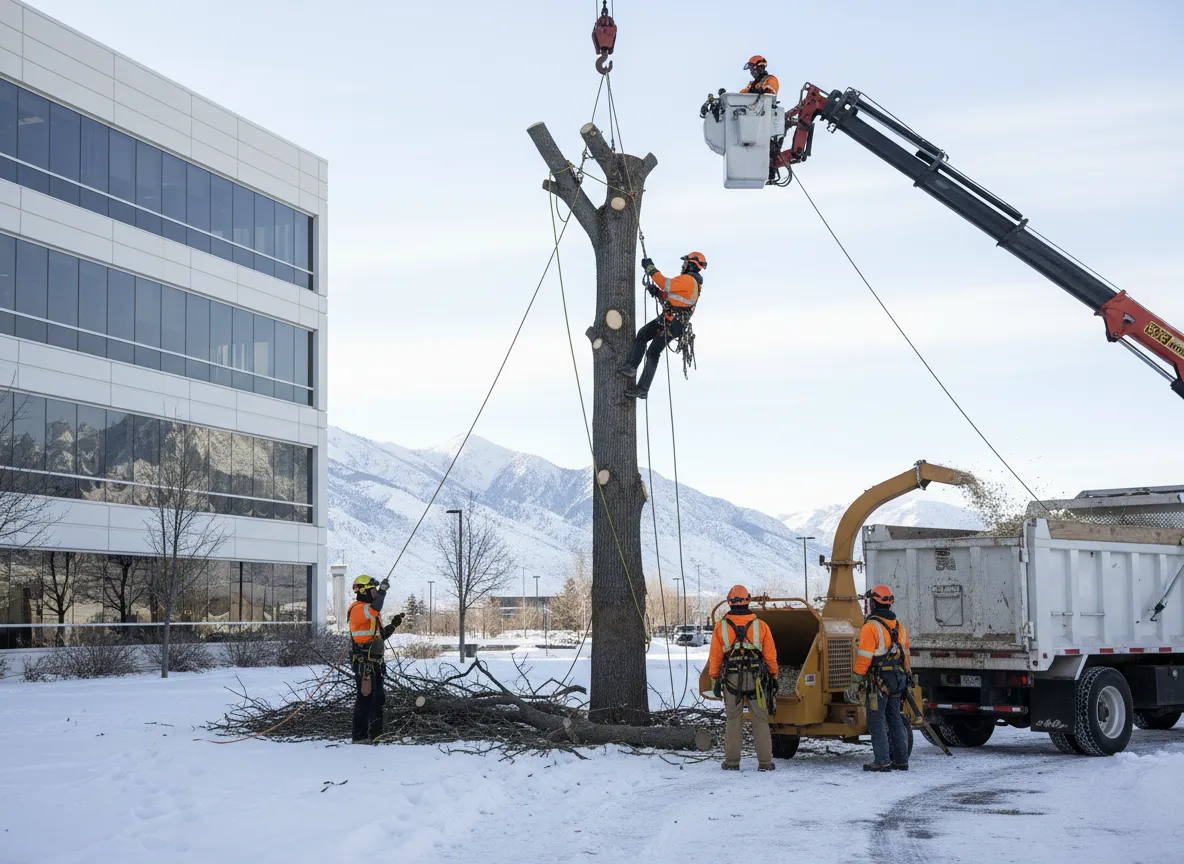
We serve cities, churches, schools, hospitals, property management companies, HOAs, and businesses throughout the region. Our certified arborists and fully insured team deliver professional tree removal, pruning, stump grinding, and root grinding services tailored to meet the unique needs of commercial properties.
Whether you manage a municipal facility, institutional campus, apartment complex, or retail property, we provide reliable, efficient service that protects your investment and maintains your landscape's health and safety. From emergency storm response to routine maintenance, Darrell's Tree Service combines certified expertise with competitive pricing to keep your commercial property looking its best. Contact us today for a free estimate and discover why Weber County, Davis County, Box Elder County, and Salt Lake County trust us leading organizations trust us with their tree care needs.
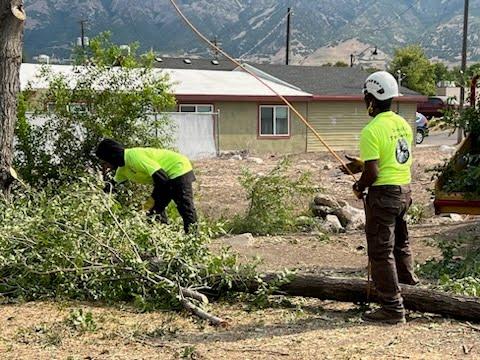
Residential Tree Service
Darrell's Tree Service is the trusted choice for residential tree care throughout Ogden, Layton, Salt Lake City, and surrounding Northern Utah communities. With over 40 years of local expertise, our certified arborists deliver professional tree removal, pruning, stump grinding, and root grinding services designed to protect your home and property. Whether you're dealing with storm damage, overgrown trees threatening your foundation, or routine maintenance to keep your landscape healthy and safe, our fully insured team provides reliable, efficient service at competitive prices.
We understand that your home is your most valuable investment, which is why we treat every residential project with the care and attention it deserves. From emergency 24/7 response to scheduled maintenance, Darrell's Tree Service combines certified expertise with transparent pricing and exceptional customer service. Contact us today for a free estimate and experience why homeowners from as far North as Logan and Tremonton to Salt Lake City and everything in between Northern Utah.
RECENT POSTS
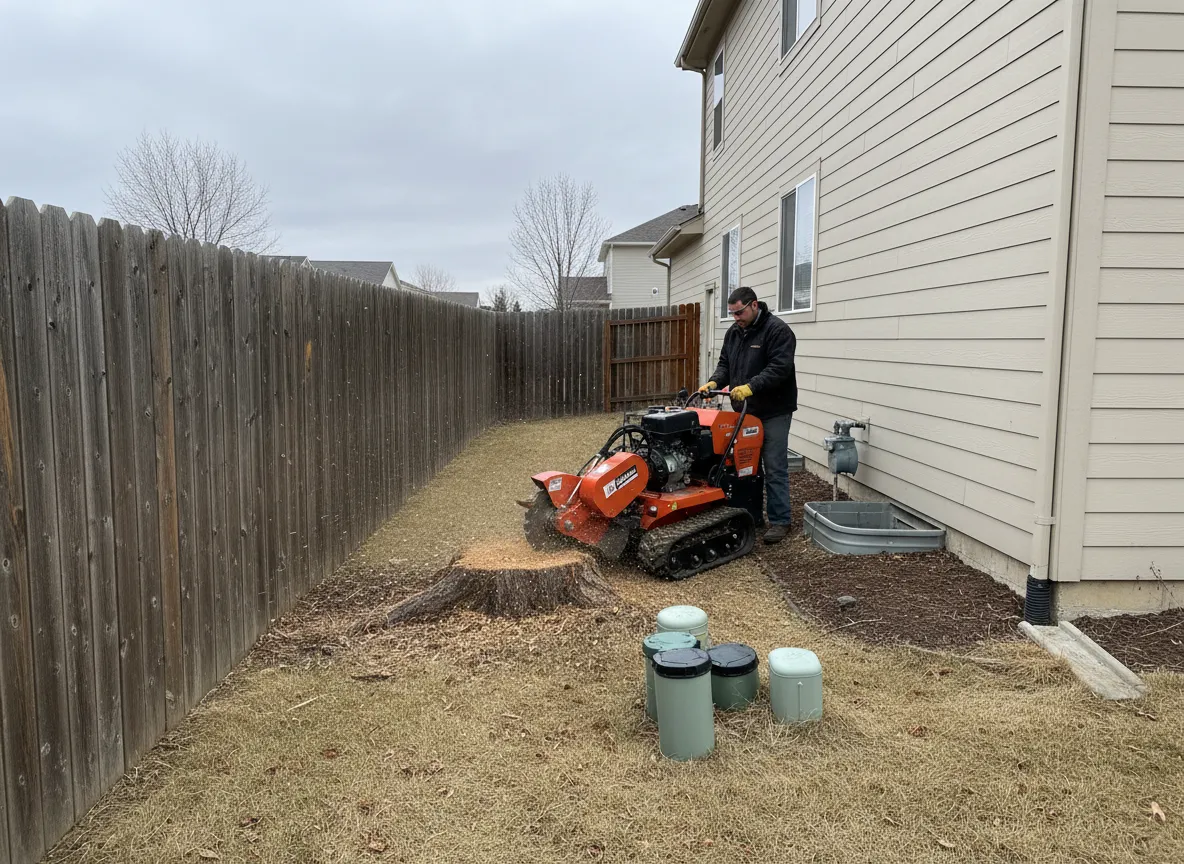
Root Grinding in Layton, UT: Remove Tree Roots Without Wrecking Your Yard | Darrell’s Tree Service
Root grinding is one of those “small” problems that can quietly turn into a big headache—especially in Layton where yards and commercial landscapes take a beating from freeze/thaw cycles, summer heat, and the occasional windstorm. If you’ve had a tree removed and you’re still tripping over roots, fighting dead patches of grass, or worrying about a mower-blade-meets-root situation, root grinding is often the cleanest, least disruptive fix.
What root grinding is (and what it isn’t)
Root grinding is the process of using a specialized grinder to shave down exposed or shallow surface roots below grade so you can safely use the space again—without tearing up the entire yard.
A few quick clarifiers:
- Root grinding is not full root removal. If you want every root chased out to the ends, that’s a different scope (and usually much more invasive).
- Root grinding is targeted. We focus on the roots that are causing problems: lifting turf, cracking edges, creating trip hazards, or blocking replanting.
- Root grinding is usually done after tree removal or stump grinding. If the stump is already gone but the roots are still causing issues, root grinding can be done as a standalone service.
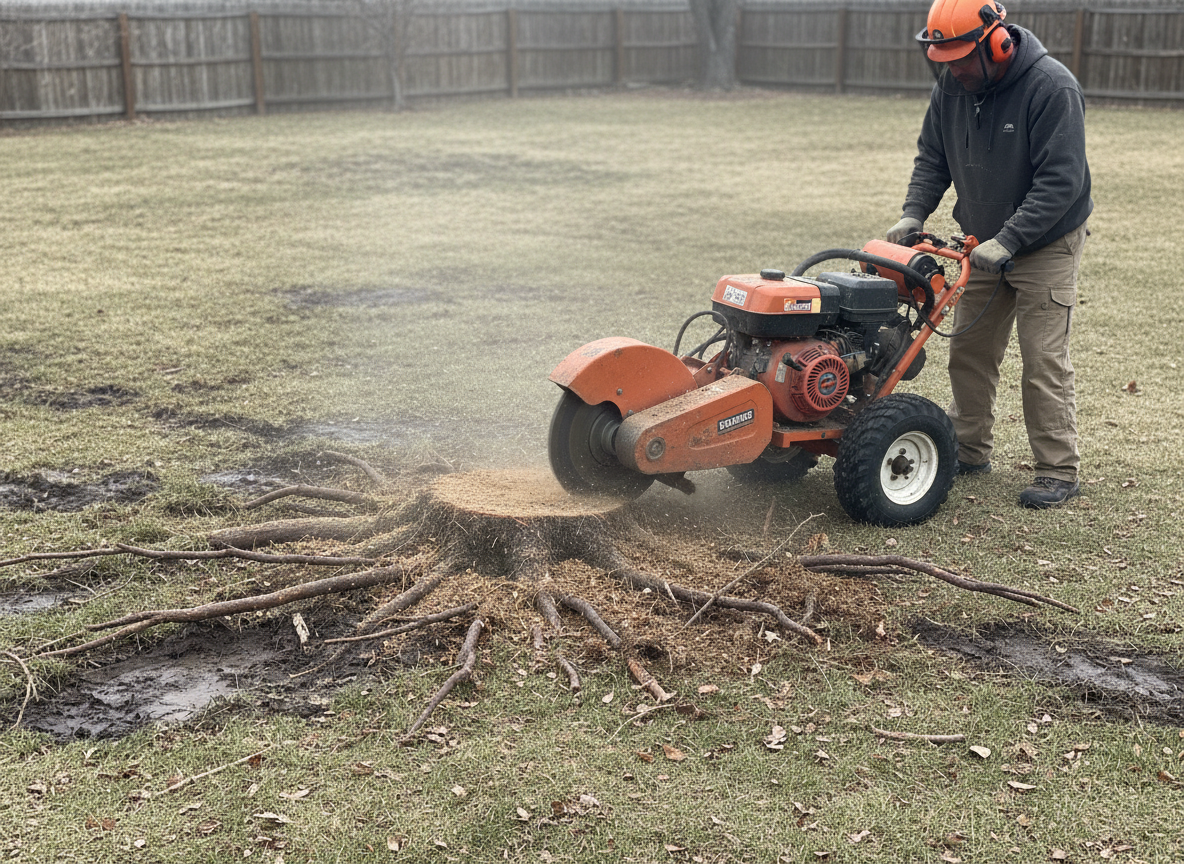
If you’re searching for root grinding in Layton, what you’re usually looking for is: “Help me get these roots under control so my property is safe, usable, and looks normal again.” That’s exactly what this service is for.
Why roots become a problem in Layton yards and commercial properties
Northern Utah properties deal with a mix of conditions that can make root issues more noticeable over time:
- Freeze/thaw cycles can heave soil and expose roots that used to be buried.
- Drought and hot summers can shrink soils and reduce turf coverage, making roots more visible.
- Irrigation patterns (especially around commercial landscapes) can encourage surface rooting.
- Windstorms and heavy snow loads can stress trees, leading to removals—then the leftover root system becomes the next problem.
Common scenarios we see in Layton:
- A tree was removed months ago, but surface roots keep popping up.
- Roots are lifting lawn edges, sidewalks, or curbing.
- A property manager is getting complaints about trip hazards near walkways.
- An HOA wants the area cleaned up before spring growth.
Signs you might need root grinding (not just “wait and see”)
Some root issues are cosmetic. Others are a safety or maintenance problem. Here are the signs it’s time to act:
- You’re tripping or worried tenants/customers will trip.
- Your mower keeps bouncing or scalping turf over roots.
- Roots are damaging sprinkler lines or making irrigation inconsistent.
- You want to re-sod, re-seed, or re-landscape, but roots are in the way.
- You’re seeing soil erosion around exposed roots.
- You’ve already done stump grinding, but the root flare and surface roots are still an issue.
If you manage a commercial property in Layton (church, HOA, retail center, office park, city site), root grinding is often the fastest way to reduce liability and get the landscape back to “normal.”
How root grinding works (step-by-step)
If you’ve never watched it done, it’s pretty straightforward—and much less dramatic than excavation.
- Site check and marking
We identify the roots that are causing the problem and talk through your goal: smoother lawn, safer walkway, room for new planting, etc. - Utility and irrigation awareness
We’re careful around sprinkler lines, landscape lighting, and nearby hardscapes. If something is in the danger zone, we plan around it. - Grinding the problem roots below grade
Using a grinder, we reduce the roots to a depth that allows for soil and turf coverage. The exact depth depends on the situation and what you want to do with the space. - Cleanup and surface prep
We clean up the grindings and leave the area ready for topsoil, seed, sod, or landscape work.

If you’ve been searching for “root-grinding-layton-ut” type solutions, this is the practical, property-friendly approach.
Root grinding vs. stump grinding vs. full removal
These terms get mixed up a lot, so here’s the simple breakdown:
- Stump grinding: Removes the stump and typically some of the root flare right around it.
- Root grinding: Targets problem roots beyond the stump area—especially surface roots that interfere with use of the space.
- Full root removal: Excavation-based removal of major roots (more invasive, more restoration afterward).
Most property owners in Layton choose root grinding because it’s the best balance of:
- Minimal disruption
- Faster turnaround
- Lower restoration costs
- Better safety and usability
What affects the cost of root grinding in Layton?
Pricing depends on what we’re actually dealing with on-site. The biggest cost factors usually include:
- How many roots need to be addressed (and how far they run)
- Root size and density (thicker, older roots take more time)
- Access (tight gates, slopes, landscaping obstacles)
- Proximity to hardscapes (sidewalks, curbing, patios, retaining walls)
- Irrigation and utilities (more care and planning)
- Whether stump grinding is also needed
Back to Blog

Serving Ogden and Northern Utah with trusted, certified tree care since 1981.
