Darrell’s Tree Service
Trusted Residential and Commercial Tree Service for Northern Utah
Serving Ogden & The Wasatch Front Since 1981
Healthy Trees.
Happy Propertys.
Peace of Mind.
For over 40 years, Darrell’s Tree Service has been Northern Utah’s go-to team for expert tree care, removal, and landscape solutions. Our certified arborists combine deep local knowledge with professional training to keep your property safe, beautiful, and thriving, season after season.
Our Services
OUR SERVICES
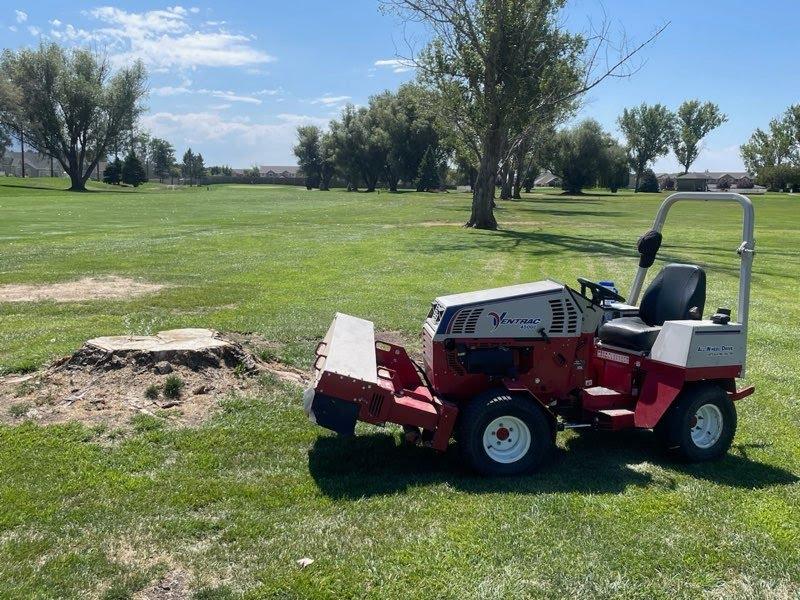
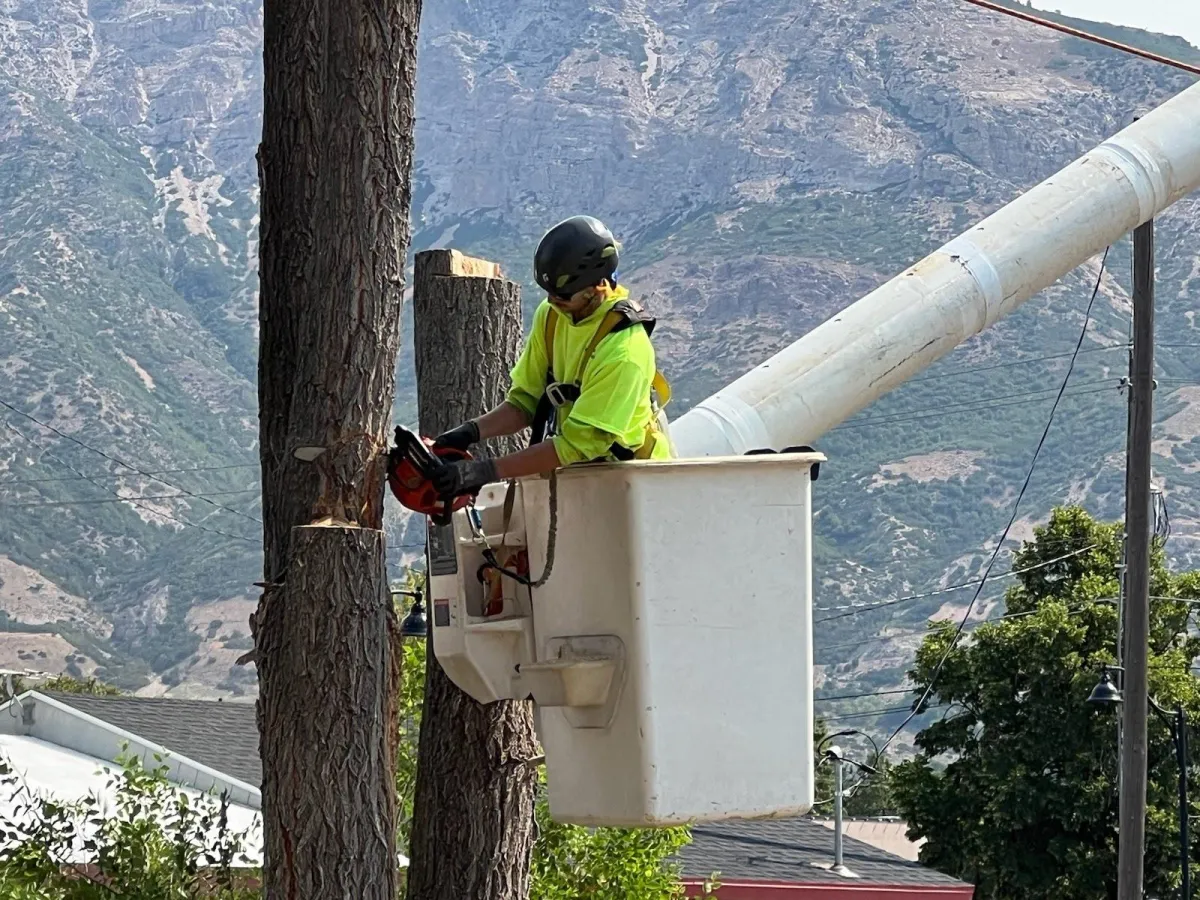
Tree Removal &
Stump Services
Tree Removal, Hazardous Tree Removal, Stump Grinding & Removal, Land Clearing.
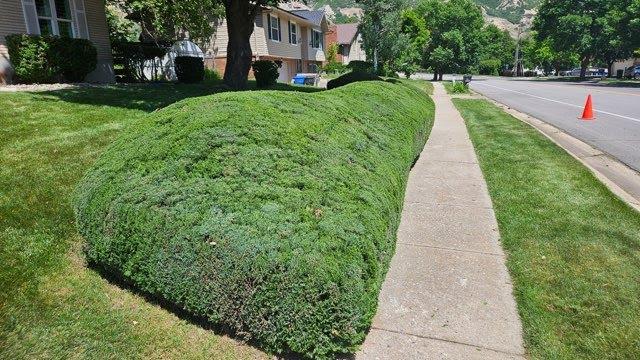
Tree & Shrub Care
Trimming & Pruning, Shrub & Landscape Maintenance, Fertilization, Treatment
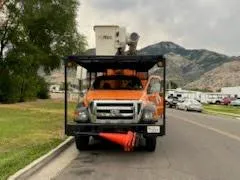
Emergency &
Storm Services
Emergency Tree Services, Storm Damage Response
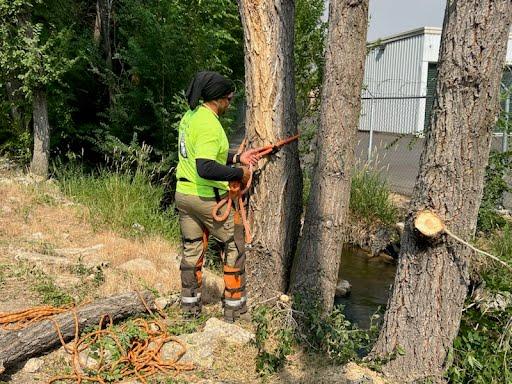
Tree Health & Structural Support
Diagnosis & Risk Management, Cabling, Bracing & Preservation
Why Choose Darrell’s?
Trusted, Local Tree Care Experts
Since 1981
Here's what you get:
Locally Owned & Operated Since 1981
Certified, Experienced Arborists
Free, No-Obligation Estimates
Fully Licensed & Insured
Prompt, Thorough Cleanup, Every Job
4.6-Star Rated by Your Neighbors
Areas We Serve
CLIENT'S REVIEWS
WE HANDLE EVERYTHING FOR YOU
OVER
40
YEARS OF SERVICE
OVER
52,000
TREES TAKEN CARE OF
OVER
30
COMMUNITIES SERVED
Commercial Tree Service
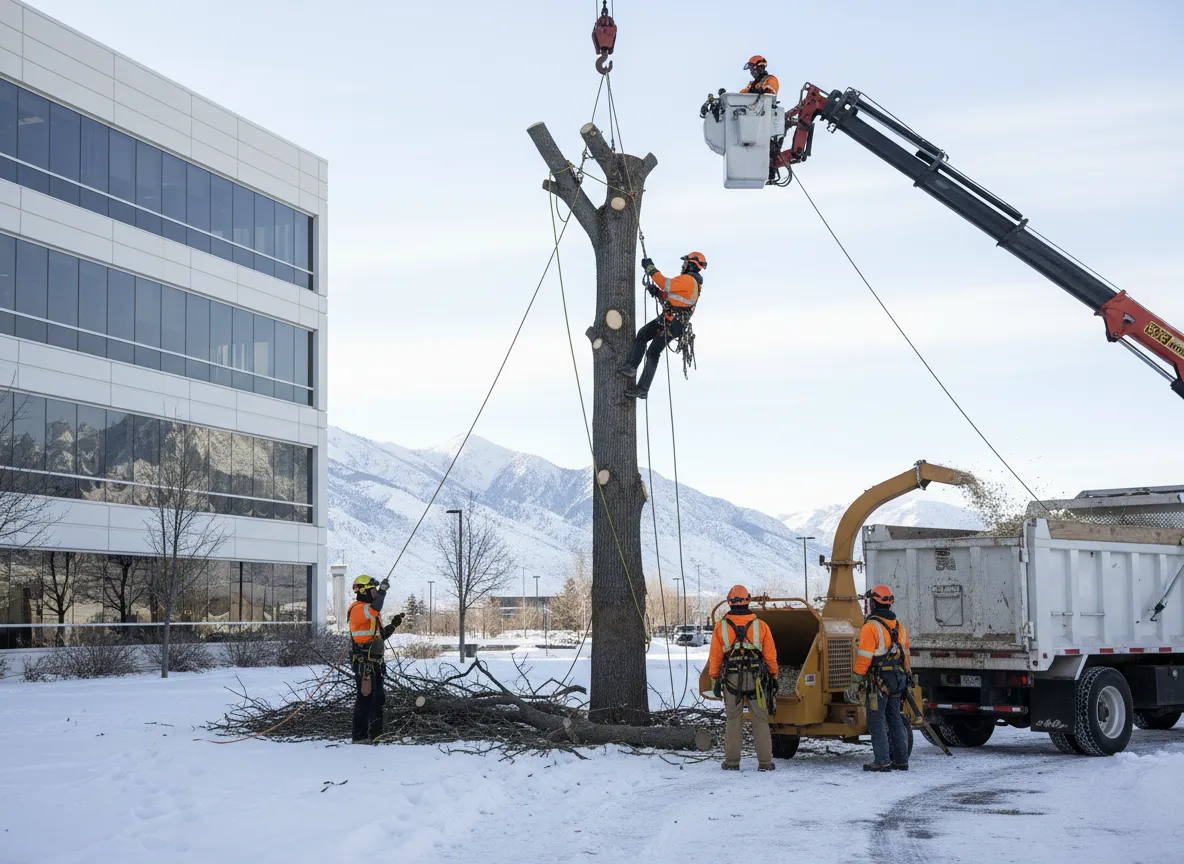
We serve cities, churches, schools, hospitals, property management companies, HOAs, and businesses throughout the region. Our certified arborists and fully insured team deliver professional tree removal, pruning, stump grinding, and root grinding services tailored to meet the unique needs of commercial properties.
Whether you manage a municipal facility, institutional campus, apartment complex, or retail property, we provide reliable, efficient service that protects your investment and maintains your landscape's health and safety. From emergency storm response to routine maintenance, Darrell's Tree Service combines certified expertise with competitive pricing to keep your commercial property looking its best. Contact us today for a free estimate and discover why Weber County, Davis County, Box Elder County, and Salt Lake County trust us leading organizations trust us with their tree care needs.
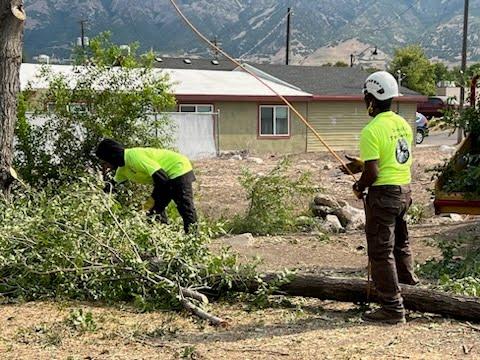
Residential Tree Service
Darrell's Tree Service is the trusted choice for residential tree care throughout Ogden, Layton, Salt Lake City, and surrounding Northern Utah communities. With over 40 years of local expertise, our certified arborists deliver professional tree removal, pruning, stump grinding, and root grinding services designed to protect your home and property. Whether you're dealing with storm damage, overgrown trees threatening your foundation, or routine maintenance to keep your landscape healthy and safe, our fully insured team provides reliable, efficient service at competitive prices.
We understand that your home is your most valuable investment, which is why we treat every residential project with the care and attention it deserves. From emergency 24/7 response to scheduled maintenance, Darrell's Tree Service combines certified expertise with transparent pricing and exceptional customer service. Contact us today for a free estimate and experience why homeowners from as far North as Logan and Tremonton to Salt Lake City and everything in between Northern Utah.
RECENT POSTS
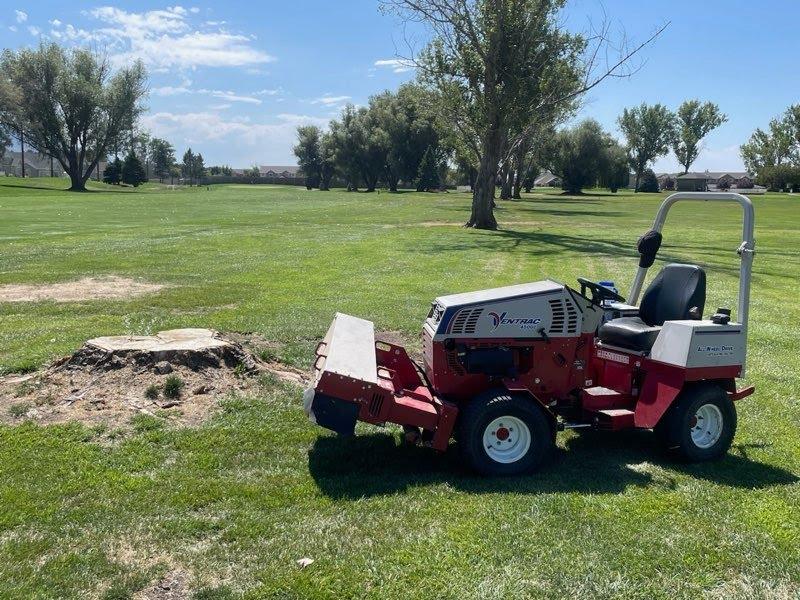
Layton Root Grinding (Utah): What’s Included, Pricing Factors, and Cleanup | Darrell’s Tree Service
Root grinding in Layton: the “invisible” problem that can become a real headache
If you’ve ever had a tree removed in Layton and thought, “Cool—problem solved,” only to keep tripping over roots, fighting a mower that won’t roll smoothly, or dealing with a patch of turf that just won’t grow back… you’re not alone. In Northern Utah, those leftover roots can hang around longer than you’d expect—especially with our freeze/thaw cycles, hot summers, and the way compacted soil behaves on commercial properties.
Root grinding is one of those services that brings real relief. It cleans up the mess you can’t always see, helps you reclaim usable space, and reduces the chance of future headaches—without tearing up your entire yard or landscape bed.
This guide breaks down what’s included in Layton root grinding in UT, what affects pricing, and what cleanup and backfill typically look like—so you can make a confident call for your property.
What “root grinding” actually means (and what it doesn’t)
Root grinding is the process of mechanically grinding exposed or near-surface roots into small wood chips using specialized equipment. It’s often done after tree removal, but it can also be done when surface roots are creating trip hazards, damaging turf, or interfering with landscaping.
A quick clarification:
- Root grinding focuses on roots that are accessible and causing issues near the surface.
- It does not mean removing every root from the ground (that’s usually unnecessary and can be extremely disruptive).
- It’s different from stump grinding, though the equipment and approach can overlap.
If you’re searching “Layton root grinding” because you’re dealing with roots after a removal, or roots that are lifting concrete or creating hazards, you’re in the right place.

What’s included in a professional root grinding service in Layton
Every property is a little different, but a typical root grinding service in Layton, Utah includes:
1. On-site assessment (and a plan that matches your goals)
We look at:
- Where the roots are located (turf, beds, parking strips, near sidewalks, near buildings)
- How extensive and thick they are
- Access for equipment (gates, slopes, tight commercial landscaping, parked cars)
- Nearby utilities and irrigation
- What you want the end result to be (smooth lawn, ready-to-plant bed, safer walkway, etc.)
If you’re managing a commercial property—HOA, church, retail center, office park—this step matters because the “right” solution is usually the one that minimizes disruption while still solving the safety and maintenance problem.
2. Protection of nearby structures and surfaces
In Layton and across Davis County, we see roots close to:
- Sidewalks and driveways
- Parking lot islands
- Fences and retaining walls
- Irrigation lines
- Decorative rock and edging
A good crew plans for containment and control so chips and debris don’t end up where they shouldn’t.
3. Grinding the roots to a practical depth
Most of the time, the goal is to grind roots down far enough that:
- You can mow without hitting them
- You can re-grade and restore the surface
- You can reduce trip hazards and exposed wood
Depth depends on what you’re doing afterward. If you want to re-sod or reseed, you may need a different approach than if you’re converting the area to rock, mulch, or a planting bed.
4. Cleanup (wood chips, loose debris, and a “finished” look)
Root grinding creates chips—basically shredded wood. Cleanup typically includes:
- Raking and leveling the grindings
- Removing excess chips if needed
- Leaving the area safe and tidy
We’ll talk more about cleanup and backfill below, because that’s one of the biggest questions people have when they search Layton root grinding in UT.
Why root grinding matters in Northern Utah (especially for commercial properties)
On paper, roots seem harmless. In real life, they can create expensive and annoying problems.
Trip hazards and liability
If you manage an HOA, church, or commercial site, exposed roots can become a liability issue—especially in winter when snow and ice hide uneven ground. One misstep on a raised root can turn into an injury claim fast.
Turf and irrigation problems
Surface roots compete with turf for water and nutrients. In our hot, dry stretches (and with water-wise irrigation schedules), grass over roots often thins out or dies. Then you’re stuck in a cycle of patching and reseeding.
Damage to hardscapes
Roots can push up:
- Sidewalk panels
- Concrete edging
- Pavers
- Asphalt cracks near landscape islands
Root grinding won’t “undo” lifted concrete, but it can be part of a plan to reduce ongoing root-related issues and prep the area for repair.
Pest and decay issues
Old, exposed roots can hold moisture and decay over time. That can attract insects and create soft spots in the landscape—especially in shaded areas where snow lingers.
Common situations where Layton root grinding makes sense
Here are a few real-world scenarios we see around Layton, South Weber, Clearfield, and the Wasatch Front:
- After tree removal: stump is gone, but roots remain near the surface.
- Parking strip roots: roots are lifting the grass strip between sidewalk and curb.
- Landscape island roots: roots are bulging in rock beds near businesses.
- Walkway and patio edges: roots are creating uneven transitions.
- Storm damage cleanup: a tree comes down, and the remaining root structure needs to be addressed.
If you’re not sure whether you need root grinding, stump grinding, or full removal, our team can walk you through options during a free estimate.
Pricing factors for root grinding in Layton, Utah
Let’s talk money—because “How much does root grinding cost?” is usually the next question.
Root grinding pricing isn’t one-size-fits-all. A few factors make the biggest difference:
1. Size and hardness of the roots
Thicker, older roots take longer and require more grinding passes. Some species also grind differently depending on density and moisture.
2. How far the roots spread
A single exposed root might be a quick fix. A web of surface roots across a large area (common with mature shade trees) is more involved.
3. Access to the work area
Access is a big deal in Layton neighborhoods and commercial sites.
- Tight gates
- Steep slopes
- Decorative rock beds
- Fenced yards
- Limited parking or staging space
Better access usually means faster work and lower labor time.
4. Proximity to utilities and irrigation
Grinding near:
- sprinkler lines
- valve boxes
- shallow utilities
- landscape lighting
…requires extra caution and sometimes a more careful, slower approach.
5. Cleanup expectations (haul-away vs. reuse)
Some property owners want chips removed completely. Others prefer to reuse chips as mulch in beds. Cleanup and haul-away can affect the final price.
6. What you want the area to look like afterward
If you want:
- a smooth, mow-ready lawn
- a planting-ready bed
- a re-graded surface for new sod
…that can change the scope. The “finish work” is often where the difference between “done” and “done right” shows up.
For an accurate number, the best move is a quick on-site look. If you’re in Layton or nearby, you can book a free estimate here: https://darrellstreeservices.com/appointment
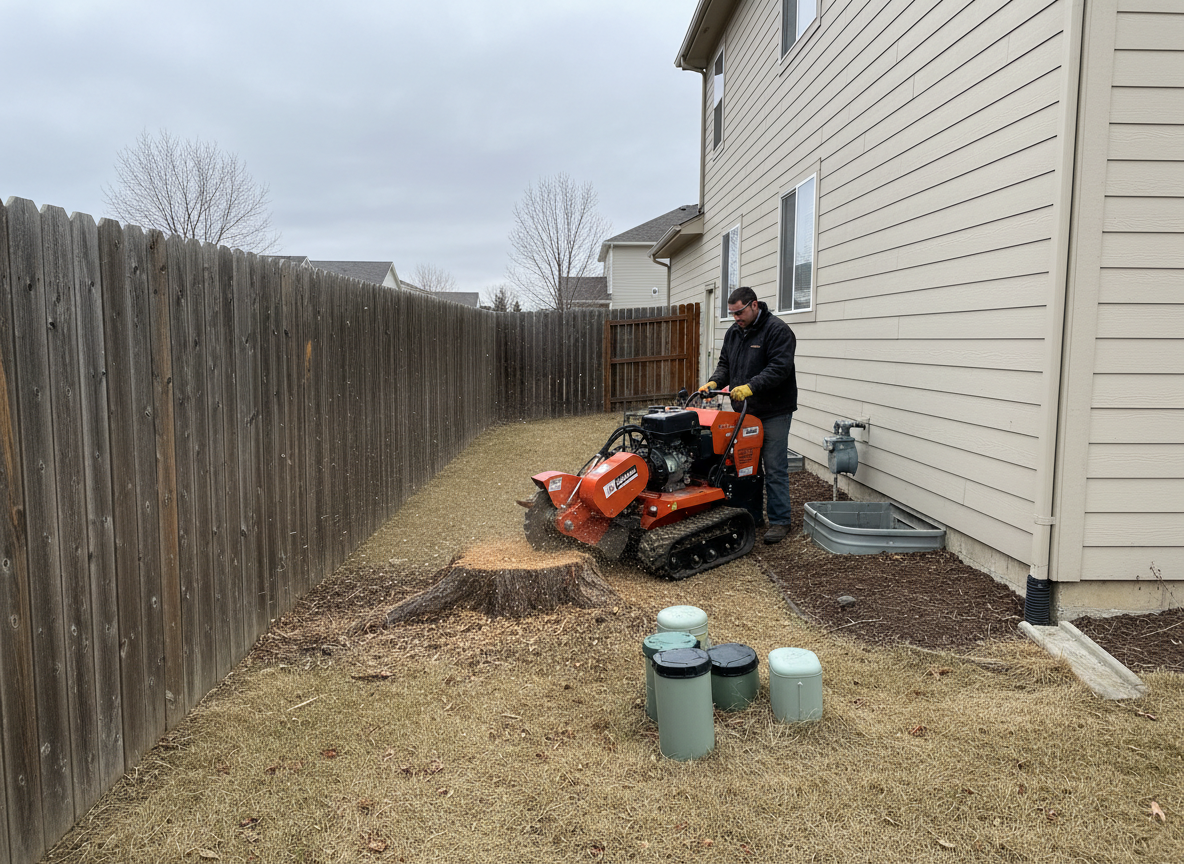
Cleanup and backfill: what typically happens after root grinding
This is where a lot of confusion comes from, so let’s make it simple.
What you’ll see immediately after grinding
Right after grinding, you’ll typically see:
- wood chips (from the ground roots)
- loose soil mixed with chips
- a slightly lowered area where material was ground out
That’s normal.
Can the wood chips stay?
Sometimes, yes—but it depends on the end goal.
Wood chips can be useful:
- as mulch in landscape beds
- to reduce weeds
- to help retain moisture
But for turf areas, too many chips mixed into the soil can cause:
- nitrogen tie-up (grass struggles)
- uneven settling
- a spongy surface
If your goal is a clean lawn finish, we typically recommend removing excess chips and bringing in clean topsoil for a better reset.
What “backfill” usually means
Backfill is simply restoring the area after grinding so it’s level and usable.
Typical backfill options:
- Topsoil (best for reseeding/sod)
- Soil + compost blend (sometimes helpful depending on conditions)
- Gravel base (if you’re converting to hardscape)
- Mulch/rock (if it’s a landscape bed)
We’ll recommend the option that matches your property use—especially for commercial sites where you want a durable, low-maintenance finish.
How long until the area is “normal” again?
It depends on what you do next:
- Rock/mulch beds: often same-day or next-day ready.
- Reseeding: plan for a few weeks to establish, longer in cold weather.
- Sod: faster visual result, but still needs watering and care.
In Northern Utah, timing matters. Freeze/thaw in late winter and early spring can cause settling, and summer heat can stress new grass if watering isn’t consistent.
Root grinding vs. stump grinding vs. full removal: which one do you need?
If you’re comparing services, here’s a simple breakdown:
Root grinding
Best when:
- roots are exposed or near-surface
- you want to reduce hazards and reclaim space
- you want less disruption than excavation
Stump grinding
Best when:
- the stump is the main issue
- you’re prepping for turf or landscaping
If you need this service too, see our stump grinding page: https://darrellstreeservices.com/stump-grinding
Full stump/root removal (excavation)
layton root grinding

Serving Ogden and Northern Utah with trusted, certified tree care since 1981.


