Darrell’s Tree Service
Trusted Residential and Commercial Tree Service for Northern Utah
Serving Ogden & The Wasatch Front Since 1981
Healthy Trees.
Happy Propertys.
Peace of Mind.
For over 40 years, Darrell’s Tree Service has been Northern Utah’s go-to team for expert tree care, removal, and landscape solutions. Our certified arborists combine deep local knowledge with professional training to keep your property safe, beautiful, and thriving, season after season.
Our Services
OUR SERVICES
Tree Removal &
Stump Services
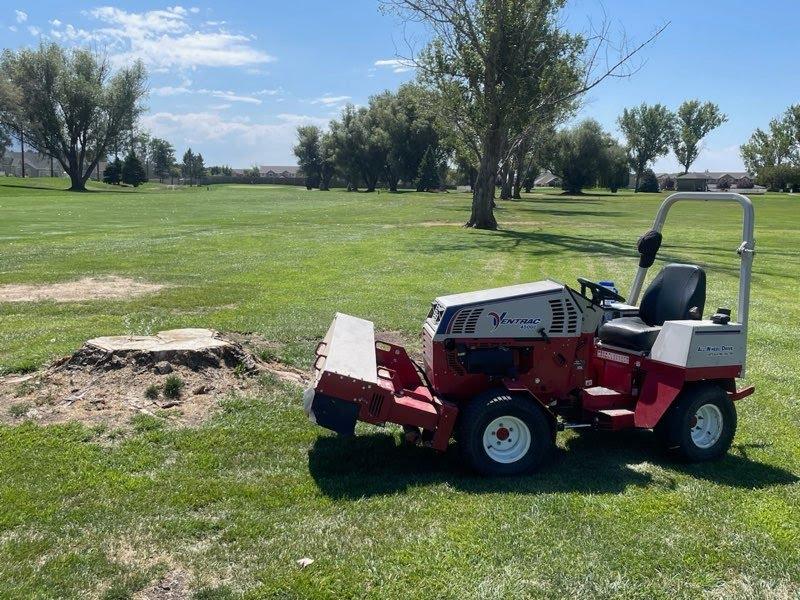
Tree Removal, Hazardous Tree Removal, Stump Grinding & Removal, Land Clearing.
Tree & Shrub Care
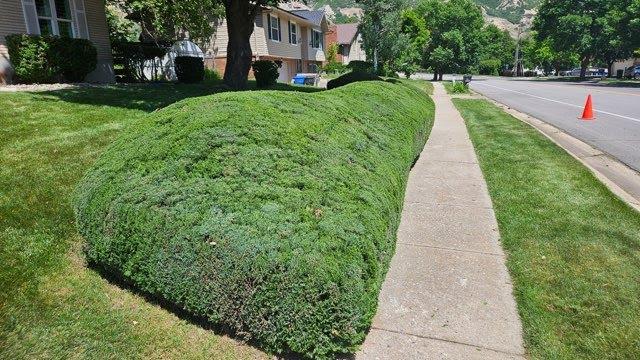
Trimming & Pruning, Shrub & Landscape Maintenance, Fertilization, Treatment
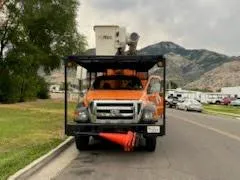
Emergency &
Storm Services
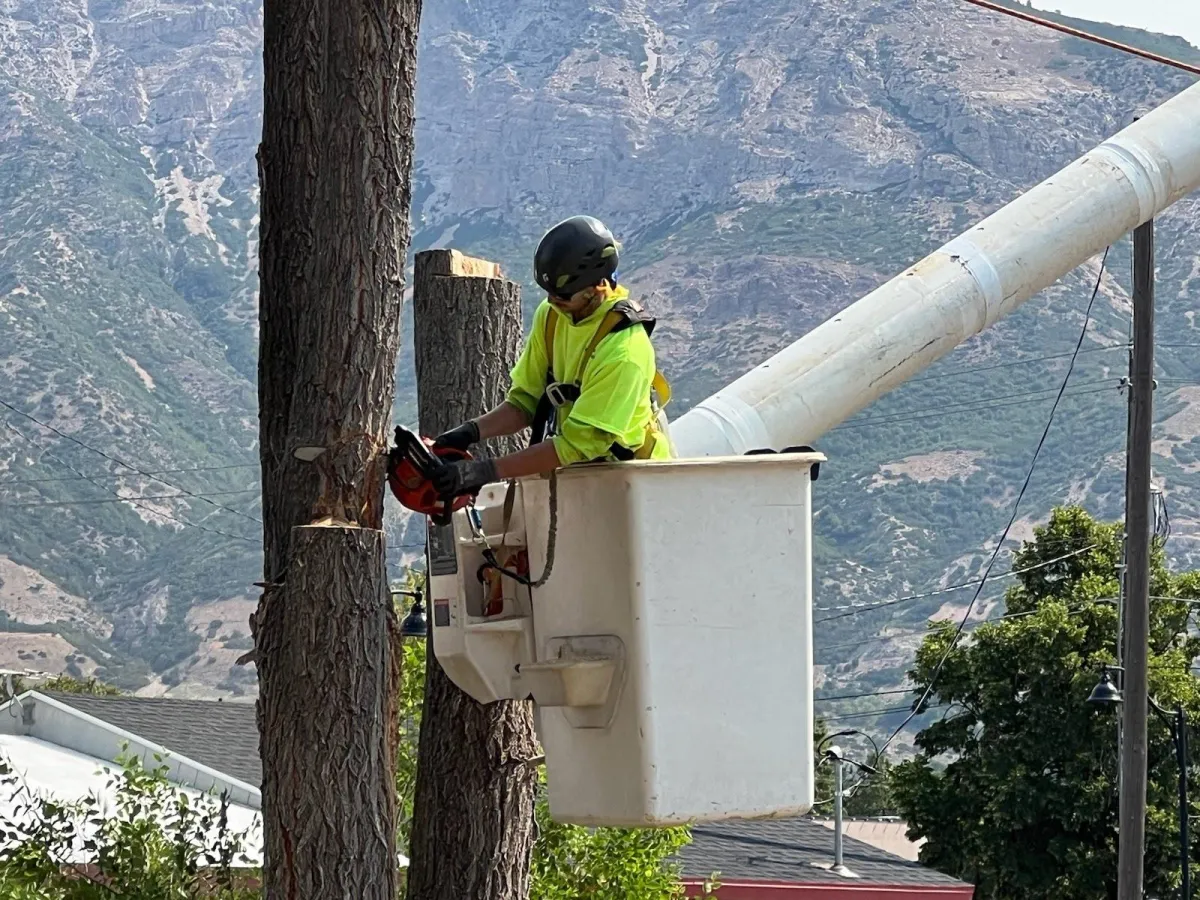
Emergency Tree Services, Storm Damage Response
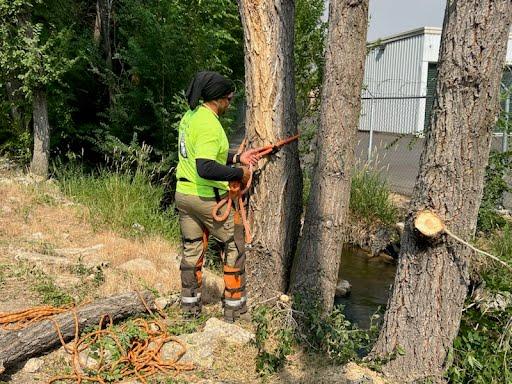
Tree Health & Structural Support
Diagnosis & Risk Management, Cabling, Bracing & Preservation
Why Choose Darrell’s?
Trusted, Local Tree Care Experts
Since 1981
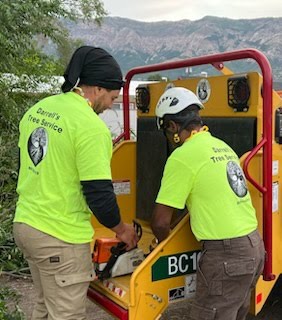
Here's what you get:
Locally Owned & Operated Since 1981
Certified, Experienced Arborists
Free, No-Obligation Estimates
Fully Licensed & Insured
Prompt, Thorough Cleanup, Every Job
4.6-Star Rated by Your Neighbors
Areas We Serve
CLIENT'S REVIEWS
WE HANDLE EVERYTHING FOR YOU
OVER
40
YEARS OF SERVICE
OVER
52,000
TREES TAKEN CARE OF
OVER
30
COMMUNITIES SERVED
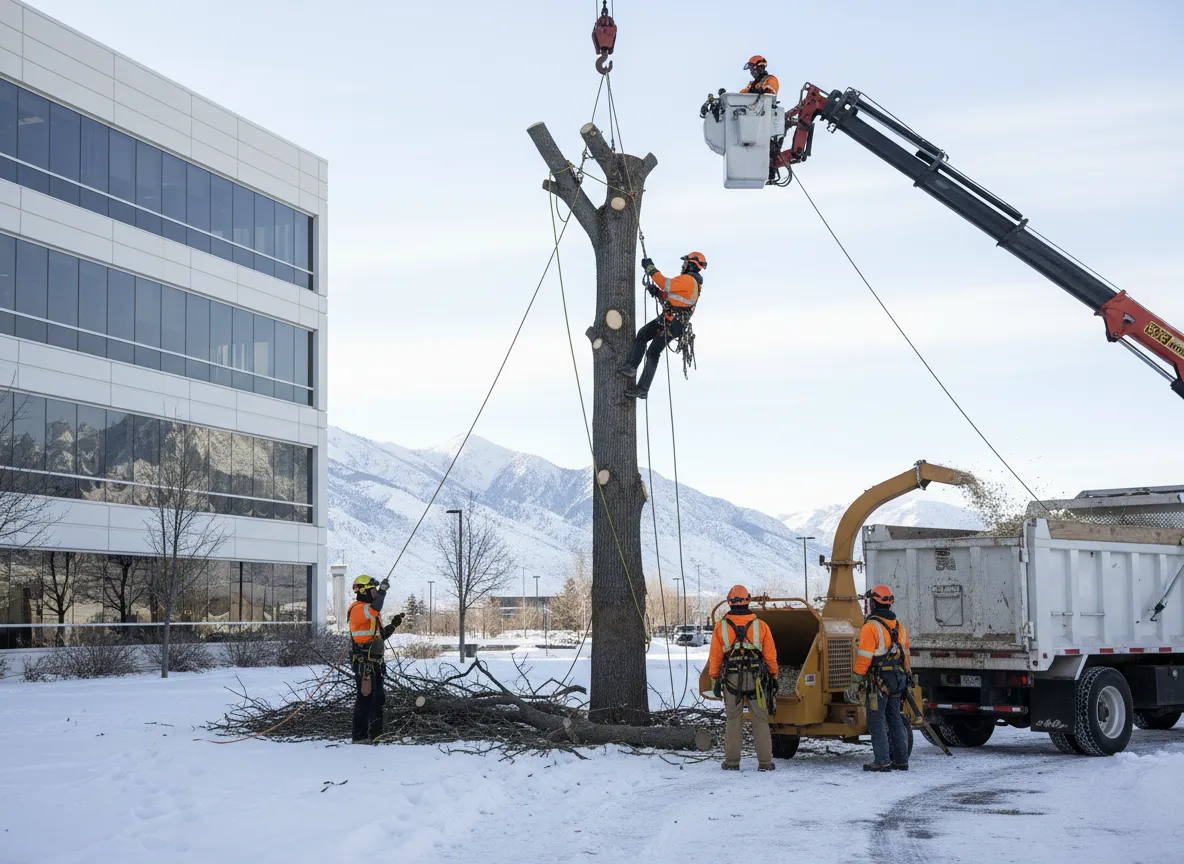
Commercial Tree Service
We serve cities, churches, schools, hospitals, property management companies, HOAs, and businesses throughout the region. Our certified arborists and fully insured team deliver professional tree removal, pruning, stump grinding, and root grinding services tailored to meet the unique needs of commercial properties.
Whether you manage a municipal facility, institutional campus, apartment complex, or retail property, we provide reliable, efficient service that protects your investment and maintains your landscape's health and safety. From emergency storm response to routine maintenance, Darrell's Tree Service combines certified expertise with competitive pricing to keep your commercial property looking its best. Contact us today for a free estimate and discover why Weber County, Davis County, Box Elder County, and Salt Lake County trust us leading organizations trust us with their tree care needs.
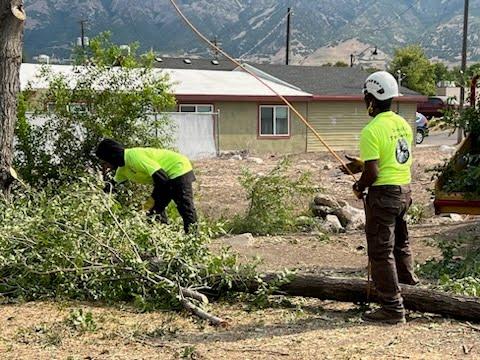
Residential Tree Service
Darrell's Tree Service is the trusted choice for residential tree care throughout Ogden, Layton, Salt Lake City, and surrounding Northern Utah communities. With over 40 years of local expertise, our certified arborists deliver professional tree removal, pruning, stump grinding, and root grinding services designed to protect your home and property. Whether you're dealing with storm damage, overgrown trees threatening your foundation, or routine maintenance to keep your landscape healthy and safe, our fully insured team provides reliable, efficient service at competitive prices.
We understand that your home is your most valuable investment, which is why we treat every residential project with the care and attention it deserves. From emergency 24/7 response to scheduled maintenance, Darrell's Tree Service combines certified expertise with transparent pricing and exceptional customer service. Contact us today for a free estimate and experience why homeowners from as far North as Logan and Tremonton to Salt Lake City and everything in between Northern Utah.
RECENT POSTS
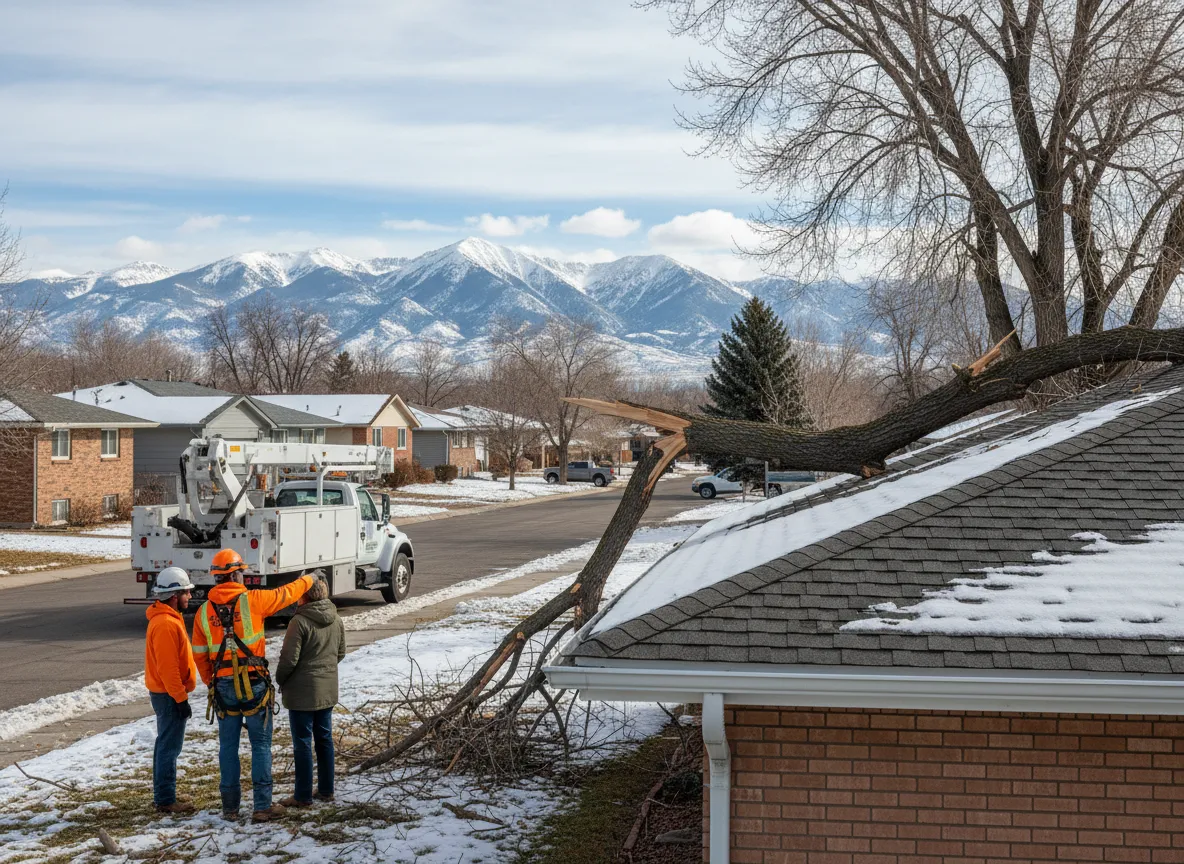
Storm Damage Tree Cleanup in Northern Utah: What to Do First (and What to Avoid) | Darrell’s Tree Service
When the storm passes, the real risk can start
A big Northern Utah windstorm or heavy, wet snow can turn a normal day into a mess fast—broken limbs across parking lots in Layton, a split trunk leaning over a fence in Ogden, or a downed tree blocking access for residents in an HOA in North Ogden. In that moment, most people want to jump in and “just get it handled.” Totally understandable.
But storm damage is one of those situations where the wrong first move can turn a cleanup job into a safety incident, property damage, or a much bigger tree problem later. This guide walks you through what to do first, what’s unsafe to DIY, and when it’s time to call a pro for storm damage tree cleanup in Northern Utah.
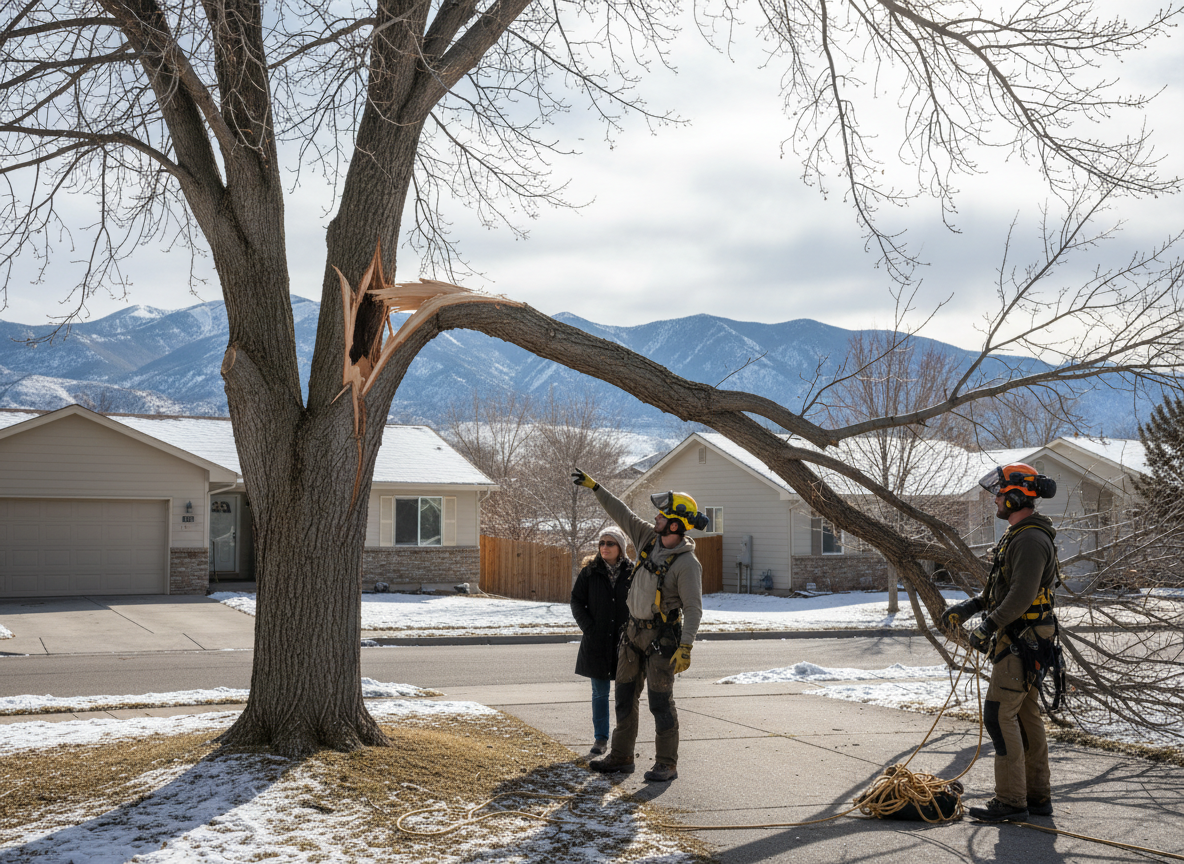
First things first: make the area safe (before you touch a branch)
Whether you manage a commercial property in Riverdale or you’re a homeowner in Pleasant View, your first priority is people—not the tree.
1) Check for immediate hazards
Look for:
- Downed or sagging power lines (or branches tangled in lines)
- Trees leaning toward buildings, vehicles, sidewalks, playgrounds, or streets
- Hanging limbs (“widowmakers”) caught overhead
- Cracked trunks or split crotches (where major limbs meet)
- Uprooted trees lifting soil (a sign the root plate is failing)
If you see power lines involved, treat it like an emergency. Keep everyone back and call the utility company. Don’t assume “it’s only a small line.”
2) Control access
For businesses, HOAs, churches, and property managers, this step is huge:
- Rope off the area with cones/tape
- Redirect foot traffic away from the canopy
- Keep residents, kids, and pets out of the drop zone
- Block off parking stalls under damaged limbs
A storm-damaged tree can fail hours—or days—after the weather clears, especially with Northern Utah freeze/thaw cycles and gusty follow-up winds.
3) Take quick photos (for documentation)
Before you move anything, take clear photos from multiple angles:
- The whole tree and surrounding area
- Close-ups of splits, cracks, and broken limbs
- Any damage to roofs, fences, vehicles, signage, or irrigation
This helps with insurance and also helps a certified arborist quickly assess what happened.
What to do in the first 24 hours (a practical checklist)
Here’s a simple, safe order of operations after storm damage.
Step 1: Prioritize access and critical paths
For commercial properties, the “must clear first” areas are usually:
- Entrances/exits
- Fire lanes
- ADA routes
- Parking lot drive lanes
- Dumpster enclosures and service access
- Sidewalks and community mail areas (for HOAs)
For residential properties, it’s typically:
- Driveways
- Walkways
- Garage access
- Areas near bedrooms or frequently used doors
Step 2: Do only the low-risk cleanup you can do safely
If it’s small debris on the ground—twigs, leaves, small branches—you can usually handle that with gloves and a rake.
If you’re using tools, keep it basic:
- Hand pruners for small branches
- A rake and tarp for debris
If you’re thinking chainsaw, ladder, or “I can just pull that down,” pause. That’s where storm cleanup gets dangerous.
Step 3: Get a professional assessment for anything overhead or structural
If the damage involves:
- A limb hanging overhead
- A trunk split
- A tree leaning
- A tree that hit a structure
- A tree near power lines
…you’re in “call a pro” territory. This is where a certified arborist and an insured crew matter.
If you’re in Ogden, Roy, Clinton, Clearfield, Sunset, South Weber, West Haven, Hooper, Farr West, Marriott-Slaterville, or Brigham City, Darrell’s Tree Service can assess the risk and recommend the safest next step.
What to avoid (even if you’re handy)
Storm damage makes trees unpredictable. Tension, compression, and hidden cracks can turn a “simple cut” into a sudden swing, kickback, or collapse.
Avoid #1: Cutting limbs that are under tension
A branch pinned under another limb, a trunk, or a fence can be “loaded” like a spring. When you cut it, it can:
- Snap upward
- Roll toward you
- Swing into a vehicle or window
Pros read the wood grain, the load, and the direction of force before making a cut.
Avoid #2: Using a ladder to cut overhead branches
This is one of the most common storm cleanup mistakes. A ladder + chainsaw + unstable limb is a bad combo.
If you need height, you need the right equipment and training—bucket trucks, climbing systems, rigging, and a crew that can control the drop.
Avoid #3: Parking or working under a damaged canopy
If you see cracked unions, hanging limbs, or a tree that “looks off,” keep vehicles and people away until it’s assessed.
Avoid #4: “Topping” or over-cutting to make the tree look even
After a storm, it’s tempting to cut everything back hard. But aggressive cutting can:
- Create weak regrowth
- Increase pest and disease risk
- Stress the tree when it’s already compromised
Proper pruning is about structure, not symmetry.
Avoid #5: Assuming the tree is fine because it’s still standing
Some of the most dangerous storm damage is internal:
- Hidden cracks
- Root damage
- Bark tearing
- Splits that widen over time
In Northern Utah, windstorms and heavy snow loads can create damage that shows up later—especially when the ground freezes and thaws.
Northern Utah storm damage: what makes it different here
Storm damage isn’t the same everywhere. Our local conditions matter.
Heavy, wet snow (and sudden dumps)
Northern Utah storms often bring dense snow that sticks to branches and loads the canopy. That weight can:
- Break long lateral limbs
- Split multi-stem trees
- Peel bark where limbs tear out
Wasatch Front windstorms
Gusty winds can twist canopies, especially on:
- Trees with dense crowns
- Trees with past poor pruning
- Trees with co-dominant stems (two leaders competing)
Freeze/thaw cycles
When temperatures bounce above and below freezing, cracks can expand, and damaged wood can deteriorate faster. That’s why “it survived the storm” isn’t always the end of the story.
Drought stress and irrigation patterns
Dry summers and inconsistent watering can weaken trees, making them more likely to fail during storms. Commercial properties with turf irrigation sometimes overwater near trunks or underwater root zones—both can create long-term issues.
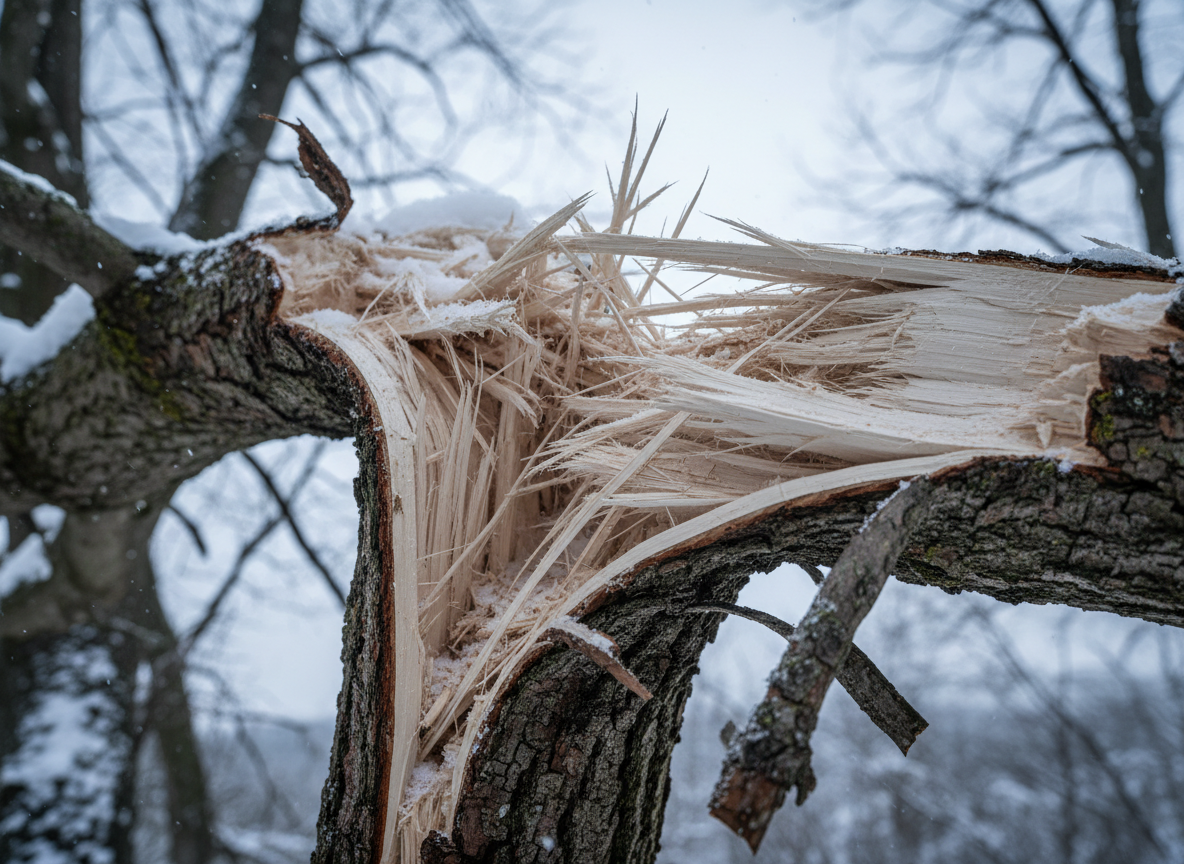
Common storm damage scenarios (and what they usually mean)
Here are a few real-world patterns we see during storm damage tree cleanup in Utah.
Scenario 1: Large limb down, trunk looks intact
Often a sign of:
- Overextended limbs
- Poor pruning history
- Internal decay at the attachment point
What to do:
- Clean up ground debris if safe
- Have the remaining canopy evaluated and pruned properly
If you need professional pruning, see our tree trimming and pruning service page: https://darrellstreeservices.com/tree-trimming
Scenario 2: Tree is leaning after wind or snow
Often a sign of:
- Root plate movement
- Soil saturation
- Compromised anchoring
What to do:
- Keep people away from the fall zone
- Get a hazard assessment
This can quickly become an emergency tree removal situation depending on the lean and targets. Learn more here: https://darrellstreeservices.com/emergency-tree-removal
Scenario 3: Split trunk or major crack
Often a sign of:
- Co-dominant stems
- Included bark
- Structural weakness that finally failed
What to do:
- Treat it as high risk
- Don’t try to “strap it” yourself
In some cases, cabling and bracing can help—if the tree is a good candidate and the structure is still viable. See: https://darrellstreeservices.com/tree-cabling-and-bracing
Scenario 4: Debris everywhere on a commercial site
Often a sign of:
- Multiple trees shedding deadwood
- Overdue maintenance pruning
- A property that needs a proactive risk plan
What to do:
- Clear access routes first
- Schedule a site-wide assessment and maintenance plan
For commercial properties, consistent maintenance is usually cheaper than repeated storm cleanups.
When to call Darrell’s Tree Service (and what we’ll do)
If you’re dealing with storm damage in Northern Utah, call us when:
- A tree or limb is blocking access
- Anything is hanging overhead
- A tree is leaning or uprooted
- You suspect structural damage
- You need fast, safe cleanup with thorough haul-off
When we show up, we focus on:
- Safety-first work zones
- Controlled rigging and safe removals
- Protecting roofs, fences, pavement, irrigation, and landscaping
- Thorough cleanup so your property is usable again
We’re fully licensed and insured, and we bring certified arborist expertise to help you decide what should be removed, what can be saved, and what needs monitoring.
If removal is the safest option, here’s our tree removal page: https://darrellstreeservices.com/tree-removal
If you’re left with a stump after storm cleanup, stump grinding is usually the next step: https://darrellstreeservices.com/stump-grinding
A quick “DIY vs Pro” guide (simple rule of thumb)
If it’s on the ground and you can lift it safely, DIY may be fine.
If it’s overhead, tangled, leaning, cracked, or near anything you don’t want crushed—call a pro.
That includes:
- Chainsaw work above shoulder height
- Anything requiring a ladder
- Anything near power lines
- Large limbs over structures
- Trees that partially failed and are still standing
How to reduce storm damage next time (especially for commercial sites)
Storm cleanup is reactive. The best properties also get proactive.
1) Schedule routine pruning
Proper pruning reduces:
- Overextended limbs
- Deadwood that becomes projectiles
- Wind sail effect in dense canopies
2) Address high-risk structure early
A certified arborist can spot:
- Co-dominant stems
- Included bark
- Weak unions
- Decay pockets
3) Watch for pest pressure
In Northern Utah, pine beetle issues can weaken trees and increase failure risk. If you suspect beetle activity, get it checked early.
Learn more about our pine beetle control services: https://darrellstreeservices.com/pine-beetle-control
4) Build a storm response plan (HOAs, churches, property managers)
A simple plan saves time when weather hits:
- Who approves emergency work?
- Who has keys/access?
- Where do crews stage?
- What areas get cleared first?
- Who communicates with residents/tenants?
If you manage multiple sites across the Wasatch Front, a consistent plan can prevent chaos after the next storm.
FAQs: storm damage tree cleanup in Northern Utah
Is it safe to leave a hanging branch until the weekend?
Usually, no. Hanging limbs can drop without warning—especially with wind, temperature swings, or additional snow. If it’s over a walkway, driveway, parking lot, or play area, treat it as urgent.
Can a storm-damaged tree be saved?
Sometimes. It depends on:
- How much of the canopy is lost
- Whether the trunk is split
- Whether roots shifted
- The species and overall health
An arborist assessment is the best way to make a confident call.
Will insurance cover storm damage tree removal?
It depends on the policy and what was damaged. Photos and documentation help. If a tree hit a structure, many policies treat that differently than a tree that simply fell in the yard.
How fast should I schedule cleanup?
As soon as you can—especially for commercial properties where access, liability, and tenant safety are on the line.
The bottom line: move fast, but don’t rush into danger
Storm damage is stressful. You’re trying to protect people, reopen access, and get your property back to normal. The safest approach is:
- Secure the area
- Document the damage
- Handle only low-risk debris
- Bring in a professional for anything overhead, leaning, or structural
If you’re in Ogden, Layton, Roy, Clearfield, Brigham City, or anywhere across Northern Utah and you want a safe, straightforward plan, we’re here.
Ready for help?
Schedule an estimate or consultation with Darrell’s Tree Service here: https://darrellstreeservices.com/appointment
We’ll help you get the cleanup handled safely—and give you honest guidance on what to remove, what to prune, and what can be saved.

Serving Ogden and Northern Utah with trusted, certified tree care since 1981.
