Darrell’s Tree Service
Trusted Residential and Commercial Tree Service for Northern Utah
Serving Ogden & The Wasatch Front Since 1981
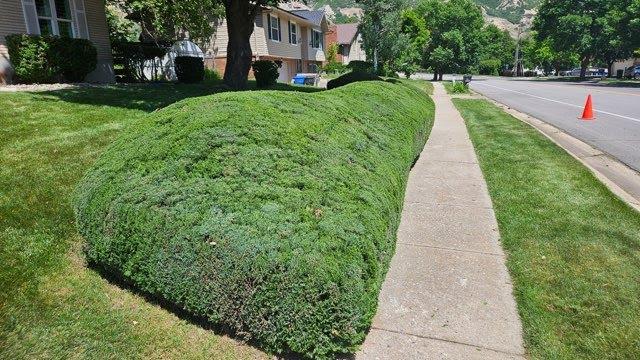
Healthy Trees.
Happy Propertys.
Peace of Mind.
For over 40 years, Darrell’s Tree Service has been Northern Utah’s go-to team for expert tree care, removal, and landscape solutions. Our certified arborists combine deep local knowledge with professional training to keep your property safe, beautiful, and thriving, season after season.
Our Services
OUR SERVICES
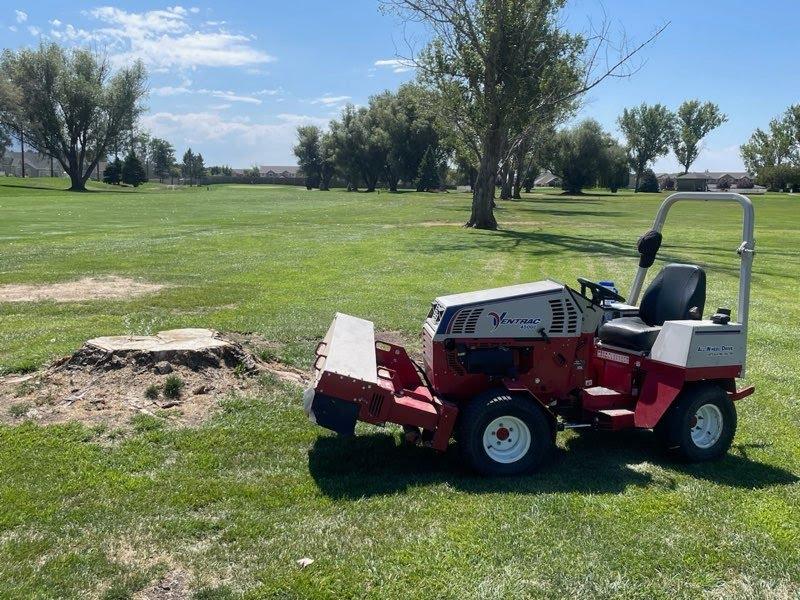
Tree Removal &
Stump Services
Tree Removal, Hazardous Tree Removal, Stump Grinding & Removal, Land Clearing.
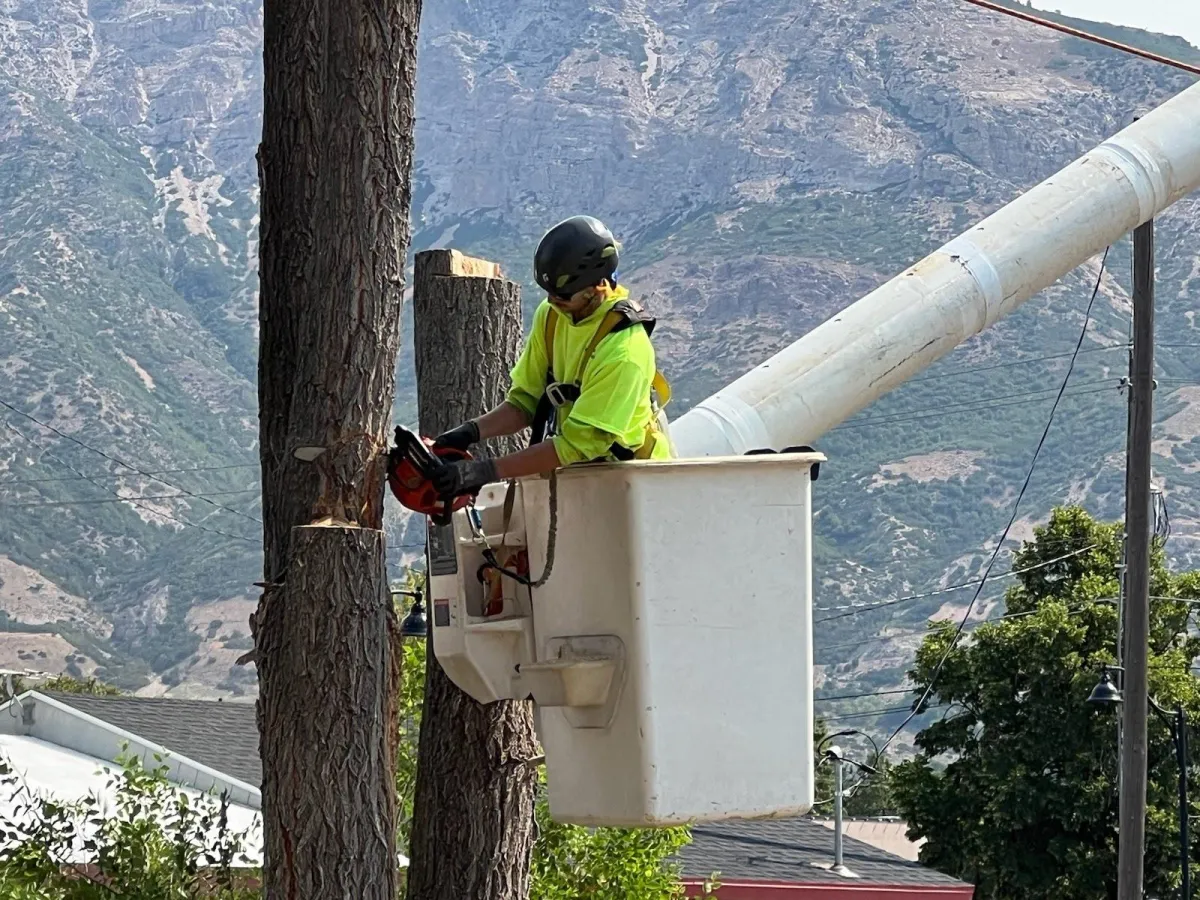
Tree & Shrub Care
Trimming & Pruning, Shrub & Landscape Maintenance, Fertilization, Treatment
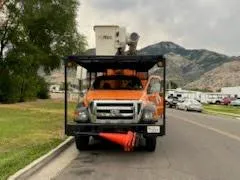
Emergency &
Storm Services
Emergency Tree Services, Storm Damage Response
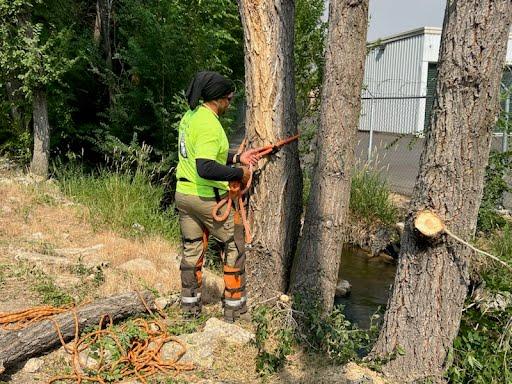
Tree Health & Structural Support
Diagnosis & Risk Management, Cabling, Bracing & Preservation
Why Choose Darrell’s?
Trusted, Local Tree Care Experts
Since 1981
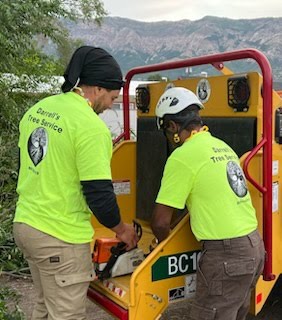
Here's what you get:
Locally Owned & Operated Since 1981
Certified, Experienced Arborists
Free, No-Obligation Estimates
Fully Licensed & Insured
Prompt, Thorough Cleanup, Every Job
4.6-Star Rated by Your Neighbors
Areas We Serve
CLIENT'S REVIEWS
WE HANDLE EVERYTHING FOR YOU
OVER
40
YEARS OF SERVICE
OVER
52,000
TREES TAKEN CARE OF
OVER
30
COMMUNITIES SERVED
Commercial Tree Service
We serve cities, churches, schools, hospitals, property management companies, HOAs, and businesses throughout the region. Our certified arborists and fully insured team deliver professional tree removal, pruning, stump grinding, and root grinding services tailored to meet the unique needs of commercial properties.
Whether you manage a municipal facility, institutional campus, apartment complex, or retail property, we provide reliable, efficient service that protects your investment and maintains your landscape's health and safety. From emergency storm response to routine maintenance, Darrell's Tree Service combines certified expertise with competitive pricing to keep your commercial property looking its best. Contact us today for a free estimate and discover why Weber County, Davis County, Box Elder County, and Salt Lake County trust us leading organizations trust us with their tree care needs.
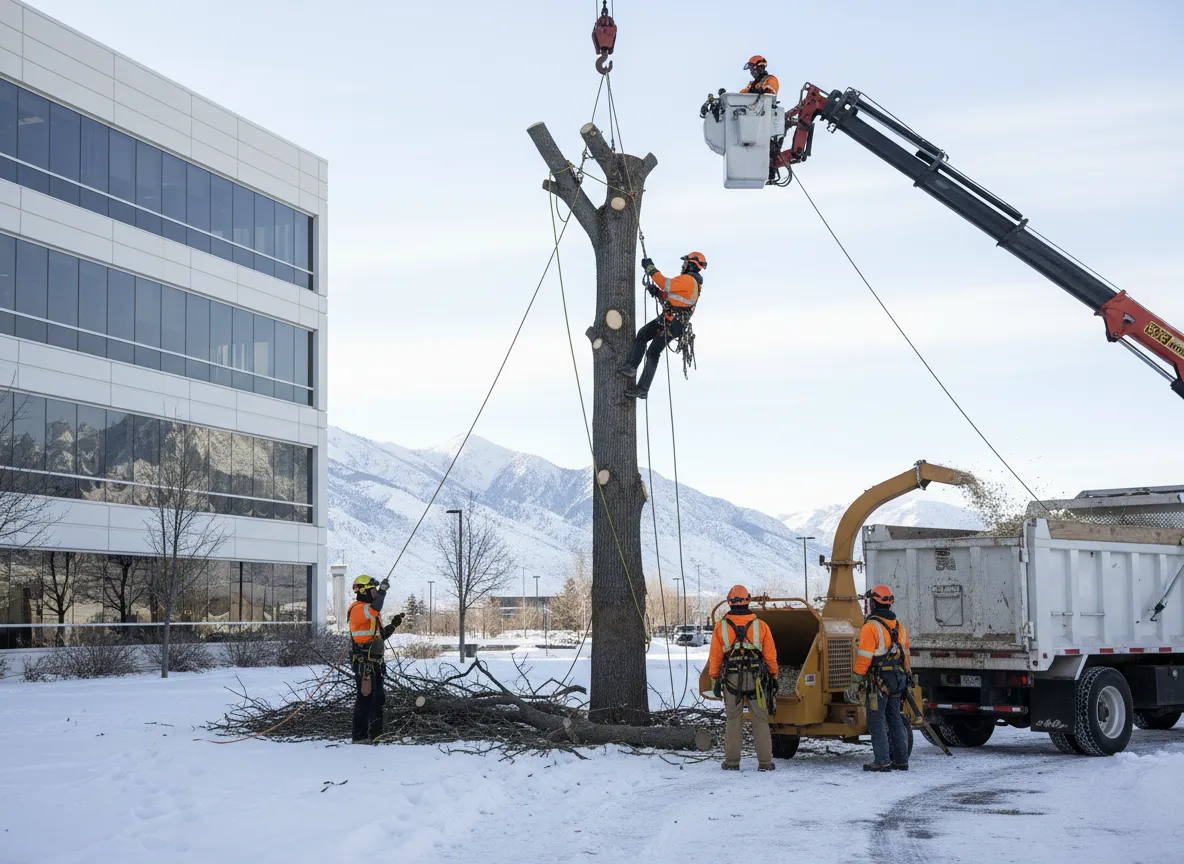
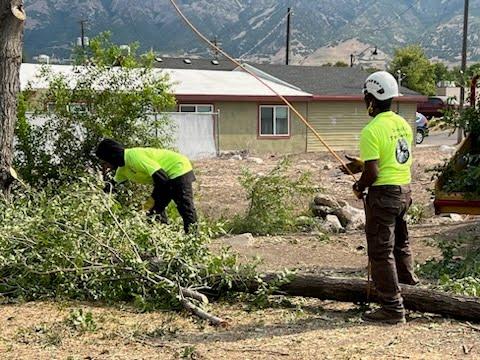
Residential Tree Service
Darrell's Tree Service is the trusted choice for residential tree care throughout Ogden, Layton, Salt Lake City, and surrounding Northern Utah communities. With over 40 years of local expertise, our certified arborists deliver professional tree removal, pruning, stump grinding, and root grinding services designed to protect your home and property. Whether you're dealing with storm damage, overgrown trees threatening your foundation, or routine maintenance to keep your landscape healthy and safe, our fully insured team provides reliable, efficient service at competitive prices.
We understand that your home is your most valuable investment, which is why we treat every residential project with the care and attention it deserves. From emergency 24/7 response to scheduled maintenance, Darrell's Tree Service combines certified expertise with transparent pricing and exceptional customer service. Contact us today for a free estimate and experience why homeowners from as far North as Logan and Tremonton to Salt Lake City and everything in between Northern Utah.
RECENT POSTS

Tree Falling Cost in Utah: When Felling Works (and When It Doesn’t) | Darrell’s Tree Service
Ogden winters can be rough on trees—and on the people who have to park, walk, and work under them. If you manage a commercial property, an HOA, or even a busy church lot, a leaning cottonwood or a storm-broken limb isn’t just “yard stuff.” It’s a safety issue, a liability issue, and a “how fast can we fix this without making it worse?” issue. And when you start looking into tree falling cost in Utah, the first surprise is this: sometimes a tree can be felled cleanly in one piece… and sometimes it absolutely shouldn’t be.
What “tree falling” actually means (and why it matters for cost)
When people say “tree falling,” they usually mean felling—cutting a tree at the base so it falls to the ground in a controlled direction.
Felling can be a great option when:
- There’s enough open space for the full height of the tree to land safely
- The tree is structurally sound enough to behave predictably
- The ground conditions allow stable footing and equipment access
But in Northern Utah—especially in tighter commercial lots in Layton, Riverdale, Roy, and Ogden—trees are often surrounded by:
- Buildings and storefronts
- Parking lots full of vehicles
- Fences, signage, and lighting
- Power lines and overhead utilities
- Sidewalks, playgrounds, and high-traffic areas
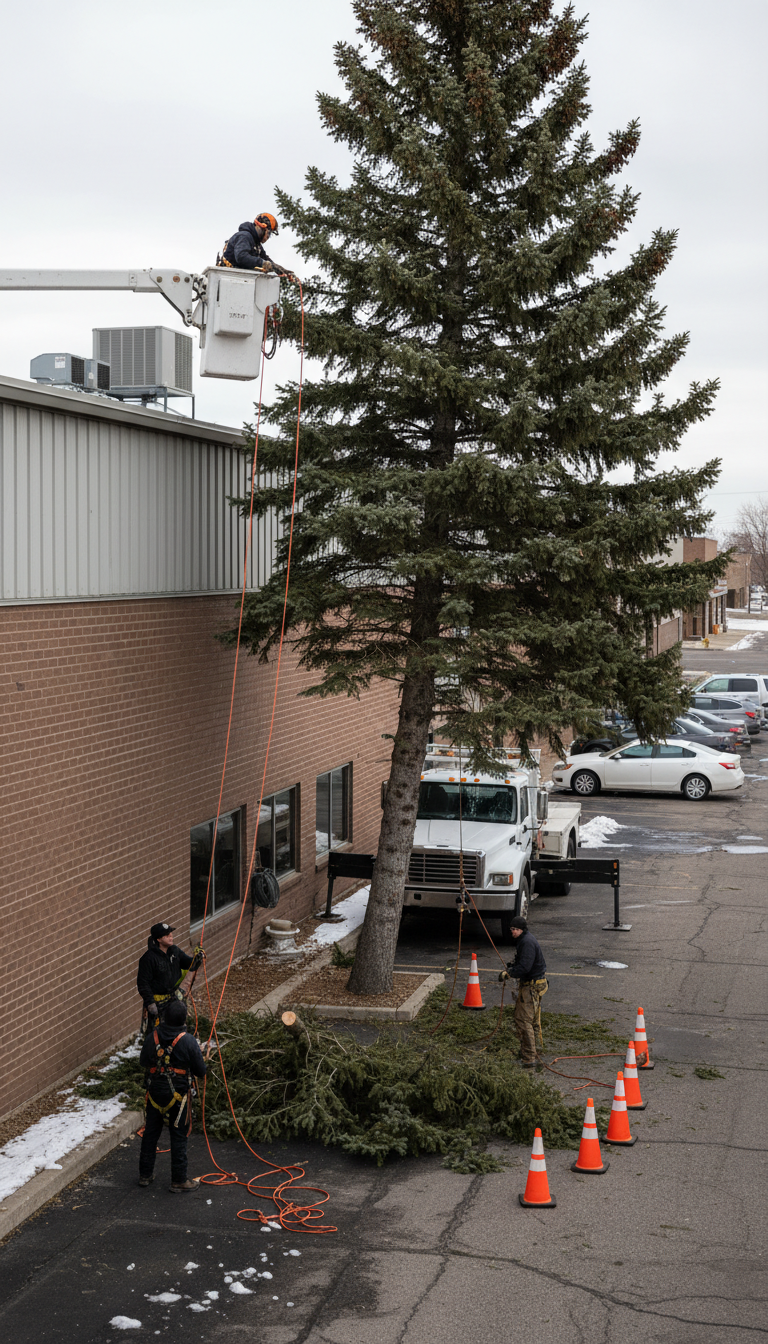
When space is limited or the risk is high, the safer approach is usually dismantling (also called sectional removal): taking the tree down in pieces using rigging, lifts, or climbing techniques.
That difference—fell vs. dismantle—is one of the biggest drivers behind tree falling cost in UT.
Tree falling cost in Utah: the honest answer (and what pricing is really based on)
If you’ve searched for tree falling cost in Utah, you’ve probably seen wide ranges. That’s not contractors being vague—it’s because tree removal is priced based on risk, complexity, and time, not just “tree = X dollars.”
Here are the real factors that shape the price.
1) Can the tree be felled safely, or does it need to be dismantled?
This is the big one.
Felling (one-piece fall) is often faster and requires less specialized rigging.
Dismantling takes longer and requires more control—especially near structures, power lines, or pedestrian areas. For commercial properties, the added safety measures are usually worth it.
If you’re managing an HOA in Pleasant View or a retail center in Clearfield, the goal isn’t “cheapest possible.” It’s safe, controlled, insured, and clean.
2) Tree size and species (cottonwood vs. pine vs. maple)
Northern Utah has a mix of common trees—cottonwoods, maples, ash, elm, spruce, and various pines.
- Large cottonwoods can be heavy, brittle, and unpredictable—especially if they’ve been stressed by drought or have internal decay.
- Conifers (spruce/pine) can be tall and narrow, and they catch wind differently.
- Hardwoods can be dense and heavy, which affects rigging and hauling.
Bigger trees generally mean more labor, more cutting, more cleanup, and more hauling.
3) Access: can we get equipment close?
Access is a pricing factor that surprises a lot of property managers.
If we can back a truck in, stage safely, and use equipment efficiently, costs are typically lower.
If access is limited—tight courtyards, fenced areas, steep slopes, or soft ground after snowmelt—removal can take longer and require different methods.
4) Hazards: power lines, buildings, traffic, and public safety
Commercial sites come with extra considerations:
- Coordinating around business hours
- Protecting customer parking
- Controlling drop zones and pedestrian paths
- Working near utilities
If a tree is near a power line, we may recommend a more controlled approach and, in some cases, coordination with the utility provider.
5) Tree condition: dead, storm-damaged, split, or leaning
A dead or compromised tree can behave unpredictably.
In Northern Utah, we see a lot of stress from:
- Heavy snow loading
- Windstorms coming down the Wasatch Front
- Freeze/thaw cycles that expand cracks
- Drought stress that weakens root systems
A tree that looks “fine” from the street can still have internal rot, a compromised trunk, or root plate movement.
If the tree is unsafe to climb or too unstable to fell, the plan changes—and so does the cost.
6) Cleanup and haul-off expectations
Some bids include:
- Full debris haul-off
- Wood chipping
- Log removal
- Raking/blowing and final cleanup
Others don’t.
For commercial properties (and frankly, most homeowners), a thorough cleanup isn’t optional—it’s part of doing the job professionally.
If you also need the stump addressed, that’s typically separate (more on that below).
When felling works (the “best case” scenario)
Felling is often the right call when all of these are true:
- There’s a clear landing zone equal to the tree’s height
- No overhead hazards (power lines, rooflines, lights)
- The tree is stable enough to cut safely
- The ground is solid and not overly sloped
- The surrounding area can be secured during the drop
You’ll often see good felling opportunities in:
- Open lots
- Larger residential yards in Farr West or Hooper
- Some municipal or school properties with open green space
When felling works, it can be efficient, controlled, and cost-effective.
When felling doesn’t work (and dismantling is the safer option)
If any of the following are true, felling may not be the right move:
The tree is too close to structures
If a tree is within striking distance of:
- Buildings
- Fences
- HVAC units
- Signs and lighting
- Parked vehicles
…then dismantling is usually the safest approach.
The tree has a heavy lean or poor structure
Leaning trees can be tricky. A lean changes the center of gravity and can make the fall direction harder to control.
If the tree is also cracked, split, or hollow, felling becomes even riskier.
The tree is storm-damaged
After a storm, trees can have:
- Hanging limbs (“widowmakers”)
- Split trunks
- Partially uprooted root plates
In these cases, the safest plan often involves controlled removal and sometimes emergency work.
If you’re dealing with storm damage cleanup, our emergency services page is a good place to start: https://darrellstreeservices.com/emergency-tree-removal

The tree is near power lines
This is non-negotiable: trees and power lines are a dangerous combination.
If a tree is close to overhead utilities, we’ll assess the safest method and may recommend sectional removal to control every piece.
A quick safety note for businesses and property managers
If you’re responsible for a commercial site, you’re also responsible for:
- Tenant and visitor safety
- Slip/trip hazards from debris
- Vehicle damage risk
- Liability exposure
The “right” plan is the one that reduces risk—not the one that cuts corners.
Darrell’s Tree Service is fully licensed and insured, and we approach removals with a safety-first mindset. If you need a crew that can work around busy properties and leave the site clean, that’s exactly what we do.
What’s included in a professional tree falling/removal estimate?
A good estimate should be more than a number. It should explain the plan.
When we quote a job, we’re looking at:
- The safest removal method (fell vs. dismantle)
- Equipment needs (bucket truck, rigging, chipper)
- Crew size and time on site
- Protection for structures and landscaping
- Cleanup scope and haul-off
If you’re comparing bids, make sure you’re comparing the same scope.
How stump grinding affects overall cost
Tree removal and stump removal are often priced separately.
If you want the stump gone (for safety, mowing, replanting, or aesthetics), stump grinding is usually the most practical option.
Learn more here: https://darrellstreeservices.com/stump-grinding
Northern Utah factors that can change the plan (and the price)
Tree work isn’t one-size-fits-all, and Northern Utah has some unique challenges.
Snow load and winter breakage
Heavy snow can:
- Snap limbs
- Split weak crotches
- Expose structural issues you couldn’t see in summer
If you manage a property in North Ogden or Pleasant View, winter is often when “fine yesterday” becomes “urgent today.”
Windstorms and exposed sites
Open commercial lots and ridgelines can see stronger gusts. Wind-damaged trees can be unstable, and that affects how we approach removal.
Freeze/thaw and soil movement
Freeze/thaw cycles can loosen soil and stress roots. That’s one reason we take hazard assessments seriously—especially for trees near sidewalks, parking stalls, and entrances.
If you’re unsure whether a tree is a hazard, an assessment is a smart first step: https://darrellstreeservices.com/tree-risk-assessment
“Can you just top it?” (and other common questions)
Can you reduce the tree instead of removing it?
Sometimes, yes. If the tree is healthy and the issue is clearance, weight reduction, or deadwood, pruning may solve the problem.
Tree trimming and pruning can reduce risk and extend tree life—especially for properties that want to keep shade and curb appeal.
Learn more: https://darrellstreeservices.com/tree-trimming
Is it cheaper if I keep the wood?
Sometimes it can reduce haul-off time, but it depends on the job. On commercial sites, leaving logs isn’t always practical.
How fast can you do it?
Timing depends on urgency, site access, and weather. For hazardous situations, we prioritize safety and fast response.
What you can do right now to keep costs reasonable
If you’re trying to manage tree falling cost in UT proactively (instead of reactively), here are a few practical moves:
- Schedule pruning before storms hit. Reducing weight and removing weak limbs can prevent expensive emergency removals.
- Don’t ignore small warning signs. Cracks, mushrooms at the base, sudden leaning, or dead sections are worth a professional look.
- Plan removals during calmer seasons when possible. Emergency work is often more complex.Back to Blog

Serving Ogden and Northern Utah with trusted, certified tree care since 1981.


