Darrell’s Tree Service
Trusted Residential and Commercial Tree Service for Northern Utah
Serving Ogden & The Wasatch Front Since 1981
Healthy Trees.
Happy Propertys.
Peace of Mind.
For over 40 years, Darrell’s Tree Service has been Northern Utah’s go-to team for expert tree care, removal, and landscape solutions. Our certified arborists combine deep local knowledge with professional training to keep your property safe, beautiful, and thriving, season after season.
Our Services
OUR SERVICES
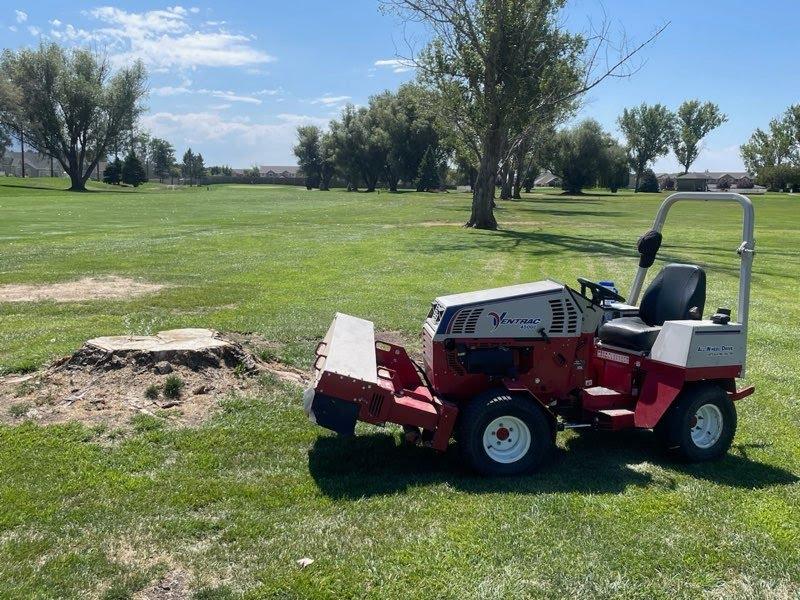
Tree Removal &
Stump Services
Tree Removal, Hazardous Tree Removal, Stump Grinding & Removal, Land Clearing.
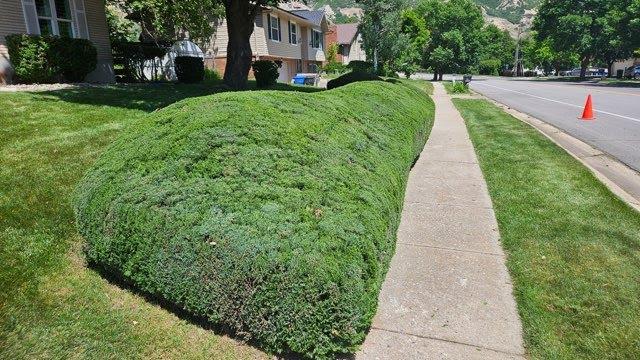
Tree & Shrub Care
Trimming & Pruning, Shrub & Landscape Maintenance, Fertilization, Treatment
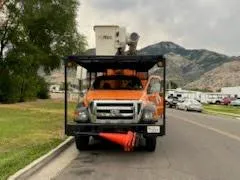
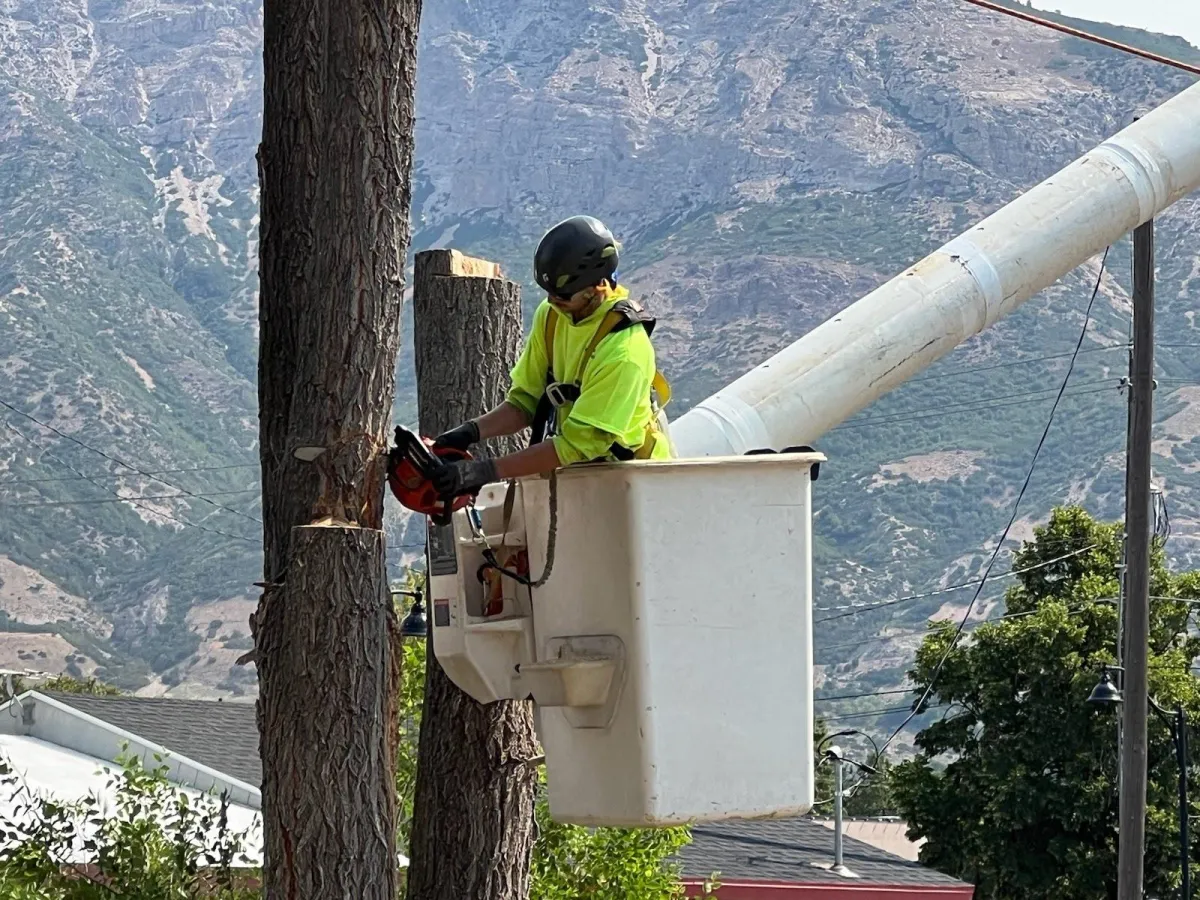
Emergency &
Storm Services
Emergency Tree Services, Storm Damage Response
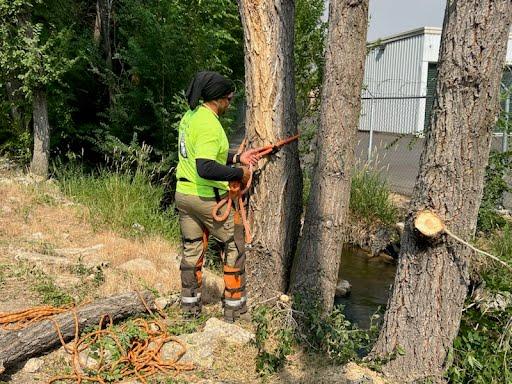
Tree Health & Structural Support
Diagnosis & Risk Management, Cabling, Bracing & Preservation
Why Choose Darrell’s?
Trusted, Local Tree Care Experts
Since 1981
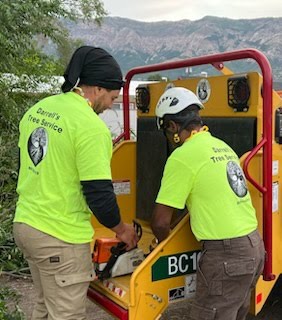
Here's what you get:
Locally Owned & Operated Since 1981
Certified, Experienced Arborists
Free, No-Obligation Estimates
Fully Licensed & Insured
Prompt, Thorough Cleanup, Every Job
4.6-Star Rated by Your Neighbors
Areas We Serve
CLIENT'S REVIEWS
WE HANDLE EVERYTHING FOR YOU
OVER
40
YEARS OF SERVICE
OVER
52,000
TREES TAKEN CARE OF
OVER
30
COMMUNITIES SERVED
Commercial Tree Service
We serve cities, churches, schools, hospitals, property management companies, HOAs, and businesses throughout the region. Our certified arborists and fully insured team deliver professional tree removal, pruning, stump grinding, and root grinding services tailored to meet the unique needs of commercial properties.
Whether you manage a municipal facility, institutional campus, apartment complex, or retail property, we provide reliable, efficient service that protects your investment and maintains your landscape's health and safety. From emergency storm response to routine maintenance, Darrell's Tree Service combines certified expertise with competitive pricing to keep your commercial property looking its best. Contact us today for a free estimate and discover why Weber County, Davis County, Box Elder County, and Salt Lake County trust us leading organizations trust us with their tree care needs.
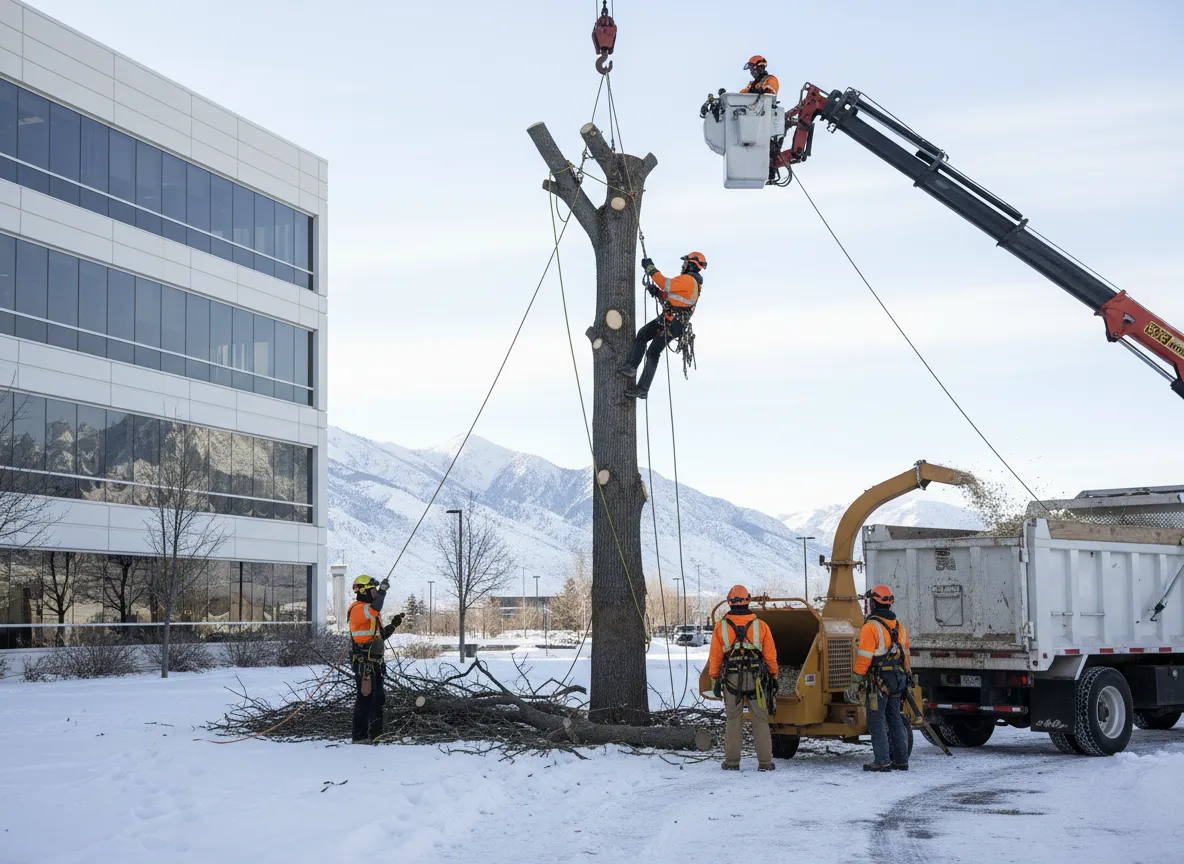
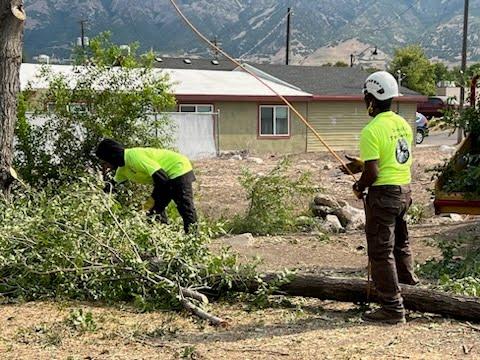
Residential Tree Service
Darrell's Tree Service is the trusted choice for residential tree care throughout Ogden, Layton, Salt Lake City, and surrounding Northern Utah communities. With over 40 years of local expertise, our certified arborists deliver professional tree removal, pruning, stump grinding, and root grinding services designed to protect your home and property. Whether you're dealing with storm damage, overgrown trees threatening your foundation, or routine maintenance to keep your landscape healthy and safe, our fully insured team provides reliable, efficient service at competitive prices.
We understand that your home is your most valuable investment, which is why we treat every residential project with the care and attention it deserves. From emergency 24/7 response to scheduled maintenance, Darrell's Tree Service combines certified expertise with transparent pricing and exceptional customer service. Contact us today for a free estimate and experience why homeowners from as far North as Logan and Tremonton to Salt Lake City and everything in between Northern Utah.
RECENT POSTS
Cost to Take Down a Tree in Utah: A Homeowner’s Guide to Pricing and Safety | Darrell’s Tree Service
What it really costs to take down a tree in Northern Utah
If you’ve got a big tree leaning toward your roof in Ogden, or a cottonwood dropping limbs over a parking lot in Layton, the first thought is usually the same: “How much is this going to cost… and how fast can we make it safe?”
You’re not alone. The cost to take down a tree in Utah can feel hard to pin down because every property (and every tree) comes with its own risks—tight access, power lines, frozen ground, heavy snow load, and cleanup needs. The good news: once you understand what drives pricing, you can make a smart decision, avoid unsafe DIY removal, and get a clear estimate without surprises.

Quick answer: what’s the cost to take down a tree in Utah?
Tree removal pricing in Utah is usually based on risk + access + complexity + cleanup. In Northern Utah (Ogden, North Ogden, Pleasant View, Harrisville, Riverdale, Roy, Clinton, Clearfield, Sunset, Layton, South Weber, West Haven, Hooper, Farr West, Marriott-Slaterville, Brigham City), the biggest cost drivers tend to be:
- How close the tree is to a home, fence, garage, or structure
- Whether it’s near power lines or overhanging a road/driveway
- How hard it is to get equipment to the tree (tight gates, steep slopes, soft yards)
- Whether the tree must be removed in pieces (rigging and controlled lowering)
- How much material needs to be hauled away
If you want the most accurate number for your property, the fastest path is a quick on-site look. You can book that here: Schedule an appointment.
The biggest factors that affect tree removal pricing in Utah
When someone asks, “What’s the cost to take down a tree?” what they’re really asking is, “How risky is this job, and how much time and equipment will it take to do it safely?” Here’s what typically moves the price up or down.
1) Tree size (but size isn’t everything)
Yes—bigger trees generally cost more. More wood means more cutting, more lowering, more hauling, and more cleanup.
But size alone doesn’t tell the full story. A medium tree wedged between two homes can be more complex than a large tree in an open yard.
2) Risk level: what happens if something goes wrong?
This is the one most homeowners and property managers don’t think about until they see a crew work.
A tree removal is priced partly on what’s at stake:
- Rooflines, gutters, solar panels
- Fences and sheds
- Vehicles and driveways
- Sidewalks and public areas
- Power lines and service drops
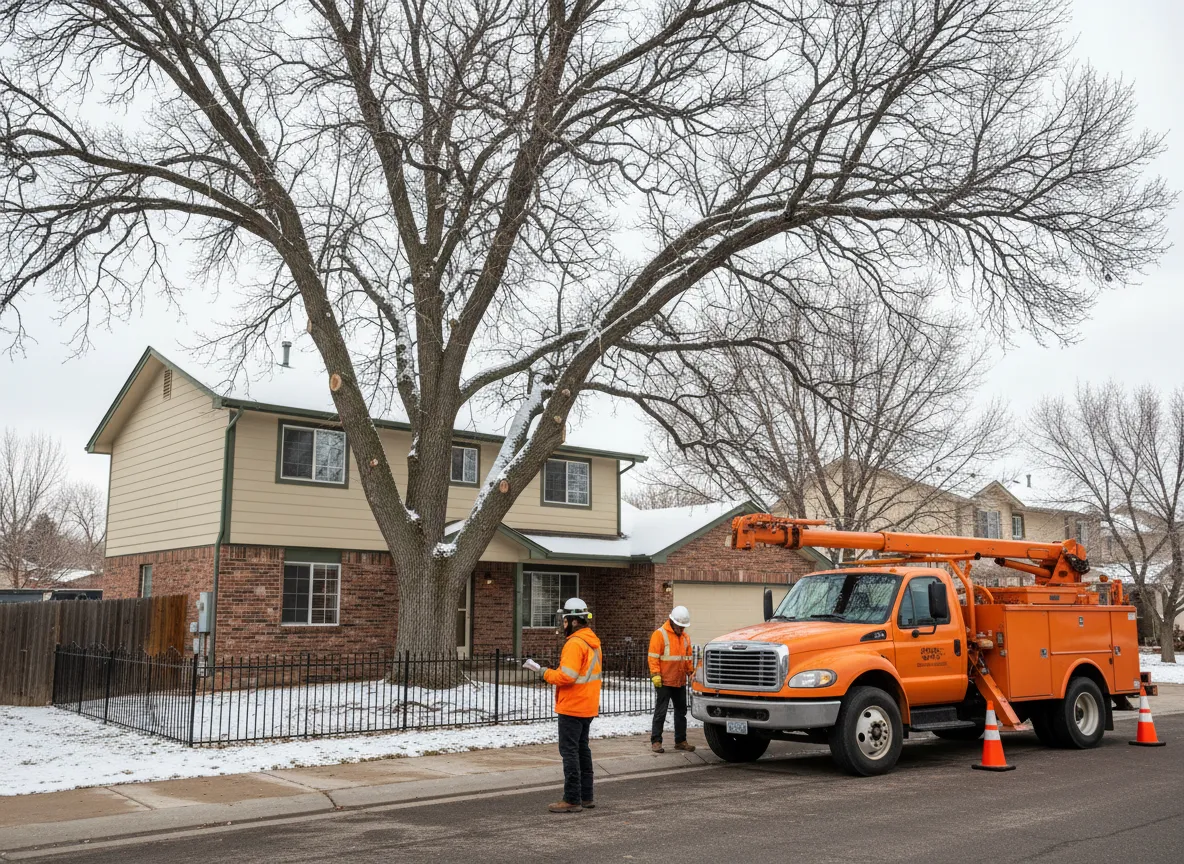
A large tree close to a home in Utah showing removal risk and access issues is a perfect example: when there’s no safe “drop zone,” the tree has to come down in controlled sections. That takes more time, more gear, and more expertise.
3) Access: can equipment get where it needs to go?
Access is a major factor in Northern Utah neighborhoods—especially older areas in Ogden, Riverdale, and Roy where lots can be tight.
Things that can increase cost:
- Narrow side yards or gates
- Steep slopes or terraced landscaping
- Soft or muddy ground (especially during freeze/thaw)
- Limited street parking or restricted access for commercial properties
If a crew can’t bring equipment close, more work becomes manual—and that changes pricing.
4) Tree condition: dead, storm-damaged, or split
Dead trees and storm-damaged trees can be unpredictable. In Northern Utah, heavy snow and windstorms can cause:
- Hidden cracks
- Split trunks
- Hanging limbs (“widowmakers”)
- Root plate movement after freeze/thaw cycles
Those conditions increase risk and often require extra safety steps.
If you’re dealing with storm damage, it may be worth checking out Emergency tree removal (and if you want, tell me the city and what happened—snow load, wind, or impact—and I’ll help you think through the safest next step).

5) Cleanup and hauling (what do you want done with the debris?)
Two removals can look identical until cleanup is discussed.
Common options:
- Haul away all wood and debris
- Leave wood on-site (for firewood or later disposal)
- Chip branches and haul chips
- Full rake-and-blow cleanup
For commercial properties (HOAs, churches, retail centers), cleanup is often non-negotiable because you need the site safe and presentable immediately.
6) Stump grinding (often a separate line item)
Many people assume stump removal is automatically included. Often it’s priced separately because it’s a different machine and a different process.
If you want the stump gone, ask specifically about stump grinding. If you’re comparing quotes, make sure you’re comparing apples to apples.
If you’re planning to replant or re-sod, stump grinding is usually the cleanest path forward.
7) Permits, HOA rules, and city requirements (sometimes)
Depending on the city and the situation, you may need permission to remove certain trees—especially in HOA-managed neighborhoods or commercial sites.
If you manage a property and need documentation, photos, or a clear scope for board approval, that’s something we can help with during an estimate.
Typical price ranges (and why online numbers can be misleading)
You’ll see a lot of “average cost” numbers online. They’re not always wrong—they’re just incomplete.
Here’s why: a tree removal quote isn’t only about cutting wood. It’s about executing a high-risk job with the right crew, equipment, insurance coverage, and cleanup.
If you’re comparing bids, look for:
- Clear scope (what’s included and what’s not)
- Cleanup details
- Whether stump grinding is included
- Proof of insurance
- Professional approach to safety and property protection
If a quote seems unusually low, it’s worth asking how they plan to remove the tree—especially if it’s near a home, fence, or power lines.
Why DIY tree removal is so risky (especially in Utah winters)
I get it—tree removal looks straightforward on YouTube. But in real life, it’s one of the most dangerous jobs around.
Here’s what makes DIY removal risky in Northern Utah:
- Snow load and ice change how limbs behave when cut
- Freeze/thaw cycles can loosen soil and shift root stability
- Wind gusts can swing a suspended limb unexpectedly
- Hidden rot can cause trunks to fail under tension
- Rigging physics (ropes, friction, load angles) isn’t intuitive
And for commercial sites, the liability is even bigger. A dropped limb over a sidewalk or parking area can turn into a serious incident fast.
If you’re on the fence, consider starting with a professional assessment. Even a quick consult can help you avoid a dangerous mistake.
What to expect during a professional tree removal estimate
A good estimate should feel clear—not rushed, not vague.
During an on-site look, we typically evaluate:
- Tree species and structure
- Lean, defects, and deadwood
- Targets (home, fence, road, power lines)
- Access for equipment
- Removal plan (directional felling vs. sectional removal)
- Cleanup expectations
You should walk away knowing:
- The safest plan for removal
- What’s included in the price
- Timeline and scheduling expectations
If you’re ready, you can book an estimate here.
Northern Utah specifics: what local weather does to trees (and your pricing)
Tree removal in Northern Utah isn’t the same as tree removal in a mild climate.
A few local realities that matter:
Heavy snow + windstorms
Snow load can crack limbs and create hang-ups that don’t fall right away. Windstorms can twist tops out and leave broken limbs suspended.
If you’re in Pleasant View, North Ogden, or South Weber where wind can hit hard, a “fine yesterday” tree can become a hazard overnight.
Drought stress
Hot, dry summers can weaken trees over time. A stressed tree is more likely to drop limbs and less likely to recover from damage.
Freeze/thaw and soil movement
Repeated freeze/thaw cycles can shift soil, especially in irrigated lawns. That can affect root stability—particularly for larger trees.
All of these factors can increase complexity (and cost) because the removal plan must account for unpredictable wood behavior and stability.
Tree removal for businesses and commercial properties (HOAs, churches, retail, city sites)
If you manage a commercial property, your priorities are usually:
- Safety for tenants, visitors, and staff
- Minimal disruption (parking, access lanes, entrances)
- Clean, professional results
- Documentation and clear communication
Commercial removals often require:
- Traffic or pedestrian control
- Coordinating around business hours
- Extra cleanup expectations
- Multiple trees or ongoing maintenance planning
If you’re responsible for an HOA, church property, or retail center in Ogden, Layton, or anywhere along the Wasatch Front, it’s worth having a reliable tree partner you can call when weather hits.
You can also explore ongoing care options like tree trimming and pruning to reduce the chance of emergency removals later.
How to lower the cost (without cutting corners on safety)
If you’re trying to manage budget, here are a few safe ways to keep pricing reasonable:
- Combine work: If you have multiple trees, bundling jobs can reduce mobilization costs.
- Decide on wood: If you want to keep firewood, tell us—hauling can be reduced.
- Plan ahead: Non-emergency scheduling is usually easier than last-minute hazard calls.
- Address problems early: Removing a risky limb now can prevent a full removal later.
The key is: don’t “save money” by skipping safety steps. The cost of one mistake is almost always higher than the cost of doing it right.
Questions to ask before you hire a tree removal company
If you’re getting quotes, these questions help you spot the difference between a professional plan and a gamble:
- Are you licensed and insured?
- How will you protect my roof, fence, and landscaping?
- Will the tree be felled whole or removed in sections?
- What cleanup is included?
- Is stump grinding included or separate?
- How do you handle trees near power lines?
If the answers feel vague, keep looking.
When it’s time to remove a tree (common signs)
Not every “ugly” tree needs to come down. But some warning signs mean it’s time to take action:
- Large dead limbs in the canopy
- Significant lean that’s new or increasing
- Cracks in the trunk
- Mushrooms or decay at the base
- Uplifted soil around the roots
- Repeated limb failures after storms
If you’re unsure, a professional hazard assessment can save you from guessing.
A simple next step: get a clear, local estimate
If you’re trying to figure out the cost to take down a tree in Utah, the most helpful thing you can do is get eyes on the tree—especially if it’s close to a home, near a driveway, or hanging over a high-traffic area.
Darrell’s Tree Service has been serving Northern Utah for decades, and we take a safety-first approach that protects your property and gives you peace of mind.
If you’re in Ogden, North Ogden, Pleasant View, Harrisville, Riverdale, Roy, Clinton, Clearfield, Sunset, Layton, South Weber, West Haven, Hooper, Farr West, Marriott-Slaterville, or Brigham City, you can schedule an appointment here. We’ll walk you through the safest plan and give you a straightforward estimate.
Related services you might want to consider
Depending on what we find, you may also benefit from:
- Preventive pruning to reduce storm damage risk
- Stump grinding after removal
- Shrub and bush trimming for visibility and access
- Ongoing commercial maintenance planning
If you tell me your city and the tree type (cottonwood, maple, pine, etc.), I can also suggest what Northern Utah homeowners and property managers typically do next.

Serving Ogden and Northern Utah with trusted, certified tree care since 1981.


