Darrell’s Tree Service
Trusted Residential and Commercial Tree Service for Northern Utah
Serving Ogden & The Wasatch Front Since 1981
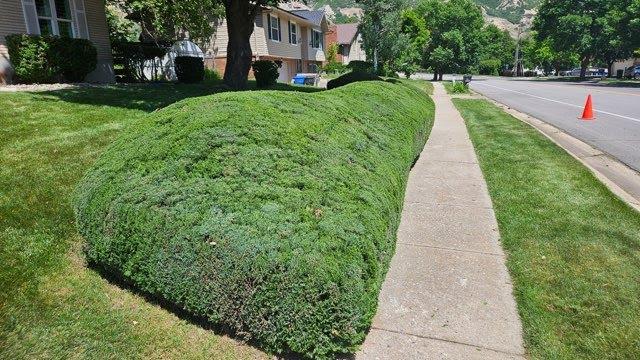
Healthy Trees.
Happy Propertys.
Peace of Mind.
For over 40 years, Darrell’s Tree Service has been Northern Utah’s go-to team for expert tree care, removal, and landscape solutions. Our certified arborists combine deep local knowledge with professional training to keep your property safe, beautiful, and thriving, season after season.
Our Services
OUR SERVICES
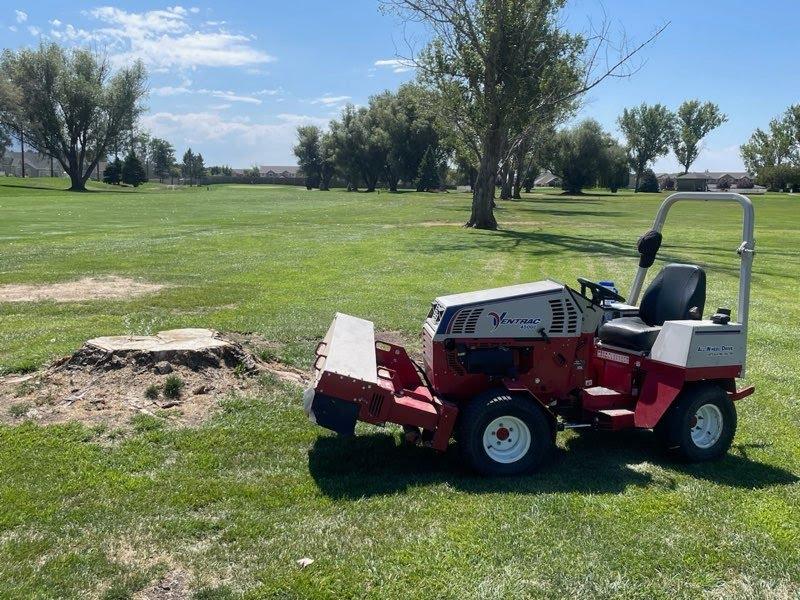
Tree Removal &
Stump Services
Tree Removal, Hazardous Tree Removal, Stump Grinding & Removal, Land Clearing.
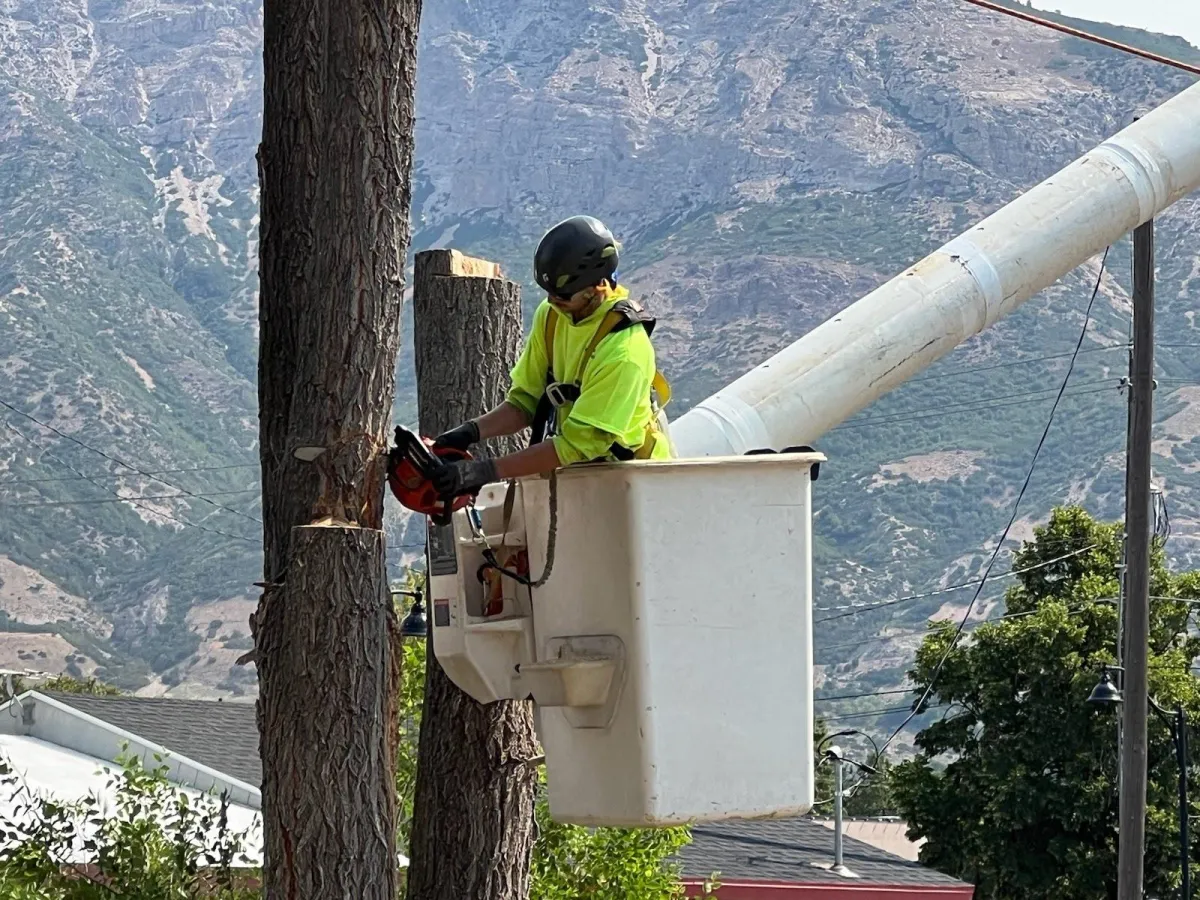
Tree & Shrub Care
Trimming & Pruning, Shrub & Landscape Maintenance, Fertilization, Treatment
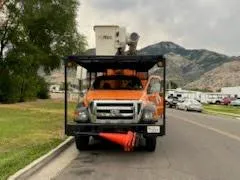
Emergency &
Storm Services
Emergency Tree Services, Storm Damage Response
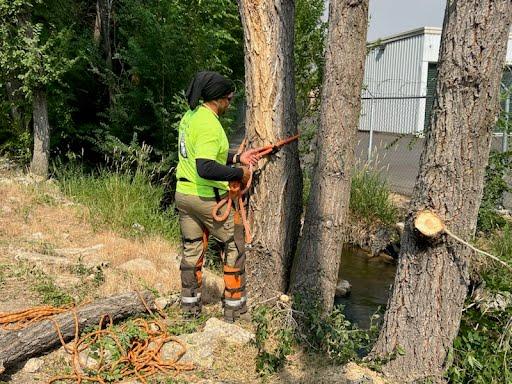
Tree Health & Structural Support
Diagnosis & Risk Management, Cabling, Bracing & Preservation
Why Choose Darrell’s?
Trusted, Local Tree Care Experts
Since 1981
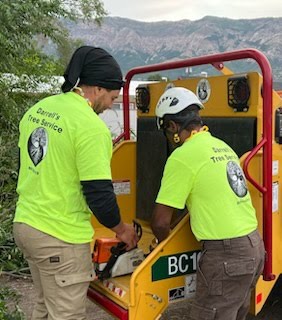
Here's what you get:
Locally Owned & Operated Since 1981
Certified, Experienced Arborists
Free, No-Obligation Estimates
Fully Licensed & Insured
Prompt, Thorough Cleanup, Every Job
4.6-Star Rated by Your Neighbors
Areas We Serve
CLIENT'S REVIEWS
WE HANDLE EVERYTHING FOR YOU
OVER
40
YEARS OF SERVICE
OVER
52,000
TREES TAKEN CARE OF
OVER
30
COMMUNITIES SERVED
Commercial Tree Service
We serve cities, churches, schools, hospitals, property management companies, HOAs, and businesses throughout the region. Our certified arborists and fully insured team deliver professional tree removal, pruning, stump grinding, and root grinding services tailored to meet the unique needs of commercial properties.
Whether you manage a municipal facility, institutional campus, apartment complex, or retail property, we provide reliable, efficient service that protects your investment and maintains your landscape's health and safety. From emergency storm response to routine maintenance, Darrell's Tree Service combines certified expertise with competitive pricing to keep your commercial property looking its best. Contact us today for a free estimate and discover why Weber County, Davis County, Box Elder County, and Salt Lake County trust us leading organizations trust us with their tree care needs.
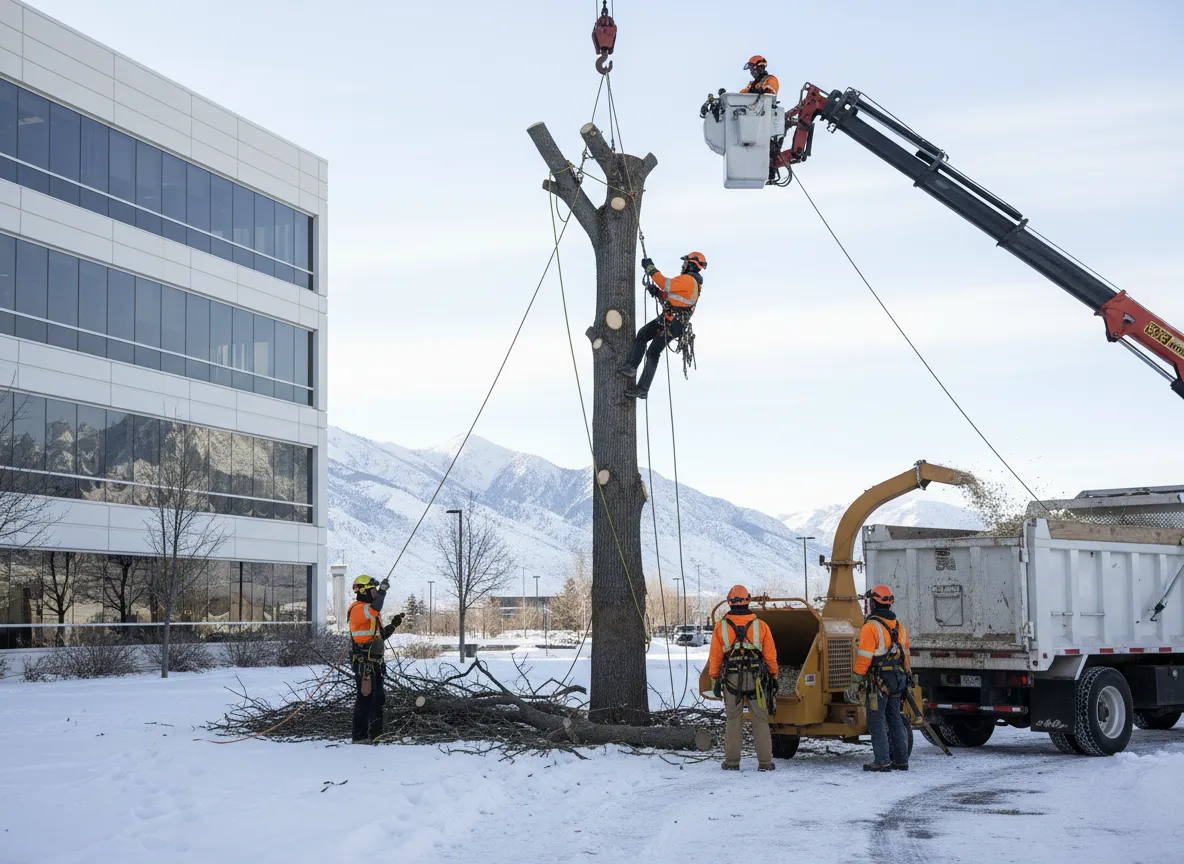
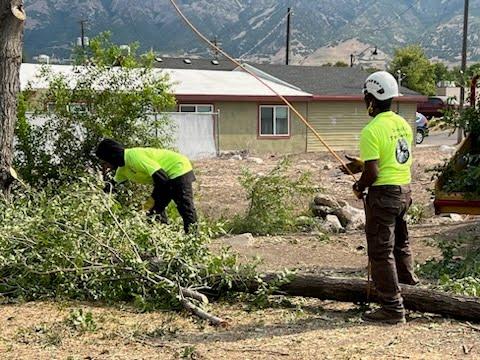
Residential Tree Service
Darrell's Tree Service is the trusted choice for residential tree care throughout Ogden, Layton, Salt Lake City, and surrounding Northern Utah communities. With over 40 years of local expertise, our certified arborists deliver professional tree removal, pruning, stump grinding, and root grinding services designed to protect your home and property. Whether you're dealing with storm damage, overgrown trees threatening your foundation, or routine maintenance to keep your landscape healthy and safe, our fully insured team provides reliable, efficient service at competitive prices.
We understand that your home is your most valuable investment, which is why we treat every residential project with the care and attention it deserves. From emergency 24/7 response to scheduled maintenance, Darrell's Tree Service combines certified expertise with transparent pricing and exceptional customer service. Contact us today for a free estimate and experience why homeowners from as far North as Logan and Tremonton to Salt Lake City and everything in between Northern Utah.
RECENT POSTS
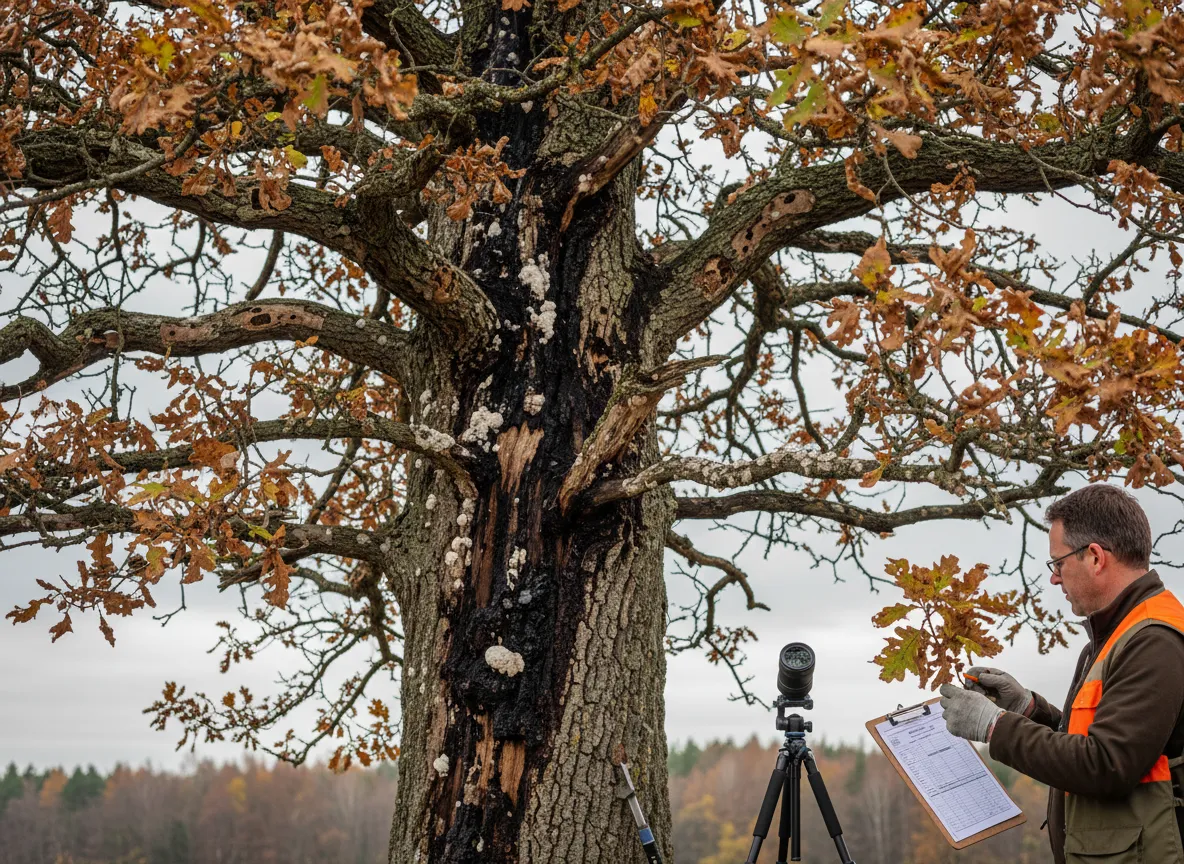
Tree Health Assessment in Utah: Signs Your Tree Is Stressed (and What to Do Next) | Darrell’s Tree Service
Introduction: Why Tree Health Matters in Northern Utah
If you're managing a commercial property, overseeing an HOA, or caring for your home in Ogden, Layton, or anywhere across the Wasatch Front, you know that trees are more than just pretty additions to your landscape. They're investments. They provide shade, increase property value, offer privacy, and create a welcoming atmosphere for customers or visitors. But here's the thing—trees in Northern Utah face unique stressors that many property owners don't fully understand until it's too late.
Our region's freeze-thaw cycles, intense winter snow loads, summer droughts, and variable spring weather create a perfect storm of challenges for trees. A tree that looks fine on the surface might be struggling beneath the bark. And when a stressed tree finally fails—whether it drops a limb during a windstorm or becomes a hazard near a building—the consequences can be expensive and dangerous.
That's why recognizing the early signs of tree stress is so important. The good news? With a proper tree health assessment in Utah, you can catch problems before they become emergencies.

Understanding Tree Stress: What's Really Going On
Trees don't just wake up one day and decide to fail. Stress builds gradually, often invisibly. When a tree is stressed, its natural defense systems weaken, making it vulnerable to disease, pest infestations, and structural failure.
In Northern Utah, the most common stressors include:
- Freeze-thaw cycles that crack bark and damage roots
- Heavy snow and ice loads that bend branches and split limbs
- Drought conditions that deplete water reserves, especially during hot summers
- Soil compaction from construction, foot traffic, or vehicle movement
- Poor drainage that leads to root rot or fungal issues
- Improper pruning that creates entry points for disease
- Root damage from underground utilities or landscaping work
- Pest pressure, particularly pine beetles in our region
When trees experience these stressors, they respond by redirecting energy away from growth and toward survival. This is when you start seeing the warning signs—and that's your window to intervene.
The Top Signs Your Tree Is Stressed
1. Unusual Leaf or Needle Discoloration
One of the first red flags is when foliage doesn't look quite right. This might include:
- Premature yellowing or browning in spring or early summer
- Sparse canopy with noticeably fewer leaves than usual
- Scorched or bleached leaf edges, especially in conifers
- Wilting leaves even after recent rain
In Utah, we often see this during drought years or after particularly harsh winters. If your tree's canopy looks thin or discolored, it's telling you something is wrong.
2. Visible Canopy Damage or Dieback
Take a step back and look at the overall shape of your tree. Healthy trees have fairly full, balanced canopies. Stressed trees often show:
- Dead branches throughout the crown (not just at the top)
- Significant branch loss on one side of the tree
- Thinning canopy where you can see through to the sky more than you should
- Bare patches where branches used to be
This kind of dieback is especially common in older trees or those that have experienced severe weather events. In Brigham City, Harrisville, and other northern areas, we see this frequently after heavy snow years.
3. Bark Damage, Cracks, or Peeling
The bark is your tree's protective layer. When it's compromised, trouble follows. Look for:
- Vertical cracks or splits running down the trunk
- Peeling or flaking bark that exposes the wood underneath
- Cankers (sunken, discolored areas on the trunk or branches)
- Oozing sap or gum from wounds or cracks
- Missing bark in patches, especially in a band around the trunk
Our freeze-thaw cycles in Northern Utah are notorious for causing bark damage. When temperatures swing dramatically—from below zero to above freezing—the wood expands and contracts, sometimes splitting the bark wide open.
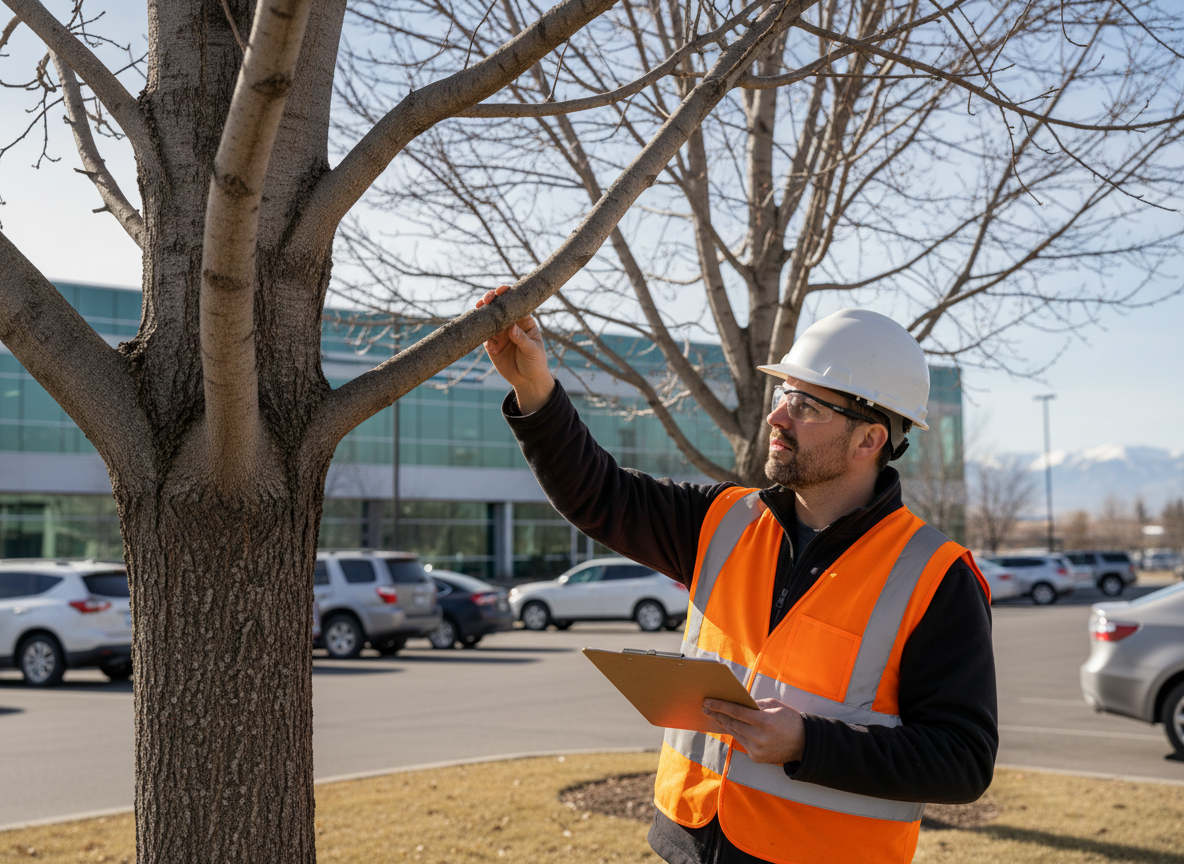
4. Pest Infestations or Disease Signs
Sometimes the problem isn't environmental—it's biological. Watch for:
- Sawdust or frass (insect droppings) around the base or on branches
- Small holes in the bark, especially in a pattern
- Fungal growth like mushrooms at the base or on the trunk
- Webbing or cocoons in branches
- Unusual insect activity (beetles, borers, scale insects)
Pine beetles are a particular concern in Utah. If you have conifers showing reddish-brown needles or small holes in the bark, don't wait—this is a serious issue that requires immediate attention.
5. Leaning, Instability, or Root Problems
A tree that's leaning, uprooted, or showing exposed roots is in trouble:
- Obvious lean that's developed recently (not the tree's natural shape)
- Exposed or heaving roots at the surface
- Soil that's cracked or pulling away from the base
- Movement or swaying even in calm conditions
- Hollow sections in the trunk that you can see or feel
This is especially concerning for commercial properties, HOAs, and areas near buildings. A falling tree can cause serious damage and liability issues.
6. Slow Growth or Stunted Development
Sometimes the sign is what's not happening. If your tree isn't growing the way it should:
- Shorter branch extensions year after year
- Smaller leaves than normal
- Reduced flowering or fruiting
- General lack of vigor compared to similar trees nearby
This often indicates that the tree is struggling with root problems, soil issues, or chronic stress.
What Causes Tree Stress in Northern Utah?
Understanding the "why" behind tree stress helps you prevent it. Here are the most common culprits in our region:
Climate and Weather
Our Northern Utah climate is beautiful but challenging. Winter snow loads can bend young trees permanently. Spring freeze-thaw cycles crack bark. Summer droughts stress roots. Wind storms in spring and fall can snap branches and uproot trees. If your tree wasn't selected for our climate or wasn't properly established, it's fighting an uphill battle.
Soil and Water Issues
Many properties in the Wasatch Front have poor drainage or compacted soil. Trees need well-draining soil with consistent moisture—not soggy, not bone-dry. If water pools around your tree after rain, or if the soil is hard and compacted, roots can't thrive.
Improper Maintenance
Well-meaning but incorrect pruning is a huge problem. Topping trees, removing too much foliage, cutting branches flush to the trunk, or pruning at the wrong time of year all stress trees. They can't heal properly and become vulnerable to disease and pests.
Root Damage
Construction, utility work, or even heavy foot traffic can damage roots. In commercial properties and HOAs, this is surprisingly common. Once roots are damaged, the tree struggles to absorb water and nutrients.
Age and Natural Decline
Some trees are simply reaching the end of their lifespan. In Northern Utah, we have trees that have been thriving for 50, 75, or even 100+ years. Eventually, they decline—and that's okay. The key is managing that decline safely.
When to Call for a Professional Tree Health Assessment
You don't need to be a certified arborist to know something's wrong with your tree. But you do need professional expertise to understand what's happening and what to do about it.
A professional tree health assessment involves:
- Visual inspection of the entire tree, including canopy, trunk, and roots
- Evaluation of the surrounding environment (soil, drainage, nearby structures)
- Assessment of potential hazards and risk factors
- Diagnosis of specific problems (disease, pest, structural issues)
- Recommendations for treatment, pruning, removal, or monitoring
This is especially important if:
- Your tree is large or located near buildings, power lines, or high-traffic areas
- You've noticed any of the stress signs mentioned above
- You're planning construction or landscaping work
- You want to preserve a valuable tree but aren't sure how
- You're managing a commercial property or HOA and need to document tree conditions for liability reasons
For businesses and property managers across Ogden, Layton, Salt Lake City, and throughout Northern Utah, a professional assessment provides peace of mind and protects your investment.
What Happens During a Tree Health Assessment?
When a certified arborist evaluates your tree, they're looking at the big picture. They'll examine:
- Leaf and needle condition to assess overall vigor
- Bark and trunk integrity for signs of damage or disease
- Branch structure and any dead wood
- Root collar and base for girdling roots or damage
- Surrounding environment for soil compaction, drainage issues, or other stressors
- Pest and disease presence using visual inspection and sometimes testing
Based on this assessment, they'll provide recommendations. Sometimes that's pruning to improve structure and health. Sometimes it's treatment for disease or pests. Sometimes it's cabling or bracing to support weak branches. And sometimes, the most responsible recommendation is removal—especially if the tree poses a safety risk.
Treatment Options for Stressed Trees
Not every stressed tree needs to be removed. Depending on the diagnosis, here are common treatment approaches:
Pruning and Structural Improvement
Strategic pruning removes dead wood, improves structure, and reduces stress on weak branches. In Northern Utah, proper pruning also helps trees shed snow and ice more safely.
Disease and Pest Treatment
For certain conditions, treatments can help. This might include fungicide applications, insect management, or removal of infected branches. The key is catching problems early.
Root and Soil Management
Sometimes the solution is improving the environment around the tree. This might include:
- Aeration to relieve soil compaction
- Mulching to regulate soil temperature and moisture
- Drainage improvement to prevent waterlogging
- Removing girdling roots that strangle the tree
Cabling and Bracing
For trees with weak branch angles or structural issues, cabling can provide support and prevent failure. This is especially valuable for older, established trees that you want to preserve.
Monitoring and Ongoing Care
Sometimes the best approach is watchful waiting with professional monitoring. A stressed tree might recover with time and proper care, or it might continue to decline. Regular check-ins help you make informed decisions.
Prevention: Keeping Your Trees Healthy
The best medicine is prevention. Here's how to keep your Northern Utah trees healthy:
Choose the right trees for our climate. Not every tree thrives here. Work with local experts who understand which species handle our winters, droughts, and weather patterns.
Establish trees properly. Young trees need consistent watering, protection from harsh sun and wind, and proper mulching. The first few years are critical.
Water wisely. Most trees need deep, infrequent watering rather than daily sprinkles. In our dry climate, this is especially important during establishment and drought years.
Prune correctly and at the right time. Avoid topping. Remove dead wood and crossing branches. Prune in late winter or early spring (before growth starts). When in doubt, hire a professional.
Maintain soil health. Avoid compacting soil around trees. Use mulch to regulate temperature and moisture. Aerate if soil is compacted.
Monitor regularly. Walk your property and look at your trees. Catch problems early, before they become emergencies.
Hire professionals for major work. Tree pruning, removal, and health assessment aren't DIY jobs. The risks—to you, your property, and the tree—are too high.
Why Professional Assessment Matters for Your Property
If you're a business owner, property manager, or HOA board member in Northern Utah, professional tree assessments aren't just nice to have—they're essential. Here's why:
Liability protection. If a tree on your property fails and causes injury or damage, you could be liable. Documented professional assessments show that you took reasonable care.
Cost savings. Catching problems early is almost always cheaper than dealing with emergency removal or property damage.
Property value. Healthy, well-maintained trees increase property appeal and value. Stressed or hazardous trees do the opposite.
Peace of mind. Knowing the condition of your trees and having a plan to address problems is invaluable.
Next Steps: Get Your Trees Assessed
If you

Serving Ogden and Northern Utah with trusted, certified tree care since 1981.


