Darrell’s Tree Service
Trusted Residential and Commercial Tree Service for Northern Utah
Serving Ogden & The Wasatch Front Since 1981
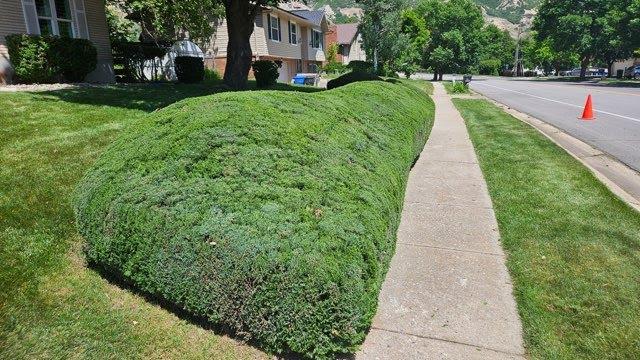
Healthy Trees.
Happy Propertys.
Peace of Mind.
For over 40 years, Darrell’s Tree Service has been Northern Utah’s go-to team for expert tree care, removal, and landscape solutions. Our certified arborists combine deep local knowledge with professional training to keep your property safe, beautiful, and thriving, season after season.
Our Services
OUR SERVICES
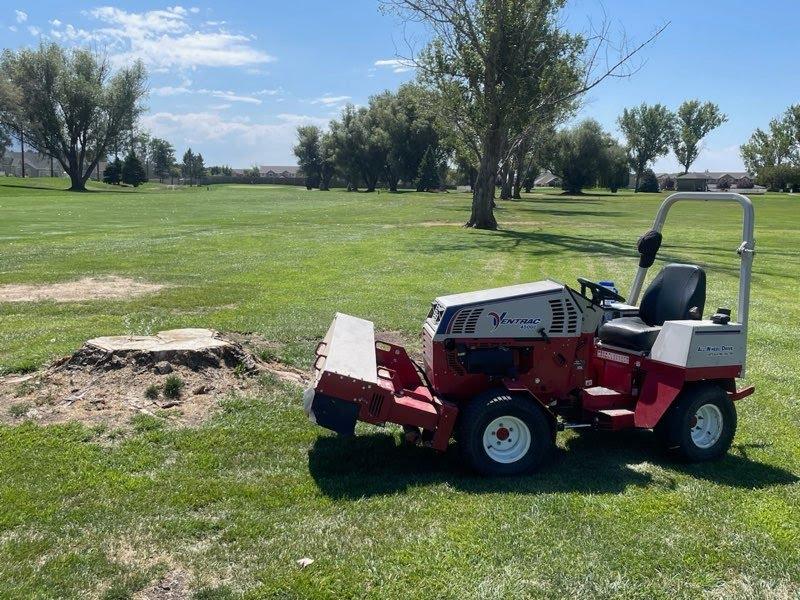
Tree Removal &
Stump Services
Tree Removal, Hazardous Tree Removal, Stump Grinding & Removal, Land Clearing.
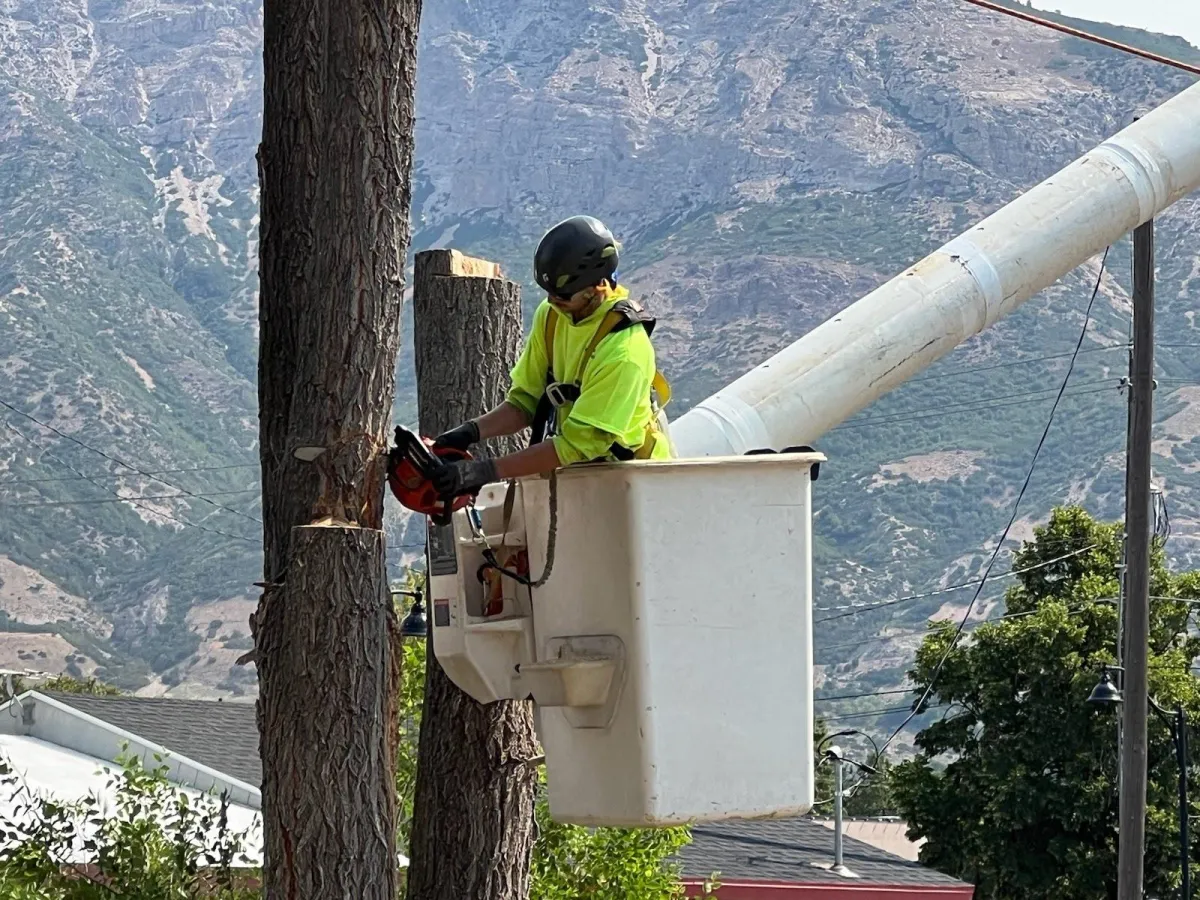
Tree & Shrub Care
Trimming & Pruning, Shrub & Landscape Maintenance, Fertilization, Treatment
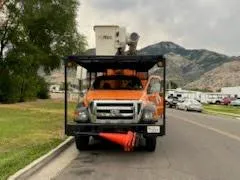
Emergency &
Storm Services
Emergency Tree Services, Storm Damage Response
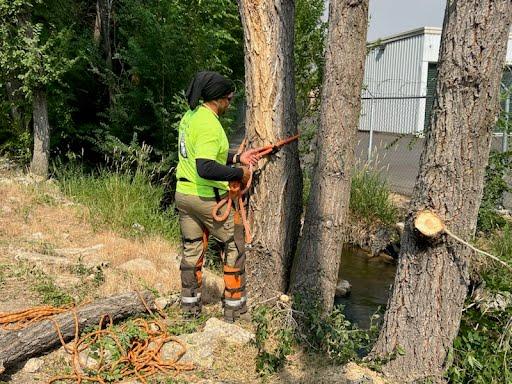
Tree Health & Structural Support
Diagnosis & Risk Management, Cabling, Bracing & Preservation
Why Choose Darrell’s?
Trusted, Local Tree Care Experts
Since 1981
Here's what you get:
Locally Owned & Operated Since 1981
Certified, Experienced Arborists
Free, No-Obligation Estimates
Fully Licensed & Insured
Prompt, Thorough Cleanup, Every Job
4.6-Star Rated by Your Neighbors
Areas We Serve
CLIENT'S REVIEWS
WE HANDLE EVERYTHING FOR YOU
OVER
40
YEARS OF SERVICE
OVER
52,000
TREES TAKEN CARE OF
OVER
30
COMMUNITIES SERVED
Commercial Tree Service
We serve cities, churches, schools, hospitals, property management companies, HOAs, and businesses throughout the region. Our certified arborists and fully insured team deliver professional tree removal, pruning, stump grinding, and root grinding services tailored to meet the unique needs of commercial properties.
Whether you manage a municipal facility, institutional campus, apartment complex, or retail property, we provide reliable, efficient service that protects your investment and maintains your landscape's health and safety. From emergency storm response to routine maintenance, Darrell's Tree Service combines certified expertise with competitive pricing to keep your commercial property looking its best. Contact us today for a free estimate and discover why Weber County, Davis County, Box Elder County, and Salt Lake County trust us leading organizations trust us with their tree care needs.
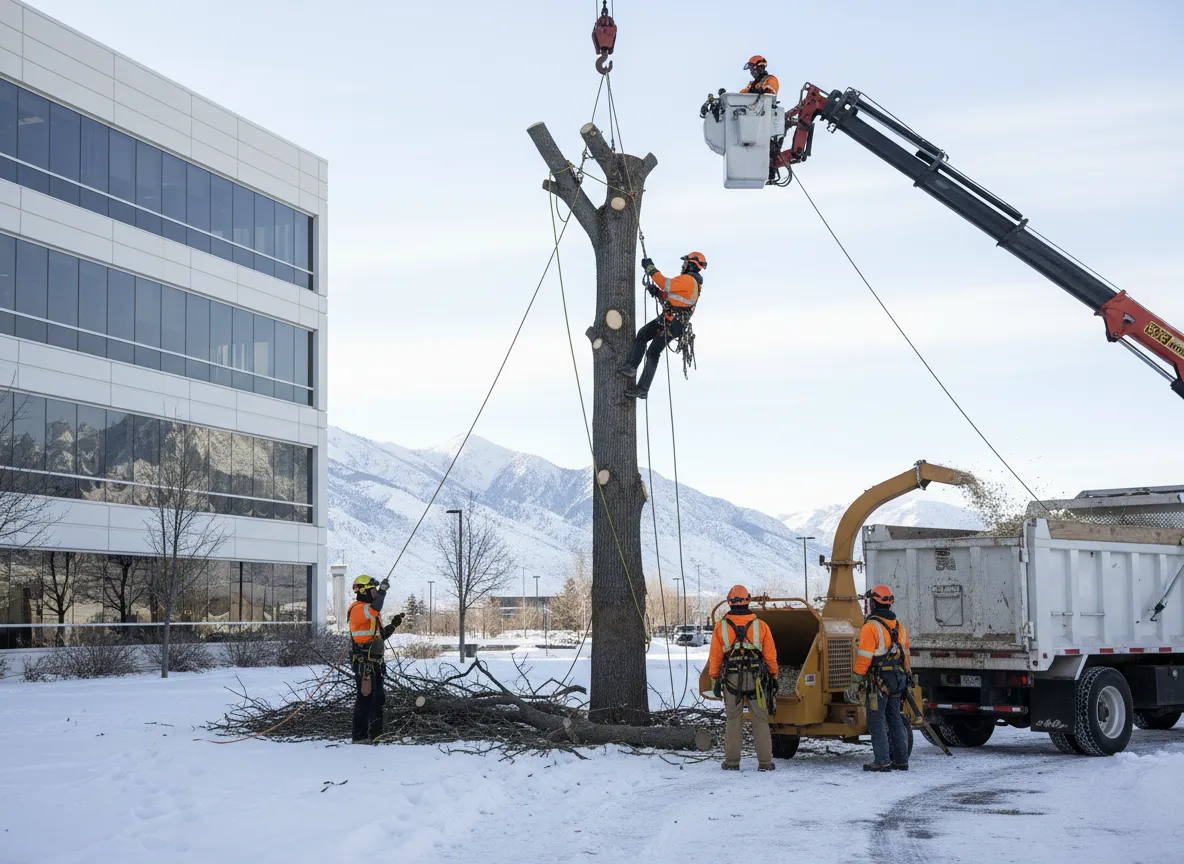
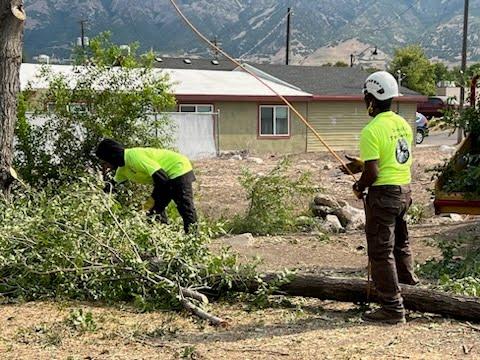
Residential Tree Service
Darrell's Tree Service is the trusted choice for residential tree care throughout Ogden, Layton, Salt Lake City, and surrounding Northern Utah communities. With over 40 years of local expertise, our certified arborists deliver professional tree removal, pruning, stump grinding, and root grinding services designed to protect your home and property. Whether you're dealing with storm damage, overgrown trees threatening your foundation, or routine maintenance to keep your landscape healthy and safe, our fully insured team provides reliable, efficient service at competitive prices.
We understand that your home is your most valuable investment, which is why we treat every residential project with the care and attention it deserves. From emergency 24/7 response to scheduled maintenance, Darrell's Tree Service combines certified expertise with transparent pricing and exceptional customer service. Contact us today for a free estimate and experience why homeowners from as far North as Logan and Tremonton to Salt Lake City and everything in between Northern Utah.
RECENT POSTS
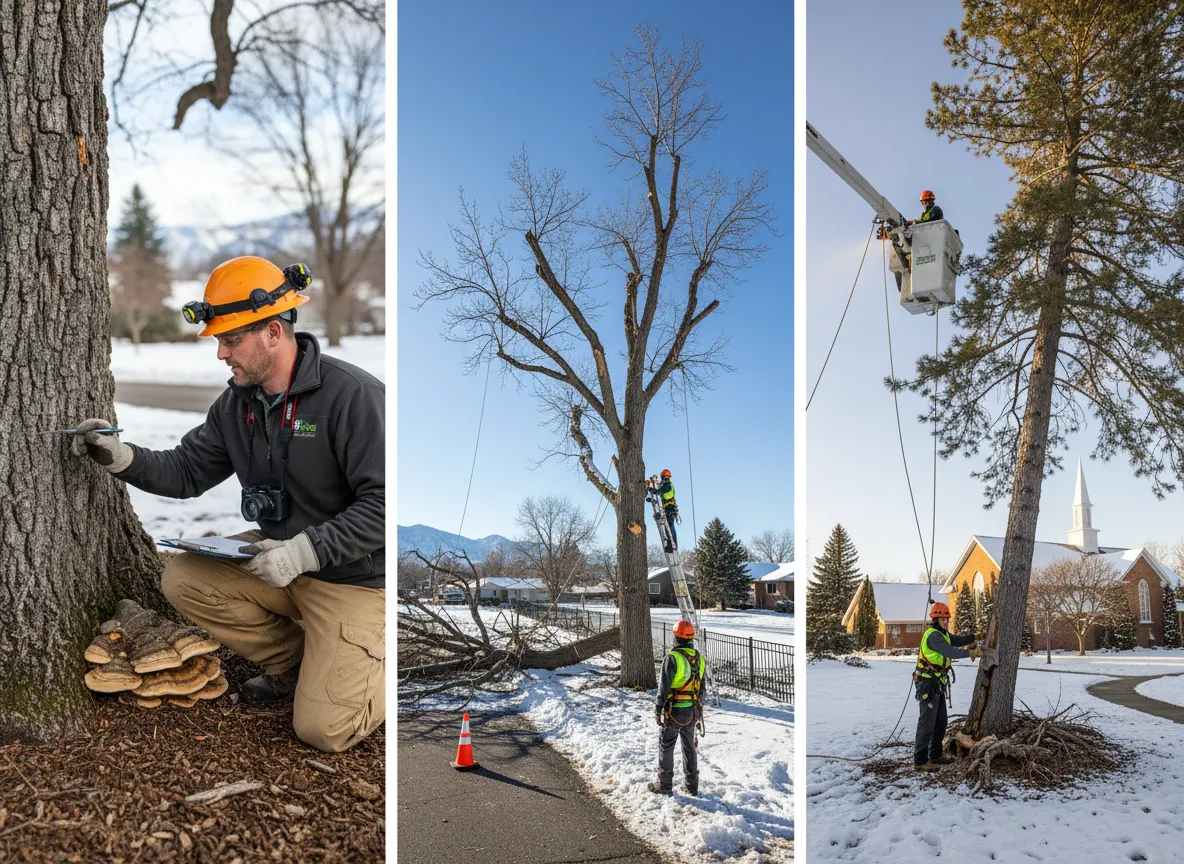
Tree Hazard Assessment in Utah: How Pros Identify Dangerous Trees | Darrell’s Tree Service
When a tree feels “off,” trust that instinct
A leaning cottonwood by the parking lot. A big limb hanging over the playground at your church in Layton. A crack you swear wasn’t there last season at your Ogden home. In Northern Utah, trees take a beating from heavy snow, canyon winds, summer drought, and freeze/thaw cycles—and sometimes the damage isn’t obvious until it becomes urgent. That’s where a tree hazard assessment comes in: a professional, safety-first way to figure out what’s going on and what to do next.
This guide breaks down how pros evaluate risk, which warning signs matter most, and what your next steps should be if you’re worried about a hazardous tree in Utah.
What is a tree hazard assessment (and why it matters in Utah)?
A tree hazard assessment is a structured inspection that looks at a tree’s condition, defects, and surroundings to estimate the likelihood of failure (like a limb breaking or the whole tree coming down) and the consequences if it fails.
In Northern Utah—Ogden, North Ogden, Pleasant View, Harrisville, Riverdale, Roy, Clinton, Clearfield, Sunset, Layton, South Weber, West Haven, Hooper, Farr West, Marriott-Slaterville, and Brigham City—risk is often shaped by:
Snow load and ice that overload branches and split weak unions
Wind events that expose hidden decay or weak roots
Drought stress that slowly weakens trees over multiple seasons
Freeze/thaw cycles that expand cracks and worsen trunk damage
Soil and irrigation patterns that can destabilize roots (especially in landscaped commercial properties)
For commercial properties, the stakes are even higher: liability, tenant safety, customer access, and property damage. A hazard assessment helps you make a clear, defensible decision—prune, cable, treat, monitor, or remove.
Who should consider a tree hazard assessment?
If you manage or own property in Northern Utah, a hazard assessment is worth considering when:
A tree could hit a building, parked cars, sidewalks, playgrounds, signage, power lines, or fences
You’ve had storm damage or repeated limb drop
You’re responsible for a high-traffic site (HOA, church, school, retail center, office park)
You’re planning construction, trenching, or changes to irrigation near trees
You’re seeing new cracks, lean, dieback, or mushrooms at the base
Residential homeowners benefit too—especially older homeowners who want peace of mind and a clear plan without guesswork.
The “risk equation” pros use (in plain English)
When a certified arborist or experienced tree crew evaluates a tree, they’re usually thinking in three parts:
Likelihood of failure: How likely is the tree (or a part of it) to break?
Likelihood of impact: If it breaks, is there something it can hit?
Consequences: If it hits, how bad could it be?
A tree over an empty field might be in rough shape but still low risk. A tree with the same defects over a busy driveway in Roy or a daycare playground in Clearfield is a very different story.

Warning signs of a hazardous tree in Utah
Some problems are obvious. Others are subtle. Here are the most common red flags we see across Northern Utah.
1) Leaning tree (especially if it’s new)
A slight lean can be normal for certain species, but a sudden lean—or a lean paired with soil lifting—can indicate root failure.
Watch for:
Freshly tilted trunk
Mounded or cracking soil on one side
Exposed roots or a “heaving” look near the base
If you notice a new lean after a windstorm in Brigham City or heavy snow in North Ogden, it’s worth getting checked.
2) Visible trunk crack
A visible trunk crack is one of the most serious warning signs, especially if it’s deep, widening, or accompanied by oozing sap or separated bark.
Cracks can worsen fast with freeze/thaw cycles. If you can see daylight into a split, or the crack runs vertically for a long distance, treat it as urgent.
3) Dead or hanging limbs over targets
Deadwood happens—but dead limbs over sidewalks, parking stalls, or patios are a hazard.
Common commercial “targets” include:
Customer walkways
Dumpster enclosures
Loading zones
Outdoor seating
Entry signage
If you’re a property manager in Layton or Riverdale, routine inspections can prevent an emergency call later.
4) Fungal growth (mushrooms) near the base
Mushrooms or conks can be a sign of internal decay. Not every fungus means immediate danger, but it’s a strong reason to schedule a tree hazard assessment.
5) Cavities, hollowing, or missing bark
Trees can survive with cavities, but the question is whether enough strong wood remains to support the canopy—especially in wind.
6) Multiple stems with weak unions
Trees with two or more trunks can split where they join, particularly if bark is trapped between stems (called included bark). This is a common failure point during snow events.
7) Root problems and soil issues
Root damage is often overlooked because it’s out of sight. Red flags include:
Construction or trenching near the tree
Chronic overwatering or poor drainage
Soil compaction from vehicles
Girdling roots (roots wrapping the trunk)
8) Thinning canopy, dieback, or sudden decline
A stressed tree can become brittle and more likely to fail. In Utah, drought stress can show up as:
Smaller leaves
Early fall color
Dead branch tips
Sparse canopy
What happens during a professional tree hazard assessment?
A professional tree hazard assessment isn’t just “a quick look.” It’s a methodical evaluation that considers the tree, the site, and your goals.
Here’s what you can expect.
Step 1: Site and target review
We look at what’s around the tree:
Buildings, fences, sidewalks, parking lots
Play areas and high-traffic zones
Utilities and clearance needs
Slope, drainage, and soil conditions
For commercial properties, we also consider operations: access routes, tenant areas, and timing.
Step 2: Visual inspection from ground level
We inspect:
Trunk condition (cracks, cavities, decay)
Branch structure (weak unions, deadwood)
Canopy health (dieback, imbalance)
Root flare and base (fungus, girdling roots, soil movement)
Step 3: History and recent changes
We’ll ask questions like:
When did you first notice the issue?
Any recent storms or heavy snow loads?
Any construction, grading, or irrigation changes?
Has the tree been topped or heavily pruned before?
These details matter because many failures are triggered by a change—wind, soil disturbance, or improper pruning.
Step 4: Recommendations (prune, cable, treat, monitor, or remove)
A hazard assessment should end with a clear plan. Depending on what we find, recommendations may include:
Tree pruning/trimming to reduce weight and remove deadwoodhttps://darrellstreeservices.com/tree-trimming
Tree cabling and bracing to support weak unions and reduce splitting riskhttps://darrellstreeservices.com/tree-cabling-and-bracing
Tree health care / diagnosis if decline is increasing riskhttps://darrellstreeservices.com/tree-service
Tree removal when risk is unacceptable or defects are severehttps://darrellstreeservices.com/tree-removal
Emergency tree removal if the situation is urgent after stormshttps://darrellstreeservices.com/emergency-tree-removal
Stump grinding after removal for safer, cleaner siteshttps://darrellstreeservices.com/stump-grinding
(If you’re not sure which service fits, that’s normal. The assessment is what clarifies the safest next step.)

“Should I worry?” quick checklist for property managers and homeowners
If you answer “yes” to any of these, it’s time to consider a tree hazard assessment:
Is there a visible trunk crack?
Is the tree leaning more than it used to?
Are there dead limbs over a building, sidewalk, or parking area?
Do you see mushrooms/conks at the base?
Has there been recent construction near the roots?
Did the tree lose large limbs in the last storm?
Are you responsible for a public-facing property (HOA, church, school, retail)?
Common Northern Utah scenarios we see (and what they usually mean)
Snow-loaded limbs over roofs and parking lots
Heavy, wet snow can bend and crack limbs—especially on older trees with long, extended branches. Often the fix is weight reduction pruning and removing compromised limbs.
Wind exposure after neighboring trees are removed
When surrounding trees come down, the remaining trees suddenly take full wind. That’s when weak unions and root issues show up. A hazard assessment helps you decide whether to cable, prune, or remove.
Drought-stressed trees that “look fine” until they don’t
Trees can decline internally for years. If you’re seeing thinning canopy or dead tips, it’s worth getting a professional opinion before the next big wind event.
Trees near irrigation changes in commercial landscapes
A change in watering can lead to root rot (too much) or stress (too little). Either can increase failure risk. We look at the whole site—not just the trunk.
What not to do when you suspect a hazardous tree
Don’t ignore a new crack or lean. These can escalate quickly.
Don’t try to “DIY” large limb removal. Hazardous trees are unpredictable, and the consequences are serious.
Don’t top the tree. Topping creates weak regrowth and often increases long-term risk.
Don’t wait for the next storm. In Utah, storms are exactly when defects turn into emergencies.
How Darrell’s Tree Service approaches hazard assessments
At Darrell’s Tree Service, we’ve served Northern Utah since 1981. We’ve worked on everything from residential yards to HOAs, churches, schools, and commercial properties across the Wasatch Front. Our approach is simple:
Safety-first recommendations
Clear, honest communication (no scare tactics)
Professional cleanup
Licensed and insured work
Certified arborist expertise when it matters most
If a tree can be saved safely, we’ll tell you. If it can’t, we’ll explain why—and walk you through the safest options.
What happens after the assessment?
Most of the time, you’ll leave with one of these outcomes:
Low risk / monitor: No immediate action, but we’ll suggest what to watch for.
Mitigate risk: Pruning, cabling/bracing, or health care to reduce failure likelihood.
Remove: When defects are severe, targets are high-value, or the tree is beyond reasonable mitigation.
For commercial sites, we can also help you plan phased work (priority trees first) so you can manage budgets without sacrificing safety.
Ready for peace of mind? (Soft next step)
If you’re worried about a hazardous tree at your business, HOA, church, or home in Ogden, Layton, Clearfield, Roy, Brigham City—or anywhere in Northern Utah—let’s take a look.
Schedule a consultation or request a free estimate here: https://darrellstreeservices.com/appointment
A quick professional tree hazard assessment can turn uncertainty into a clear plan—and help you protect people, property, and your landscape.
FAQs: Tree hazard assessment in Utah
How much does a tree hazard assessment cost?
It depends on the number of trees, access, and complexity (especially on commercial sites). The best way to get an accurate number is to schedule a visit and we’ll provide a clear estimate.
How quickly should I act if I see a trunk crack?
If there’s a visible trunk crack—especially one that looks fresh or widening—treat it as urgent. Call for an assessment as soon as possible.
Can pruning make a hazardous tree safe?
Sometimes, yes. Removing deadwood, reducing weight, and improving structure can significantly reduce risk. In other cases (severe decay, major cracks, root failure), removal is the safest option.
Do you handle emergency situations?
Yes. If a tree has failed or is actively threatening property after a storm, we offer emergency tree removal and storm cleanup.
Do you work with commercial properties and HOAs?
Absolutely. We regularly work with property managers, HOAs, churches, schools, and commercial sites across Northern Utah, with a focus on safety, scheduling, and reliable cleanup.

Serving Ogden and Northern Utah with trusted, certified tree care since 1981.


