Darrell’s Tree Service
Trusted Residential and Commercial Tree Service for Northern Utah
Serving Ogden & The Wasatch Front Since 1981
Healthy Trees.
Happy Propertys.
Peace of Mind.
For over 40 years, Darrell’s Tree Service has been Northern Utah’s go-to team for expert tree care, removal, and landscape solutions. Our certified arborists combine deep local knowledge with professional training to keep your property safe, beautiful, and thriving, season after season.
Our Services
OUR SERVICES
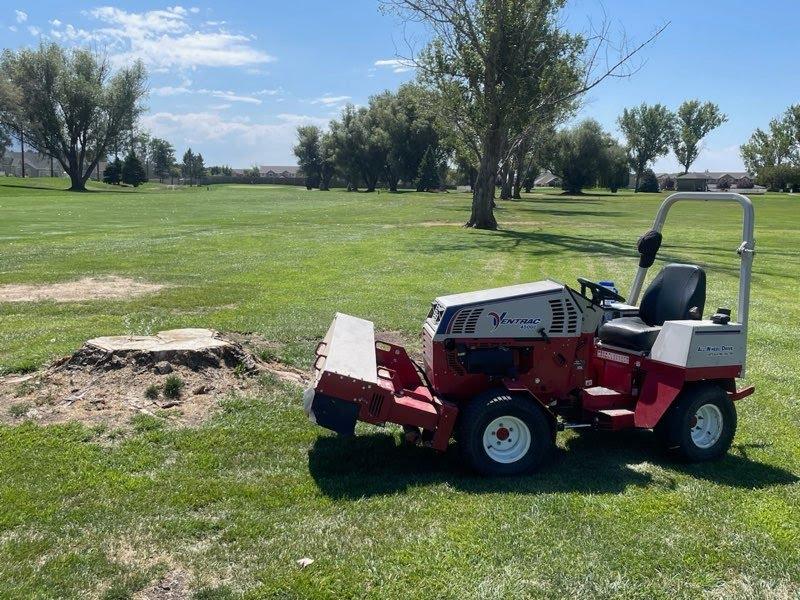
Tree Removal &
Stump Services
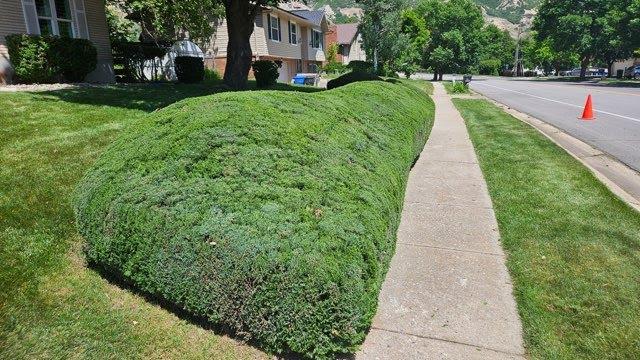
Tree Removal, Hazardous Tree Removal, Stump Grinding & Removal, Land Clearing.
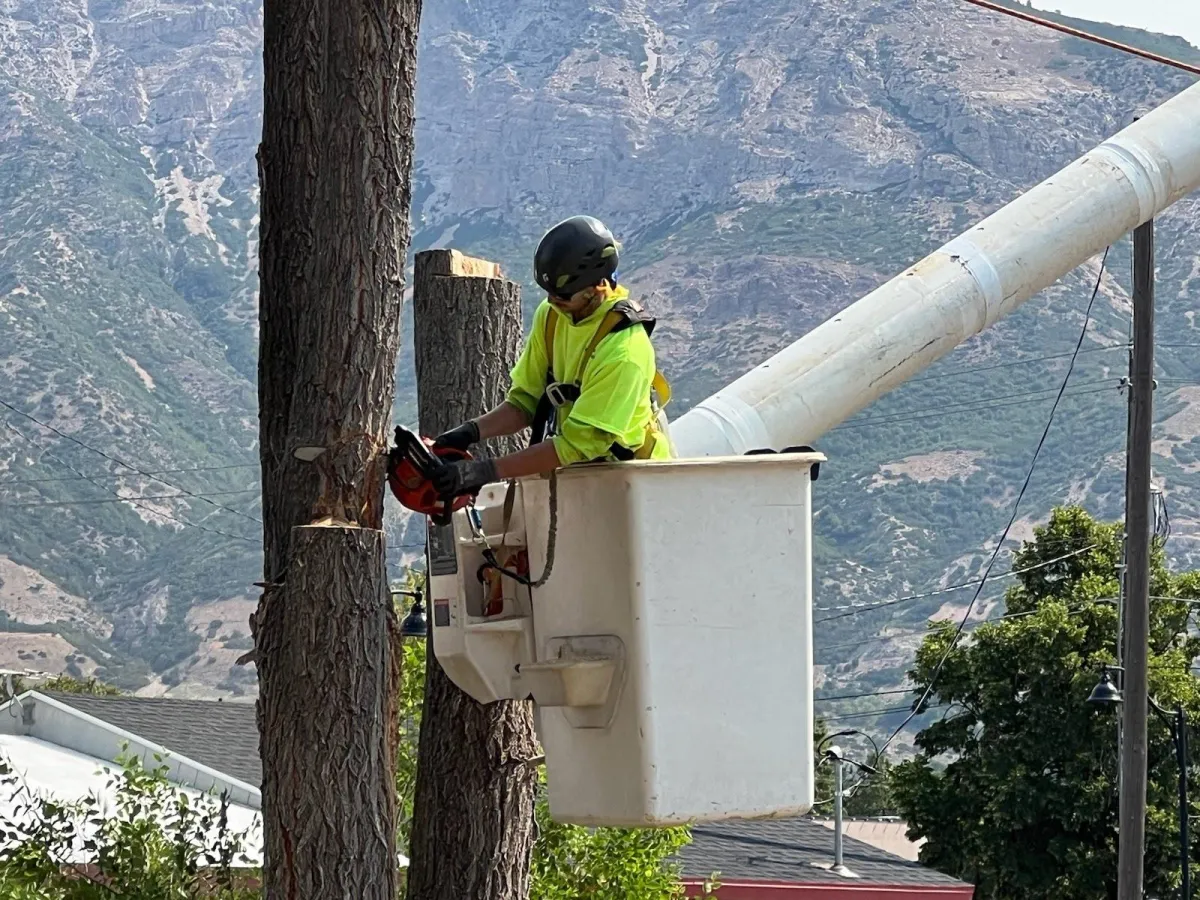
Tree & Shrub Care
Trimming & Pruning, Shrub & Landscape Maintenance, Fertilization, Treatment
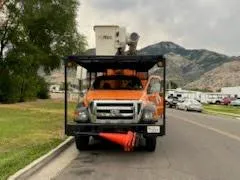
Emergency &
Storm Services
Emergency Tree Services, Storm Damage Response
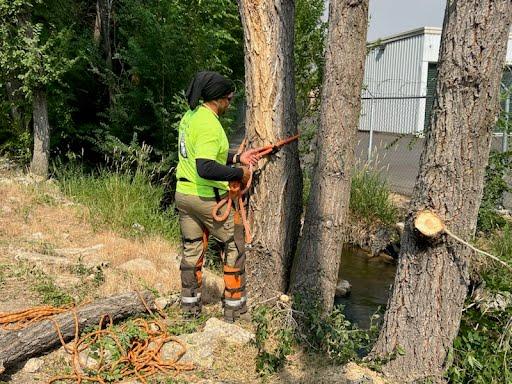
Tree Health & Structural Support
Diagnosis & Risk Management, Cabling, Bracing & Preservation
Why Choose Darrell’s?
Trusted, Local Tree Care Experts
Since 1981
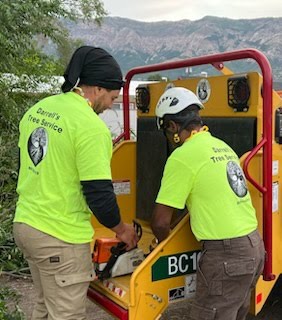
Here's what you get:
Locally Owned & Operated Since 1981
Certified, Experienced Arborists
Free, No-Obligation Estimates
Fully Licensed & Insured
Prompt, Thorough Cleanup, Every Job
4.6-Star Rated by Your Neighbors
Areas We Serve
CLIENT'S REVIEWS
WE HANDLE EVERYTHING FOR YOU
OVER
40
YEARS OF SERVICE
OVER
52,000
TREES TAKEN CARE OF
OVER
30
COMMUNITIES SERVED
Commercial Tree Service
We serve cities, churches, schools, hospitals, property management companies, HOAs, and businesses throughout the region. Our certified arborists and fully insured team deliver professional tree removal, pruning, stump grinding, and root grinding services tailored to meet the unique needs of commercial properties.
Whether you manage a municipal facility, institutional campus, apartment complex, or retail property, we provide reliable, efficient service that protects your investment and maintains your landscape's health and safety. From emergency storm response to routine maintenance, Darrell's Tree Service combines certified expertise with competitive pricing to keep your commercial property looking its best. Contact us today for a free estimate and discover why Weber County, Davis County, Box Elder County, and Salt Lake County trust us leading organizations trust us with their tree care needs.
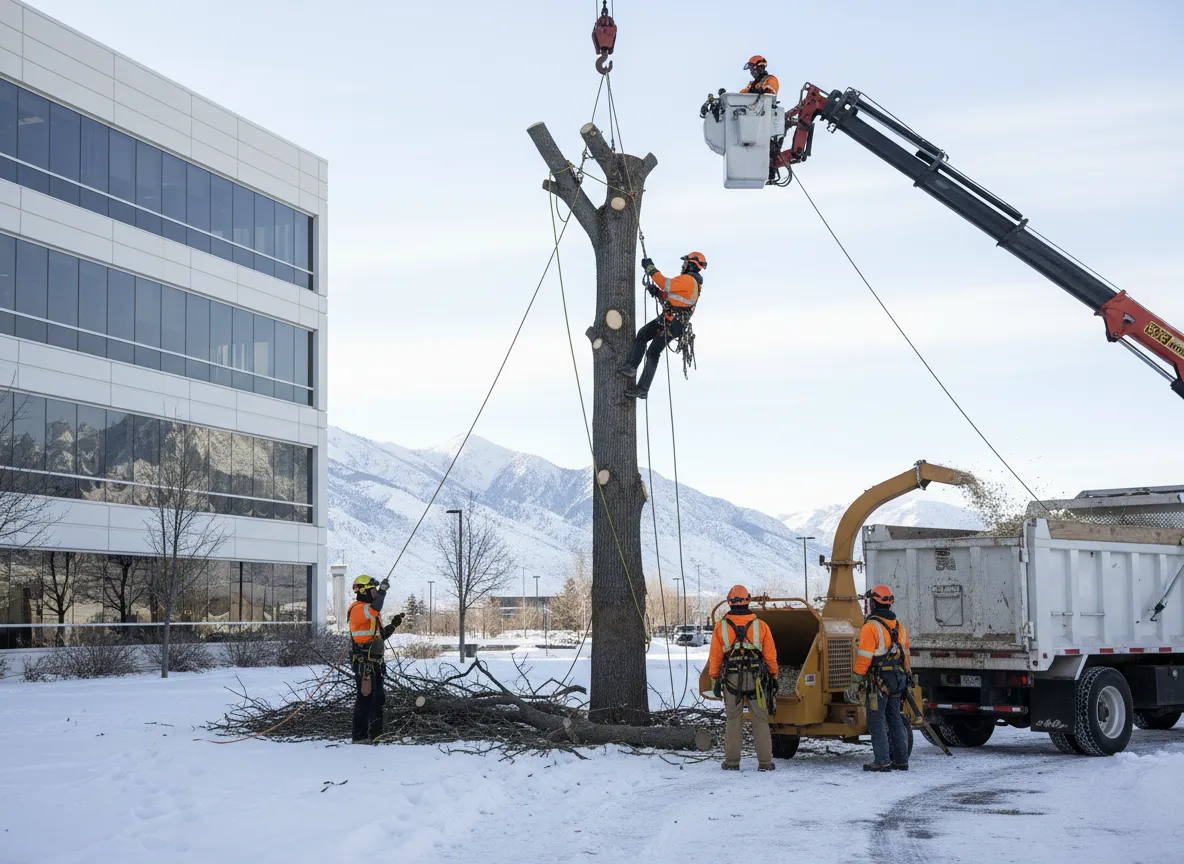
Residential Tree Service
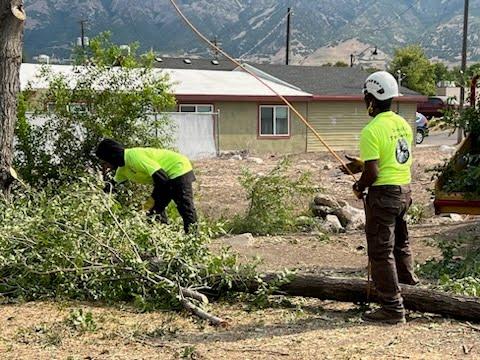
Darrell's Tree Service is the trusted choice for residential tree care throughout Ogden, Layton, Salt Lake City, and surrounding Northern Utah communities. With over 40 years of local expertise, our certified arborists deliver professional tree removal, pruning, stump grinding, and root grinding services designed to protect your home and property. Whether you're dealing with storm damage, overgrown trees threatening your foundation, or routine maintenance to keep your landscape healthy and safe, our fully insured team provides reliable, efficient service at competitive prices.
We understand that your home is your most valuable investment, which is why we treat every residential project with the care and attention it deserves. From emergency 24/7 response to scheduled maintenance, Darrell's Tree Service combines certified expertise with transparent pricing and exceptional customer service. Contact us today for a free estimate and experience why homeowners from as far North as Logan and Tremonton to Salt Lake City and everything in between Northern Utah.
RECENT POSTS
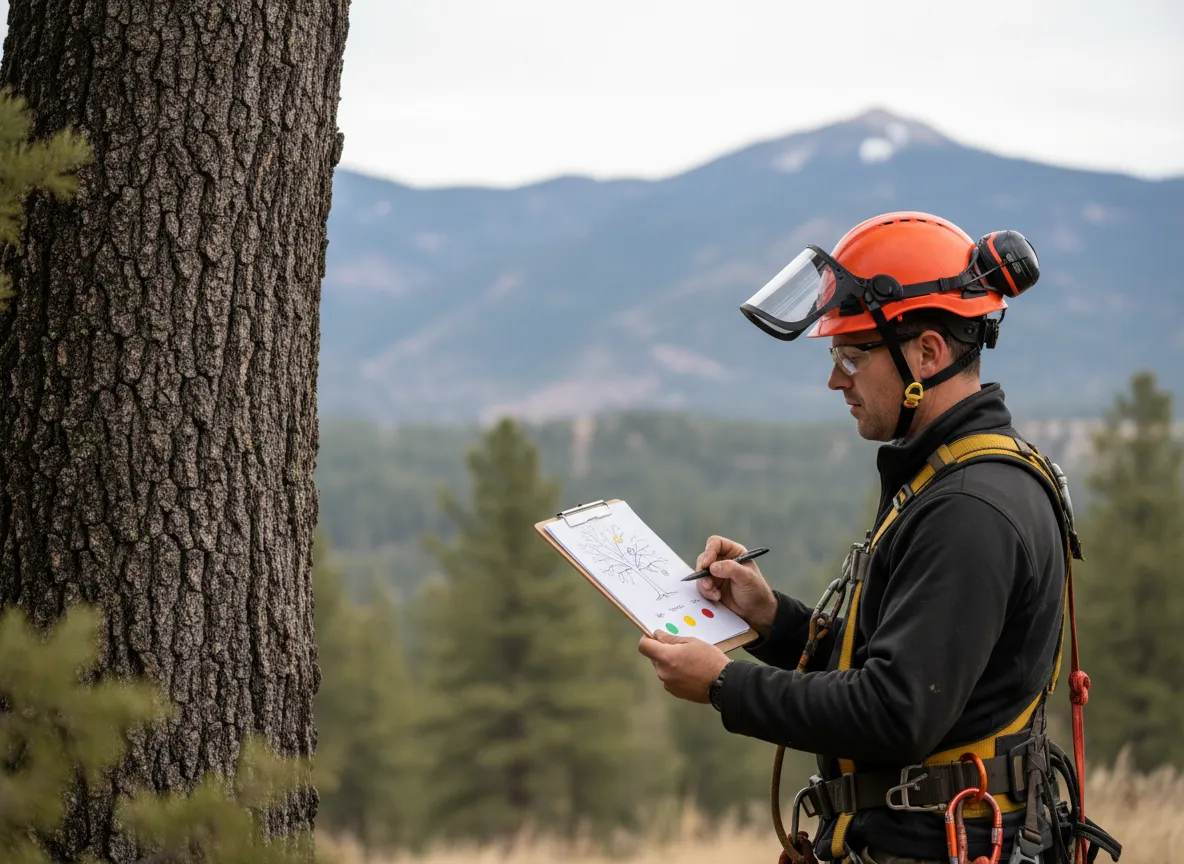
Arborist Assessment in Utah: What an Arborist Looks For (and What You’ll Learn) | Darrell’s Tree Service
If you manage a property in Ogden, Layton, or anywhere along the Wasatch Front, you’ve probably had that moment: you look at a tree and think, “Is that… normal?” Maybe it’s leaning a little more than it used to. Maybe a big limb is hanging over a parking lot, sidewalk, or roofline. Or maybe everything looks “fine,” but you’re heading into another Northern Utah windstorm season and you’d rather not gamble.
That’s exactly where an arborist assessment in Utah helps. It takes the guesswork out of tree decisions—so you can feel confident you’re protecting people, property, and the long-term health of your landscape.
What is an arborist assessment?
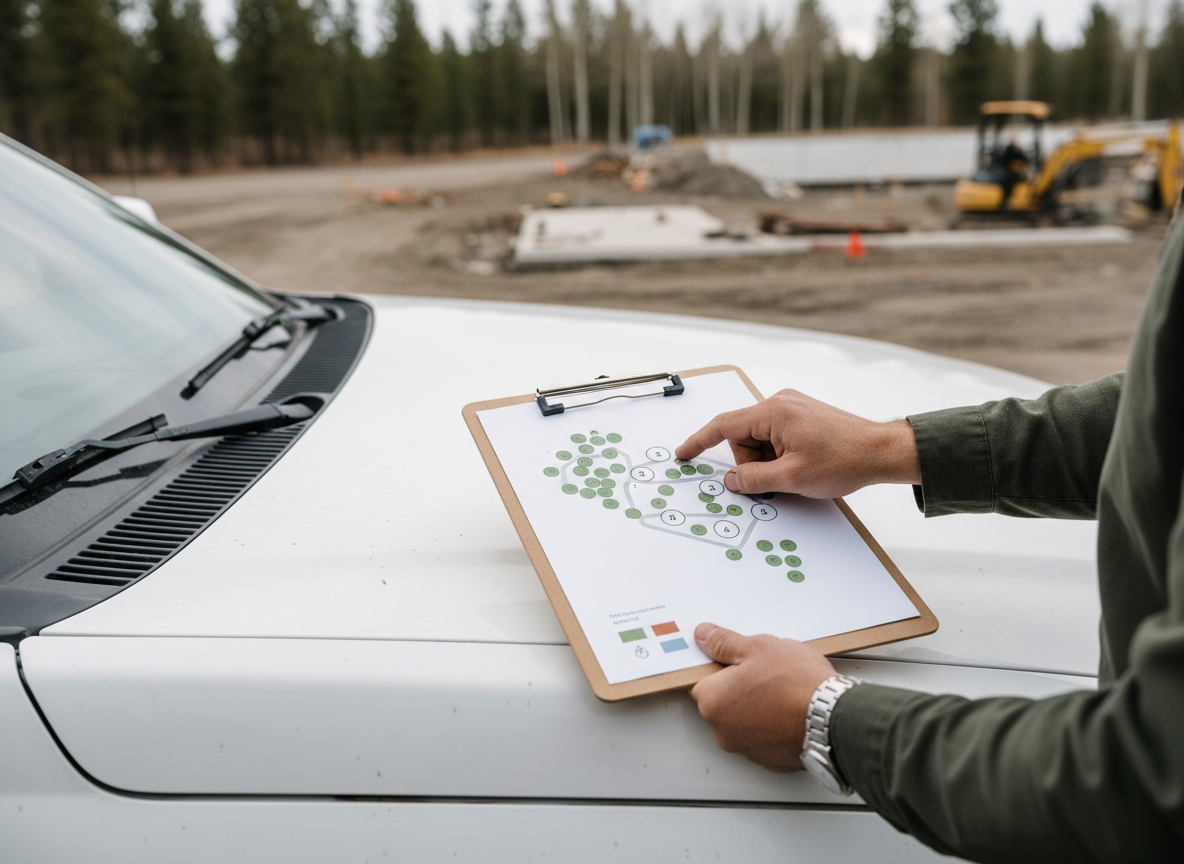
An arborist assessment is a professional evaluation of a tree (or multiple trees) to understand:
Safety risks (for people, buildings, vehicles, and foot traffic)
Tree health (stress, disease, pests, structural weakness)
Maintenance needs (pruning, cabling/bracing, treatment, removal)
Site conditions (soil, irrigation, grade changes, construction impacts)
Think of it like a checkup—except instead of blood pressure and lab work, an arborist is reading canopy structure, bark, branch unions, root flare, and the subtle signs that a tree is struggling.
For commercial properties—HOAs, churches, retail centers, schools, office parks, and municipalities—this kind of assessment is especially valuable because it supports:
Liability reduction
Budget planning
Safer public spaces
Cleaner, better-looking landscapes
What an arborist looks for during an assessment (the real checklist)
Every tree is different, but a certified arborist generally evaluates the same core areas. Here’s what we’re looking at—and what it means for you.
1. Overall structure and canopy balance
We start by stepping back and reading the tree’s “shape.” A healthy tree usually has a balanced canopy and strong branch structure.
We’re watching for:
Unbalanced weight (heavy limbs on one side)
Over-extended limbs that are more likely to fail in wind or snow
Poor past pruning (topped trees, lion-tailing, stub cuts)
In Northern Utah, heavy wet snow and sudden wind gusts can turn a minor imbalance into a major break. If your tree is over a parking area, playground, or walkway, this matters.
2. Branch unions, cracks, and weak attachments
Some breaks happen because a limb was dead. Others happen because the limb was attached poorly.
We inspect:
Included bark (a common structural weakness)
Cracks at branch junctions
Splits in the trunk or major leaders
Previous break points that didn’t heal well
These are the kinds of issues that can look “fine” from the ground—until a storm exposes them.
3. Deadwood and declining limbs
Dead branches aren’t just a cosmetic issue. They’re a predictable failure point.
During an arborist assessment in Utah, we identify:
Dead limbs in the canopy
Branches with poor leaf-out
Dieback at the tips
Hanging or broken limbs after storms
For commercial properties, deadwood over sidewalks and parking stalls is a liability you don’t want to carry.
If you suspect deadwood, our tree trimming and pruning services can often remove hazards and improve canopy health in one visit: https://darrellstreeservices.com/tree-trimming-pruning
4. Trunk condition: decay, cavities, and damage
The trunk is the tree’s main support. If it’s compromised, the whole tree becomes unpredictable.
We look for:
Cavities and hollows
Fungal growth (often a sign of internal decay)
Old wounds from impact, equipment, or construction
Sunscald and bark splitting (common with temperature swings)
Northern Utah’s freeze/thaw cycles can widen cracks and stress already-damaged tissue—especially on exposed trees.
5. Root flare, soil, and stability
A lot of tree problems start below ground.
An arborist will check:
Whether the root flare is visible (or buried too deep)
Signs of girdling roots
Soil compaction (common in high-traffic commercial areas)
Evidence of root disturbance from trenching, concrete work, or grade changes
If a tree is leaning, we’re not just looking at the lean—we’re asking why.
6. Signs of pests and disease (Utah-specific realities)
Utah trees deal with their own set of stressors: drought cycles, irrigation issues, sudden cold snaps, and pest pressure.
During an arborist assessment, we’ll look for:
Unusual leaf discoloration or early drop
Boring dust, exit holes, or bark damage
Sap flow or oozing
Cankers and dieback patterns
If you’re worried about beetle activity, we can also discuss targeted options like pine beetle control when appropriate: https://darrellstreeservices.com/pine-beetle-control
7. Clearance and conflicts (buildings, power lines, traffic)
For businesses and commercial properties, clearance is a big deal.
We assess:
Branches over roofs, signage, and HVAC units
Clearance over parking lots and drive lanes
Interference with streetlights or security cameras
Proximity to power lines
Sometimes the “best” recommendation isn’t removal—it’s strategic pruning to reduce risk and prevent expensive damage.
8. Storm readiness (because Northern Utah storms are no joke)
If you’ve lived through a few Wasatch Front windstorms, you already know: trees don’t fail randomly. They fail where they’re weak.
An arborist assessment in Utah often includes storm-readiness recommendations like:
Weight reduction pruning
Removing deadwood and hangers
Identifying trees that should be cabled/braced
Flagging trees that are high-risk and may need removal
If a tree is already hazardous or storm-damaged, our emergency tree removal team can help quickly and safely: https://darrellstreeservices.com/emergency-tree-removal
What you’ll learn from an arborist assessment (your takeaways)
A good assessment shouldn’t leave you with vague advice. You should walk away with clarity.
Here’s what you can expect to learn:
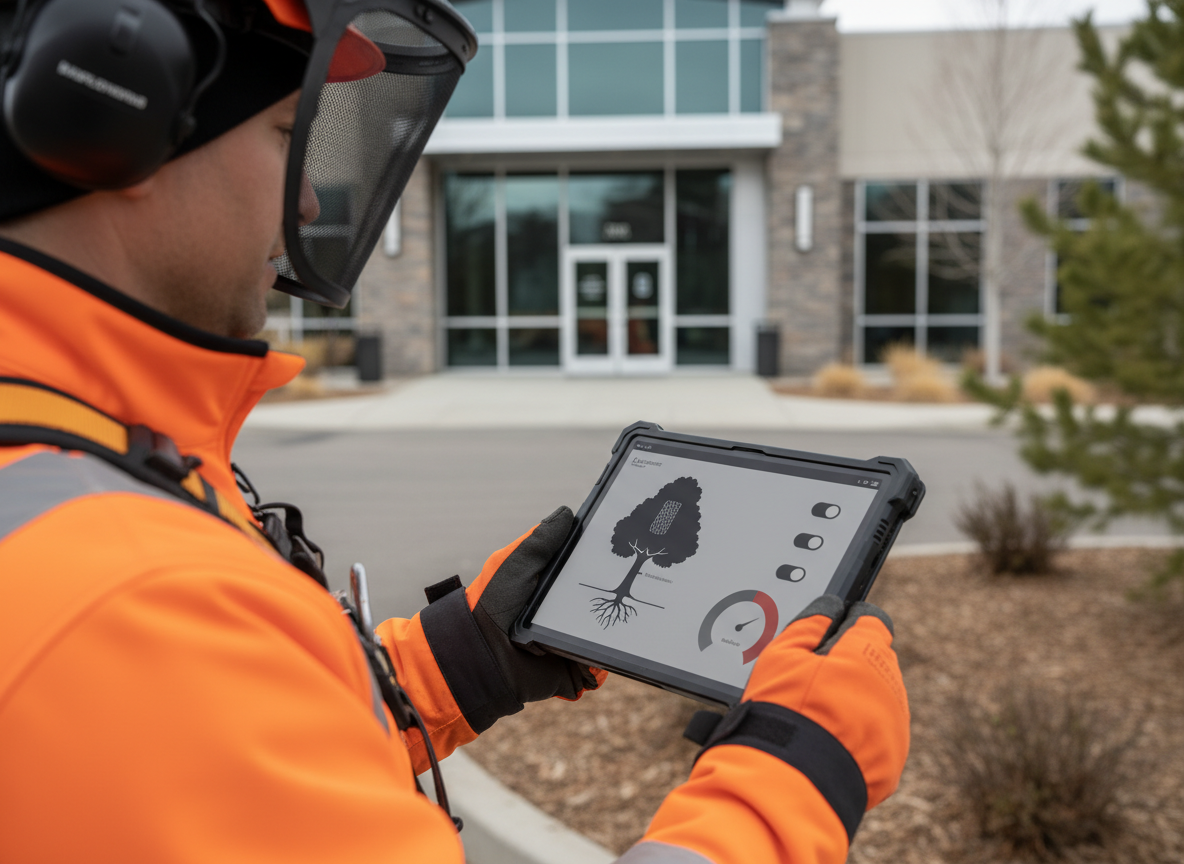
A clear risk picture
You’ll understand which trees (or limbs) are:
Low concern (monitor only)
Moderate concern (prune or treat)
High concern (needs action soon)
For commercial properties, this is huge for planning—especially if you’re managing multiple sites or reporting to a board.
A practical maintenance plan
Instead of “do everything,” you’ll get prioritized recommendations, often broken into:
Now (safety-related)
This season (health and structure)
Long-term (ongoing pruning cycles)
Options—not pressure
Sometimes removal is the right call. Sometimes it isn’t.
A trustworthy arborist will explain:
What’s happening
Why it matters
What your options are
What the likely outcomes look like
That’s the goal: you feel informed, not pushed.
Commercial properties: why assessments are worth it (even when trees “look fine”)
If you’re a property manager, HOA board member, church facilities lead, or responsible for a city or school property, you’re balancing safety, budgets, and appearances.
An arborist assessment helps you:
Reduce the chance of a sudden limb failure over public areas
Document proactive care (helpful for liability)
Plan pruning and removals in a budget-friendly way
Keep landscapes looking professional and well-maintained
It’s also a smart move before:
Renovations or construction
Parking lot resurfacing
Irrigation changes
New signage or lighting installs
Because once roots are cut or soil is compacted, tree decline can show up months later.
Residential properties: when should you schedule an arborist assessment?
Homeowners often call when something feels “off,” but you don’t have to wait for a crisis.
Consider an arborist assessment in Utah if:
A tree is leaning more than it used to
You see cracks, cavities, or mushrooms near the base
Large limbs hang over your home, driveway, or neighbor’s fence
The canopy looks thin, uneven, or is losing leaves early
You’ve had recent storm damage
You’re buying or selling a home with mature trees
If removal is needed, we handle it safely and cleanly with professional equipment and thorough cleanup: https://darrellstreeservices.com/tree-removal
What makes Utah tree assessments different?
Northern Utah trees live in a unique mix of stressors:
Heavy snow loads that snap over-extended limbs
Windstorms that exploit weak branch unions
Freeze/thaw cycles that expand cracks and damage bark
Drought swings that stress trees and invite pests
Irrigation patterns that can be too much, too little, or inconsistent
A local team that understands Ogden-area conditions (and the broader Wasatch Front) can spot patterns faster—and recommend solutions that actually fit our climate.
What happens after the assessment? Common recommendations
Every property is different, but here are the most common next steps we recommend after an arborist assessment in Utah.
Pruning for safety and structure
Strategic pruning can:
Reduce limb weight
Improve clearance
Remove deadwood
Encourage healthier growth
Learn more about our pruning approach here: https://darrellstreeservices.com/tree-trimming-pruning
Cabling and bracing (when a tree is worth supporting)
Some mature trees have weak unions but are otherwise valuable and healthy. In those cases, cabling/bracing may reduce failure risk.
Treatment and tree health support
If we find early signs of stress, pests, or disease, we may recommend:
Targeted treatments
Soil and watering adjustments
Mulching and root-zone protection
Removal (when risk outweighs benefit)
Sometimes the safest option is removal—especially when a tree is structurally compromised or already failing.
If that’s the case, we’ll talk through:
The safest removal plan
Access and equipment needs
Cleanup expectations
Stump options
For stump grinding/removal details, see: https://darrellstreeservices.com/stump-grinding
How to prepare for an arborist assessment (so you get the most value)
You don’t need to do much, but a little prep helps.
Make a quick list of concerns (leaning, dead limbs, past storm damage)
Note any recent changes (construction, trenching, irrigation updates)
If it’s a commercial site, identify high-traffic areas and liability zones
If possible, ensure gates are unlocked and access is clear
And if you’re managing multiple properties, we can help you prioritize which sites need attention first.
Why Darrell’s Tree Service is a solid choice for assessments in Northern Utah
When you’re making decisions that affect safety and property value, you want experience and straight answers.
Darrell’s Tree Service has been serving Northern Utah since 1981, and our approach is simple:
Safety-first work practices
Licensed and insured service
Clear recommendations you can understand
Professional equipment and careful property protection
Thorough cleanup that doesn’t leave you with a mess
Whether you’re responsible for a commercial property in Riverdale or a home in Pleasant View, the goal is the same: you feel confident about what’s happening with your trees and what to do next.
Ready for a second set of eyes? (Soft CTA)
If you’re in Ogden, North Ogden, Pleasant View, Harrisville, Riverdale, Roy, Clinton, Clearfield, Sunset, Layton, South Weber, West Haven, Hooper, Farr West, Marriott-Slaterville, or Brigham City, and you want a clear, professional arborist assessment in Utah, I’d love to help.
Schedule a consultation or request an estimate here: https://darrellstreeservices.com/appointment
Quick Q&A / FAQs about arborist assessments in Utah
How much does an arborist assessment cost in Utah?
Costs vary based on the number of trees, access, and whether you need a simple safety check or a more detailed evaluation. The best way to get an accurate number is to schedule a consultation so we can understand your property and goals.
How long does an arborist assessment take?
A single-tree assessment can be fairly quick, while a commercial property with multiple trees may take longer. Time depends on tree count, site size, and complexity (access, hazards, and documentation needs).
How often should a commercial property get trees assessed?
Many commercial properties benefit from a routine schedule—especially before storm season or after major weather events. If you manage an HOA, church, retail center, or municipal space, regular assessments help with budgeting and risk reduction.
Can an arborist tell if a tree needs to be removed?
Yes—an arborist can identify structural issues, decay indicators, root problems, and risk factors that make removal the safest option. Just as important, a good assessment can also confirm when a tree doesn’t need removal.
What’s the difference between tree trimming and an arborist assessment?
An assessment is the evaluation and recommendations. Tree trimming/pruning is the work performed based on those recommendations. Many times, an assessment leads directly into a pruning plan.
Do you offer emergency assessments after storms?
Yes. If a storm leaves hanging limbs, splits, or sudden leaning, it’s smart to get an expert look quickly—especially around buildings, parking lots, and walkways. For urgent situations, check our emergency services page: https://darrellstreeservices.com/emergency-tree-removal
Will you haul away debris and clean up?
Yes—thorough cleanup is part of professional tree work. We aim to leave your property looking better than we found it.

Serving Ogden and Northern Utah with trusted, certified tree care since 1981.


