BLOG
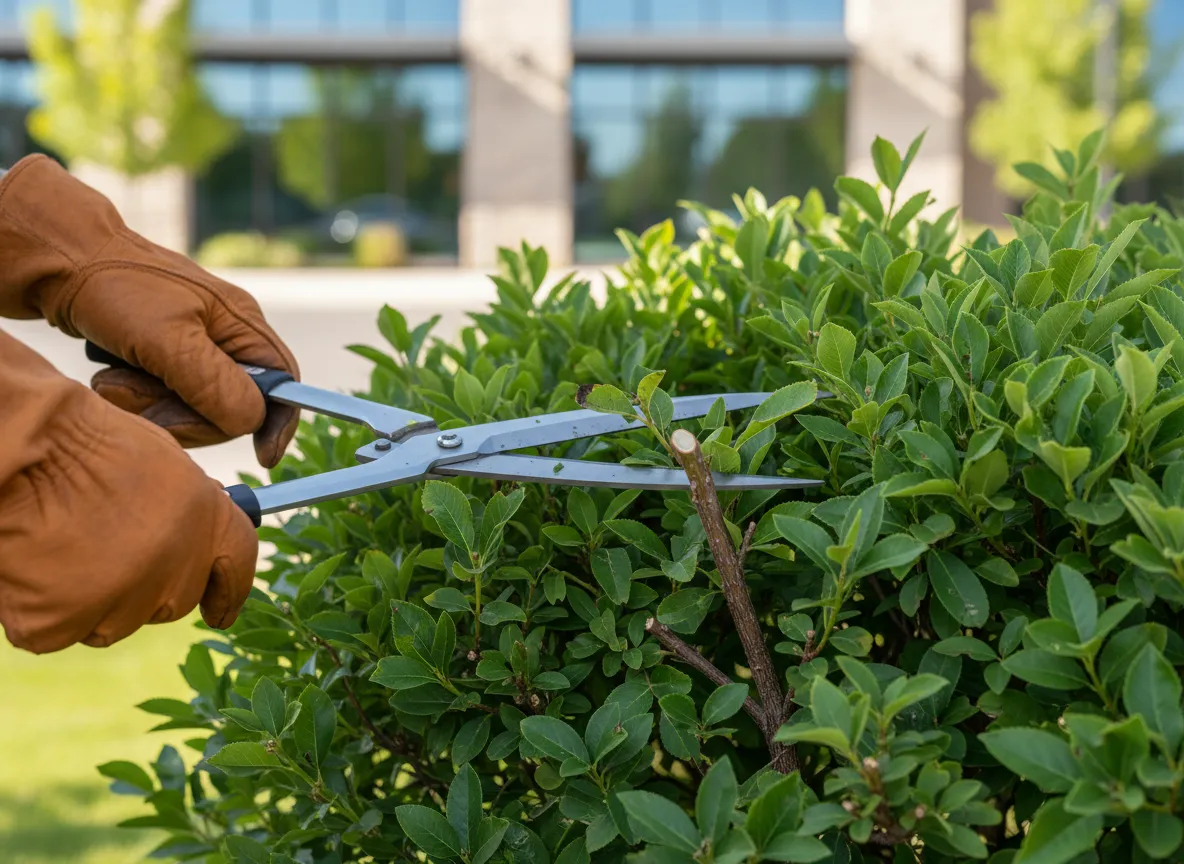
Shrub Trimming in North Ogden, Utah | Darrell’s Tree Service
North Ogden has a way of making landscaping feel almost effortless—until your shrubs start swallowing sidewalks, blocking signage, or turning into a tangled mess after a windy Wasatch Front storm. Whether you manage a commercial property, an HOA entrance, a church campus, or you’re a homeowner who just wants clean curb appeal, shrub trimming in North Ogden, UT is one of those small maintenance items that quietly protects your investment and keeps everything looking sharp.
Below I’ll walk you through what good shrub trimming actually does (beyond “making it look nice”), the best seasons for Northern Utah, common mistakes we see all the time, and when it’s smarter (and safer) to bring in a pro.

Why shrub trimming matters (especially for commercial properties)
For businesses and commercial properties, shrubs aren’t just “decor.” They’re part of how people experience your property—first impressions, safety, accessibility, and even liability.
Here’s what consistent trimming helps with:
- Curb appeal and brand perception: A neat entryway reads “well-managed.” Overgrown shrubs read “neglected,” even if the inside of your building is spotless.
- Visibility and access: Shrubs can block signs, entrances, walkways, fire lanes, and ADA routes faster than most people realize.
- Security: Dense, overgrown shrubs can create hiding spots near doors and windows.
- Plant health: Proper cuts encourage healthy growth and reduce dead interior branches.
- Pest and disease prevention: Overcrowded shrubs hold moisture and restrict airflow—two things that invite problems.
If you’re a property manager or facilities lead, trimming is one of the easiest ways to keep the site looking “buttoned up” without a major spend.
What “good” shrub trimming looks like (not the butchered box look)
A lot of people have seen shrubs trimmed into tight squares or perfect balls. Sometimes that’s intentional. But often it’s the result of trimming the outside only—over and over—until the shrub becomes a dense shell with dead wood inside.
A healthier approach usually includes:
- Selective thinning (removing some interior stems) to improve airflow and light
- Maintaining the shrub’s natural shape (so it looks clean but not artificial)
- Tapering (slightly wider at the bottom than the top) so lower branches still get sunlight
- Removing dead, damaged, or crossing branches so the plant isn’t fighting itself
For many common Northern Utah shrubs, this style of trimming keeps them fuller, greener, and easier to maintain long-term.
Common shrubs we see around North Ogden and the Wasatch Front
North Ogden landscaping tends to include hardy shrubs that can handle cold winters, hot summers, and the occasional wind event.
Some of the most common include:
- Junipers (great coverage, but easy to over-trim into brown patches)
- Arborvitae (popular screens; needs careful timing and technique)
- Boxwood (clean look, but can struggle if airflow is poor)
- Lilac (beautiful blooms—if you trim at the right time)
- Spirea (for color and texture; responds well to rejuvenation pruning)
- Burning bush (bright fall color; needs shaping to avoid leggy growth)
If you’re not sure what you have, that’s normal. A quick on-site look usually tells us what the shrub wants—and what it doesn’t.
Best time of year for shrub trimming in North Ogden, Utah
Timing matters in Northern Utah because our seasons swing hard: freezing temperatures, heavy snow years, spring wind, and then summer heat.
Here’s a practical guide.
Late winter to early spring (before new growth)
This is often a great time for:
- Structural shaping
- Thinning
- Removing winter damage
Why it works: the plant is still dormant, and you can see the structure clearly. It’s also easier to clean up before the busy spring growth period.
Spring (after flowering for certain shrubs)
This is the “don’t ruin the blooms” season.
- Lilacs, forsythia, and other spring bloomers should typically be trimmed after they flower, because they set next year’s buds on old wood.
If you trim too early, you’re basically cutting off the show you were waiting for.
Summer (light maintenance trimming)
Summer is best for:
- Touch-ups
- Keeping walkways clear
- Reducing overgrowth near entrances and signage
In peak heat, we avoid aggressive cuts that stress the plant—especially on commercial sites with reflective heat from asphalt and buildings.
Fall (use caution)
Fall trimming can be okay for light shaping, but in North Ogden we’re careful because:
- Fresh cuts can trigger new growth
- New growth can get damaged by early cold snaps
Winter (usually limited)
We can still remove broken branches or address safety issues, but most shrubs don’t benefit from heavy pruning in the dead of winter.
Shrub trimming vs. pruning: what’s the difference?
People use these words interchangeably, but they’re not the same.
- Trimming is usually about shape and size control.
- Pruning is more about plant health—removing dead wood, improving structure, reducing disease risk, and guiding growth.
A good maintenance plan typically includes both.
Common mistakes to avoid (we see these all the time)
If you only remember one section, make it this one. These mistakes are the reason shrubs look rough, thin, or half-dead by mid-summer.
1. Shearing everything into a tight outer shell
This creates a dense exterior that blocks sunlight from reaching the inside. Over time, the interior dies out and you’re left with a brittle, brown center.
2. Cutting too much at once
A heavy cut can shock the shrub—especially during summer heat or right before winter.
3. Trimming spring-blooming shrubs at the wrong time
If you trim lilacs early, you lose blooms. If you trim too late, you can reduce next year’s flowering.
4. Not tapering the shape
If the top is wider than the bottom, the lower branches get shaded out. The result is leggy growth and bare spots.
5. Ignoring safety and access on commercial sites
Overgrowth near sidewalks, parking lots, and entrances is a trip hazard and a visibility issue. It’s also one of the fastest ways to get complaints.
6. Leaving stubs or tearing branches
Bad cuts invite disease and dieback. Clean cuts matter.
A simple shrub trimming checklist for property managers
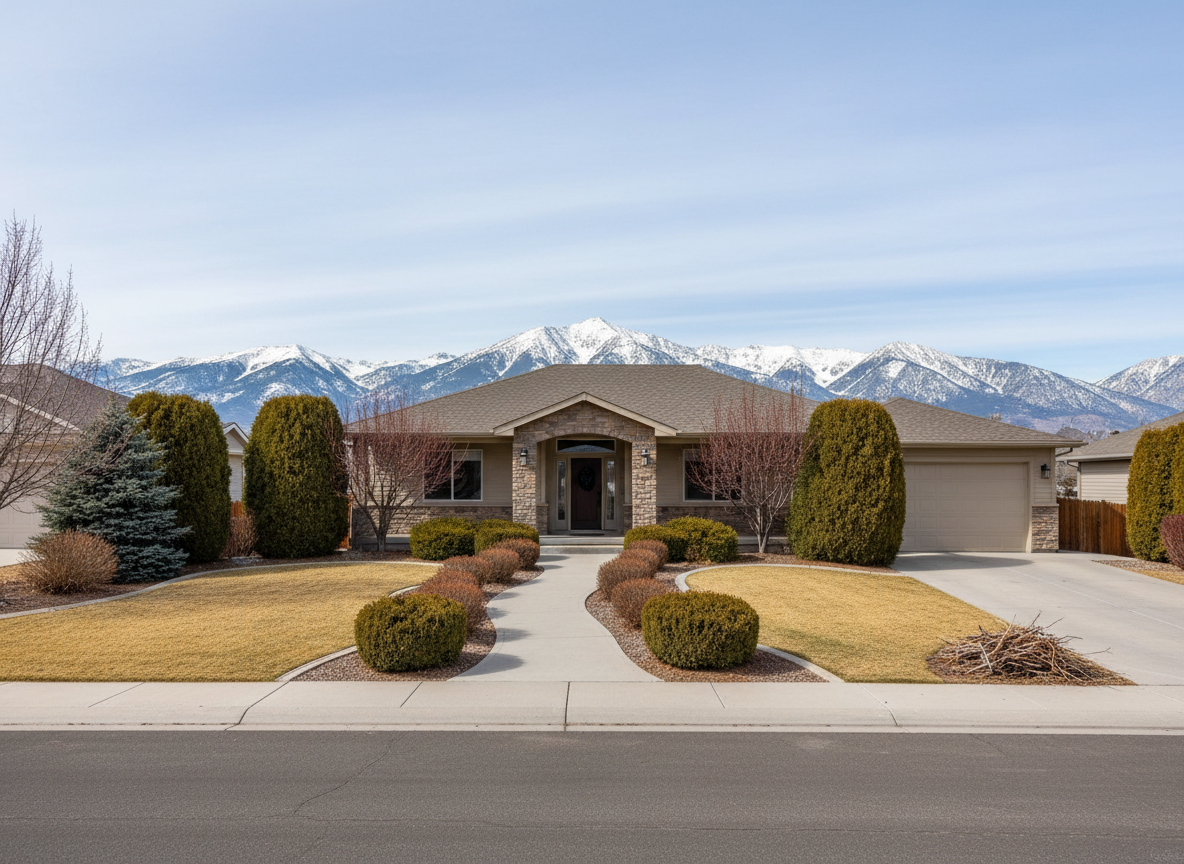
If you manage multiple sites (or you’re responsible for keeping one site “inspection-ready”), here’s a quick checklist that works well in North Ogden:
- Walk the property line and entrances monthly during spring/summer
- Check for shrubs blocking:
- Signs
- Walkways and ramps
- Parking visibility
- Fire hydrants and utility access
- Look for dead interior branches or thinning areas
- Note any shrubs rubbing against buildings or fences
- Plan a seasonal trim schedule (spring shaping + summer touch-ups)
If you want, Darrell’s Tree Service can help you set a predictable maintenance rhythm so you’re not scrambling right before an event or inspection.
How Northern Utah weather affects shrub growth
North Ogden and the Wasatch Front put shrubs through a lot:
- Snow load: Heavy snow can splay shrubs outward, crack branches, and permanently distort shape.
- Wind: Gusts can break brittle branches and dry out exposed foliage.
- Summer heat + drought: Stressed shrubs are more vulnerable to pests and dieback.
- Freeze/thaw cycles: These can damage roots and cause winter burn on certain evergreens.
That’s why timing and technique matter here more than in mild climates. A shrub that looks “fine” after a quick shear can still be set up for problems later in the season.
When it’s time to call a professional for shrub trimming in North Ogden, UT
Some trimming is totally DIY. But there are a few situations where professional help saves you time, prevents damage, and reduces risk.
Consider calling in help if:
- Shrubs are tall, dense, or near power lines
- You need consistent results across a commercial property
- You’re dealing with dead sections, disease, or major overgrowth
- You want a clean, natural shape (not the “hacked back” look)
- You don’t have time for cleanup and hauling
At Darrell’s Tree Service, we’re used to working on everything from HOA entrances to business storefronts to residential yards. We show up with the right equipment, prioritize safety, and leave the site clean.
Pairing shrub trimming with other services (smart, efficient maintenance)
If you’re already scheduling shrub work, it’s often the perfect time to bundle other property needs—especially for commercial sites.
Depending on your property, that might include:
- Shrub removal for overgrown or failing plants
- Tree trimming to reduce shade stress on shrubs and improve safety
- Tree removal for dead or hazardous trees impacting landscaping
- Stump grinding after removals to keep the site clean and usable
- Land clearing for renovations or new landscaping plans
You can explore related services here:
https://darrellstreeservices.com/tree-trimming/
https://darrellstreeservices.com/tree-removal/
https://darrellstreeservices.com/stump-grinding/
https://darrellstreeservices.com/land-clearing/
What to expect when you hire Darrell’s Tree Service
If you’ve been burned by contractors who don’t communicate—or who leave a mess—this part matters.
When you work with Darrell’s Tree Service, you can expect:
- Clear recommendations (what to trim, what to leave, and why)
- Safety-first work practices around pedestrians, vehicles, and buildings
- Professional equipment for clean cuts and efficient cleanup
- Respect for your property (especially important for storefronts and high-traffic areas)
- Thorough cleanup so your site looks better than when we arrived
We’ve been serving Northern Utah for decades, and we’re proud of the reputation that comes with that.
Quick FAQs about shrub trimming
How often should shrubs be trimmed?
Most shrubs do well with one main trim per year, plus light touch-ups for fast growers or high-visibility commercial areas.
Can you trim shrubs in summer?
Yes—light maintenance trimming is usually fine. We just avoid aggressive cuts during extreme heat.
What if my shrubs are already overgrown?
Overgrown shrubs can often be brought back with a multi-step approach (thinning, shaping, and sometimes rejuvenation pruning). Some shrubs recover beautifully; others are better replaced.
Do you service commercial properties in North Ogden?
Yes. We work with businesses, HOAs, churches, and property managers across North Ogden and the surrounding Northern Utah cities.
Serving North Ogden and surrounding Northern Utah communities
While this post focuses on shrub trimming in North Ogden, Utah, we also serve nearby areas across Northern Utah, including Ogden, Pleasant View, Harrisville, Riverdale, Roy, Clinton, Clearfield, Sunset, Layton, South Weber, West Haven, Hooper, Farr West, Marriott-Slaterville, and Brigham City.
If you’re managing multiple properties, we can help you keep everything looking consistent across locations.
Ready for cleaner curb appeal and healthier shrubs?
If your shrubs are overgrown, uneven, or just not looking as healthy as they should, we can help. For dependable shrub trimming in North Ogden, UT—with professional results and a clean finish—schedule a quick estimate.
Book here: https://darrellstreeservices.com/appointment

Serving Ogden and Northern Utah with trusted, certified tree care since 1981.
