
BLOG
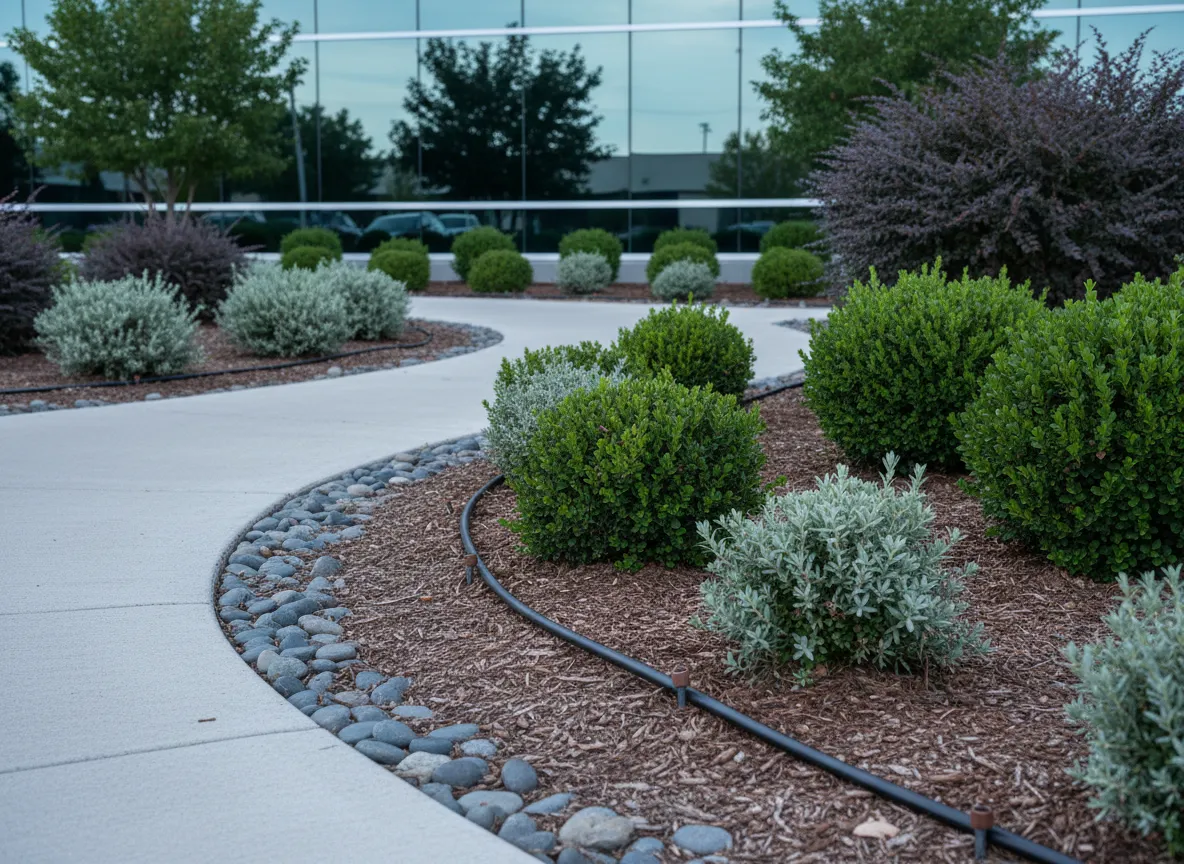
Shrub Care in Ogden, Utah: Watering, Pruning, and Pest Prevention | Darrell’s Tree Service
Shrub care in Ogden, Utah: why it matters more than you think
If you’ve ever looked at your shrubs in late summer and thought, “Why do these look stressed when I swear I’ve been watering?”—you’re not alone. Ogden’s hot, dry stretches, surprise wind, and swingy shoulder seasons can make shrub care feel like a moving target. The good news: with a few practical habits (and a little local know-how), you can keep shrubs looking full, green, and intentional—whether you’re maintaining a church property, an HOA entrance, a small business storefront, or your own backyard.
In this guide to shrub care in Ogden, I’ll walk you through the big three: watering, pruning, and pest prevention—plus a few “wish someone told me sooner” tips that help shrubs handle Northern Utah’s climate.
Quick snapshot: Ogden’s climate and what shrubs are up against
Shrubs in Northern Utah deal with a handful of repeat offenders:
- Heat + low humidity in summer that pulls moisture out of leaves and soil fast
- Wind that dries foliage and can snap weak or overgrown branches
- Cold snaps and heavy snow that split multi-stem shrubs or flatten them
- Irrigation issues (sprinklers that miss the root zone, overspray onto sidewalks, or inconsistent schedules)
- Soil challenges (compaction, poor drainage, or salty buildup in some areas)
That’s why “set it and forget it” rarely works here. Good shrub care Ogden style is about consistency and timing.
Watering shrubs in Ogden: how to do it right (and avoid the common mistakes)
Watering is the #1 place I see well-meaning property owners accidentally stress shrubs. Too little water is obvious. Too much water is sneakier—and it can cause root problems that look like drought stress.
The goal: deep watering, not frequent splashing
Shrubs do best when water reaches the root zone and encourages deeper roots. Light, frequent watering keeps roots shallow, which makes shrubs more vulnerable to heat and wind.
A simple rule of thumb:
- Water less often, but more deeply
- Adjust based on heat, wind, and soil type
If you manage a commercial property, deep watering also helps keep your landscaping more resilient when irrigation schedules get interrupted (which happens more than anyone wants to admit).

Drip irrigation vs. sprinklers (and why drip usually wins)
If you’re serious about long-term shrub care in Ogden, Utah, drip irrigation is usually the most efficient option.
- Drip delivers water right where shrubs need it (roots), reduces evaporation, and helps prevent fungal issues caused by wet leaves.
- Sprinklers can work, but they often waste water and may not soak deeply enough—especially if they’re timed too short.
If you’re using sprinklers, try to water early in the morning and make sure the spray actually reaches the shrub’s root zone—not just the lawn in front of it.
How often should you water shrubs in Ogden?
There’s no one perfect schedule, but here’s a practical starting point:
- Spring: 1–2 deep waterings per week (depending on rain and temps)
- Summer: 2 deep waterings per week (more during extreme heat or wind)
- Fall: taper down as temps drop, but don’t stop abruptly
Newly planted shrubs need more frequent watering at first because their roots haven’t spread out yet.
Watch for these signs you’re watering wrong
Underwatering signs:
- Wilting during the day that doesn’t bounce back by evening
- Crispy leaf edges
- Leaf drop in summer
- Slow growth
Overwatering signs:
- Yellowing leaves (especially inside the shrub)
- Mushy soil that stays wet for days
- Fungus or gnats around the base
- Dieback that looks random
If you’re unsure, check the soil a few inches down. If it’s dry, water. If it’s soggy, pause and let it breathe.
Mulch: the easiest upgrade for healthier shrubs
If I could pick one “do this first” tip for shrub care Ogden, it’s mulch.
Mulch helps:
- Hold moisture in the soil during hot weather
- Reduce weeds that steal water and nutrients
- Buffer temperature swings (hot days, cool nights)
- Protect roots from winter cold
How to mulch correctly (so you don’t create problems)
- Use 2–4 inches of mulch
- Keep mulch a few inches away from the base of the shrub (no mulch volcanoes)
- Refresh as it breaks down
Mulch volcanoes trap moisture against stems and can invite rot and pests. A clean “donut” shape is what you want.
Pruning shrubs in Ogden: timing, technique, and what not to do
Pruning is where a lot of shrubs get accidentally ruined—usually because someone is trying to “tidy up” quickly.
Good pruning should:
- Improve structure and airflow
- Remove dead/damaged wood
- Encourage healthy growth
- Keep shrubs from blocking walkways, signs, and entrances (big one for commercial properties)
The biggest pruning mistake: shearing everything into a box
Shearing creates a dense outer shell of leaves that shades the interior. Over time, the inside becomes thin and woody, and the shrub loses that full, healthy look.
Instead, aim for selective pruning:
- Remove a few thicker stems at the base to open the shrub
- Cut back to a branch junction (not random stubs)
- Step back often to keep a natural shape

When to prune shrubs in Northern Utah
Timing depends on whether your shrub blooms on old wood or new wood, but here are safe general guidelines:
- Late winter / early spring: great for many shrubs (structure, deadwood removal)
- Right after flowering: best for spring-blooming shrubs (so you don’t cut off next year’s blooms)
- Avoid heavy pruning in late fall: it can trigger tender new growth that gets damaged by cold
If you’re managing an HOA or commercial site, scheduling pruning at the right time can make a big difference in how your property looks during peak seasons.
Snow and wind damage: prune for prevention
Ogden and the Wasatch Front can get heavy, wet snow that sticks to branches. Multi-stem shrubs can split under that weight.
Preventive steps:
- Thin crowded stems so snow doesn’t pack in as easily
- Remove weak, crossing, or rubbing branches
- For vulnerable shrubs, consider seasonal tying (carefully) before major storms
If you’ve had shrubs split before, it’s worth addressing structure now rather than waiting for the next storm.
Fertilizing shrubs: keep it simple and don’t overdo it
Fertilizer can help, but it’s not a magic fix for poor watering or compacted soil.
A few practical tips:
- If shrubs look generally healthy, you may not need fertilizer every year
- Slow-release fertilizers are usually safer than quick “boost” products
- Over-fertilizing can cause fast, weak growth that’s more attractive to pests
If you’re not sure what your shrubs need, a soil test can save you money and guesswork.
Pest prevention: common shrub problems in Ogden (and what to look for)
Pests and diseases often show up when shrubs are already stressed—usually from watering issues, poor airflow, or damage.
Here are a few common patterns we see in Northern Utah.
Aphids
What you’ll notice: curled leaves, sticky residue (honeydew), ants, and sometimes black sooty mold.
What helps:
- A strong spray of water to knock them off
- Encouraging beneficial insects
- Avoiding over-fertilizing (which creates tender growth aphids love)
Spider mites
These are common during hot, dry weather.
What you’ll notice: tiny speckling on leaves, fine webbing, and a dull, dusty look.
What helps:
- Improving watering consistency
- Rinsing foliage occasionally (especially on dusty roadside shrubs)
- Targeted treatment when needed
Scale insects
Scale can look like little bumps on stems or leaf undersides.
What helps:
- Pruning out heavily infested branches
- Horticultural oils at the right time of year
Fungal issues (often tied to watering)
If leaves stay wet for long periods (especially with sprinklers), fungal problems can show up.
What helps:
- Water early in the day
- Improve airflow with selective pruning
- Avoid soaking foliage if possible
If you’re seeing widespread dieback or repeated issues year after year, it’s worth getting a professional set of eyes on it.
Shrub care for commercial properties: a few extra considerations
If you’re responsible for landscaping at a business, church, HOA, or managed property, shrub health isn’t just “nice to have.” It affects:
- Curb appeal and tenant satisfaction
- Safety and visibility near entrances, sidewalks, and parking lots
- Maintenance budgets (healthy shrubs cost less long-term)
A few practical best practices:
- Keep shrubs clear of signs, walkways, and lighting
- Watch for irrigation overspray that causes slippery sidewalks or stains
- Build a seasonal plan (spring cleanup, summer monitoring, fall prep)
If you want a consistent, professional look without constant emergency fixes, a proactive maintenance rhythm is the way to go.
When to call a pro for shrub care in Ogden
Some shrub issues are totally DIY-friendly. Others are the kind that quietly get worse until replacement is the only option.
Consider getting help if:
- Shrubs have significant dieback or repeated pest outbreaks
- You’re dealing with storm/snow damage and splitting
- You need pruning that keeps a natural shape (not a “hedge box”)
- You manage a commercial property and need predictable results
At Darrell’s Tree Service, we’ve been serving Northern Utah since 1981, and we bring the same safety-first, clean-work approach to shrubs that we bring to trees. If you’d like a second opinion or want help getting your landscaping back on track, I’m happy to help.
A simple seasonal checklist for shrub care in Ogden, Utah
Spring
- Check for winter damage
- Prune dead or broken branches
- Refresh mulch
- Confirm irrigation coverage
Summer
- Deep water consistently
- Watch for mites and aphids
- Light pruning only (as needed)
Fall
- Taper watering gradually
- Remove deadwood
- Avoid heavy late-season pruning
Winter
- After storms, gently remove heavy snow buildup when safe
- Plan pruning for late winter/early spring
Need help with shrub care in Ogden?
If you’re in Ogden, North Ogden, Pleasant View, Harrisville, Riverdale, Roy, Clinton, Clearfield, Sunset, Layton, South Weber, West Haven, Hooper, Farr West, Marriott-Slaterville, or Brigham City and want shrubs that look healthy (without guessing at watering schedules or pruning timing), book a quick estimate.
Schedule here: https://darrellstreeservices.com/appointment
And if you’re also dealing with trees on the property—pruning, risk concerns, or storm cleanup—you can explore our full services here: https://darrellstreeservices.com/.


Serving Ogden and Northern Utah with trusted, certified tree care since 1981.
