Darrell’s Tree Service
Trusted Residential and Commercial Tree Service for Northern Utah
Serving Ogden & The Wasatch Front Since 1981
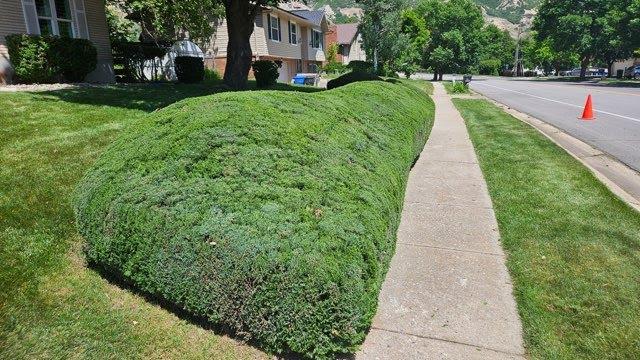
Healthy Trees.
Happy Propertys.
Peace of Mind.
For over 40 years, Darrell’s Tree Service has been Northern Utah’s go-to team for expert tree care, removal, and landscape solutions. Our certified arborists combine deep local knowledge with professional training to keep your property safe, beautiful, and thriving, season after season.
Our Services
OUR SERVICES
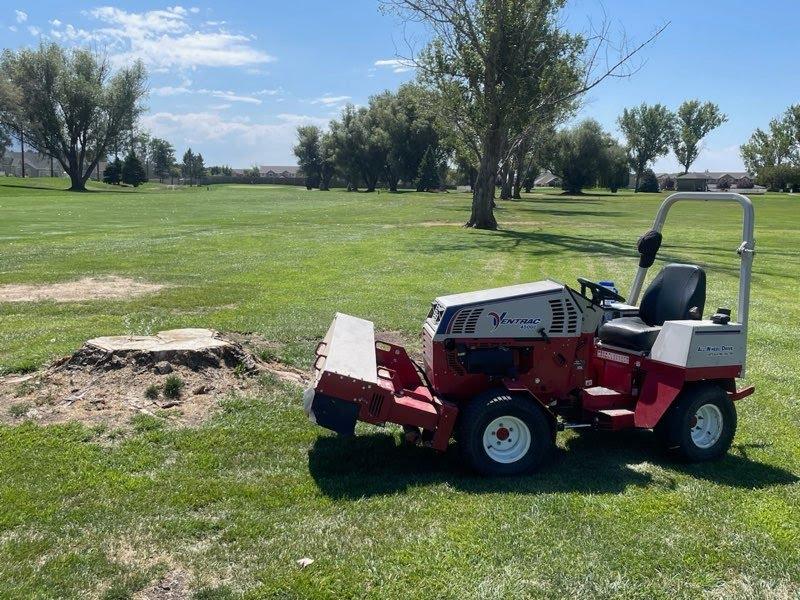
Tree Removal &
Stump Services
Tree Removal, Hazardous Tree Removal, Stump Grinding & Removal, Land Clearing.
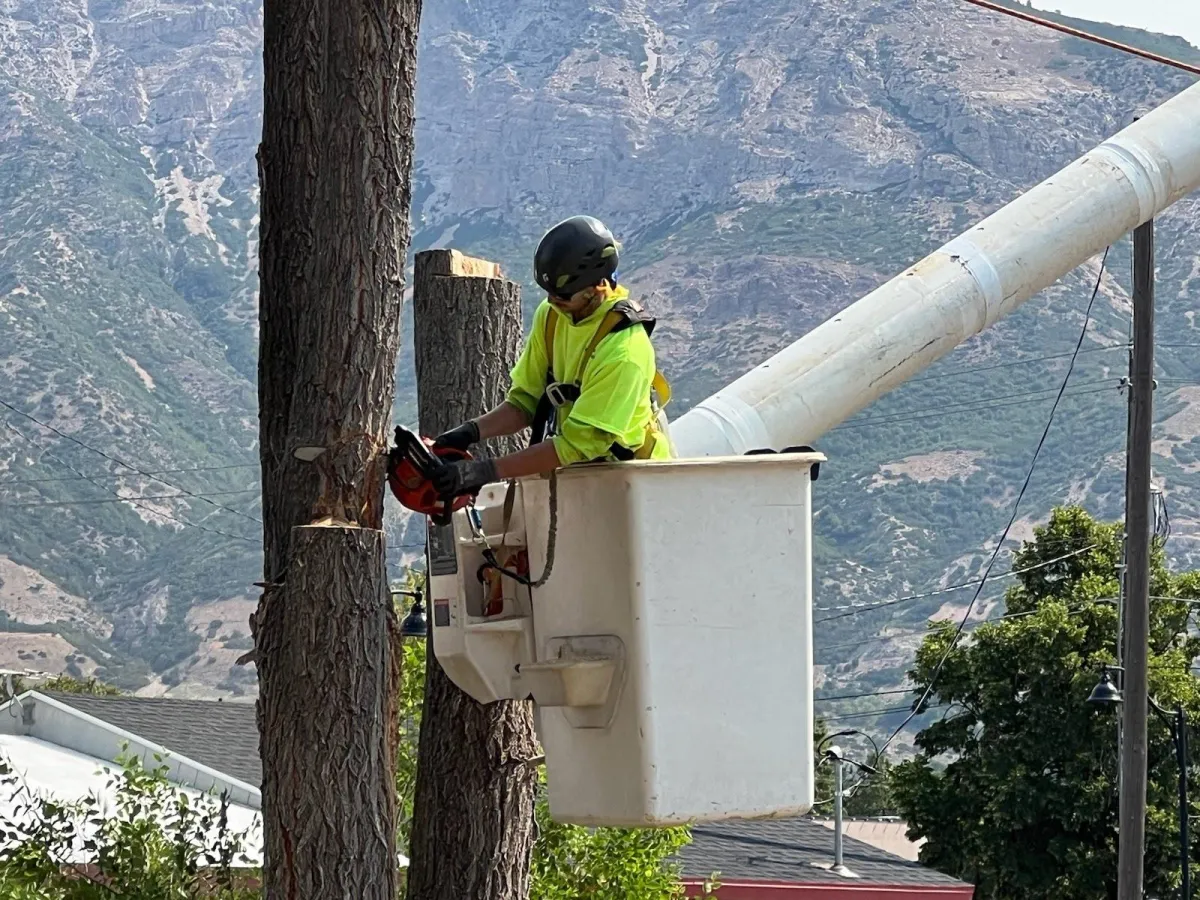
Tree & Shrub Care
Trimming & Pruning, Shrub & Landscape Maintenance, Fertilization, Treatment
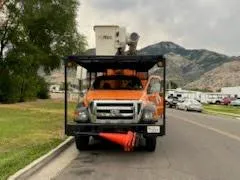
Emergency &
Storm Services
Emergency Tree Services, Storm Damage Response
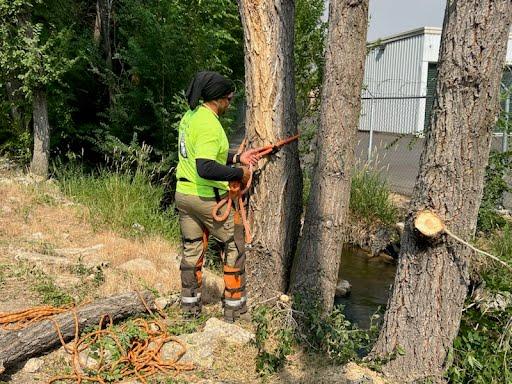
Tree Health & Structural Support
Diagnosis & Risk Management, Cabling, Bracing & Preservation
Why Choose Darrell’s?
Trusted, Local Tree Care Experts
Since 1981
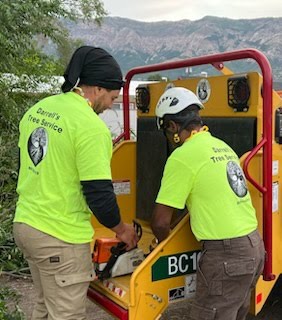
Here's what you get:
Locally Owned & Operated Since 1981
Certified, Experienced Arborists
Free, No-Obligation Estimates
Fully Licensed & Insured
Prompt, Thorough Cleanup, Every Job
4.6-Star Rated by Your Neighbors
Areas We Serve
CLIENT'S REVIEWS
WE HANDLE EVERYTHING FOR YOU
OVER
40
YEARS OF SERVICE
OVER
52,000
TREES TAKEN CARE OF
OVER
30
COMMUNITIES SERVED
Commercial Tree Service
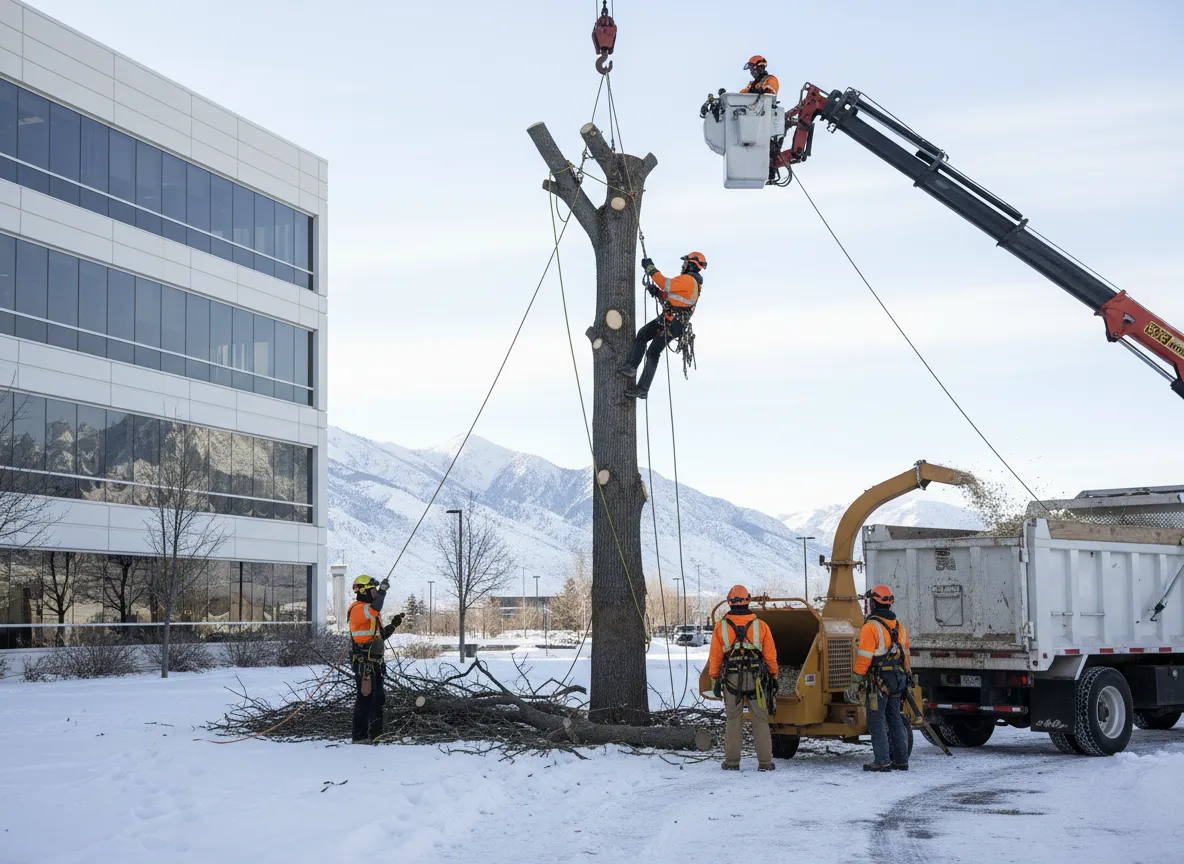
We serve cities, churches, schools, hospitals, property management companies, HOAs, and businesses throughout the region. Our certified arborists and fully insured team deliver professional tree removal, pruning, stump grinding, and root grinding services tailored to meet the unique needs of commercial properties.
Whether you manage a municipal facility, institutional campus, apartment complex, or retail property, we provide reliable, efficient service that protects your investment and maintains your landscape's health and safety. From emergency storm response to routine maintenance, Darrell's Tree Service combines certified expertise with competitive pricing to keep your commercial property looking its best. Contact us today for a free estimate and discover why Weber County, Davis County, Box Elder County, and Salt Lake County trust us leading organizations trust us with their tree care needs.
Residential Tree Service
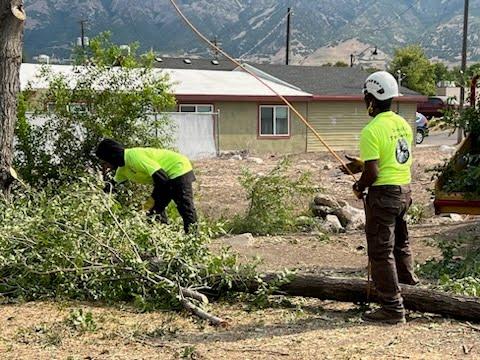
Darrell's Tree Service is the trusted choice for residential tree care throughout Ogden, Layton, Salt Lake City, and surrounding Northern Utah communities. With over 40 years of local expertise, our certified arborists deliver professional tree removal, pruning, stump grinding, and root grinding services designed to protect your home and property. Whether you're dealing with storm damage, overgrown trees threatening your foundation, or routine maintenance to keep your landscape healthy and safe, our fully insured team provides reliable, efficient service at competitive prices.
We understand that your home is your most valuable investment, which is why we treat every residential project with the care and attention it deserves. From emergency 24/7 response to scheduled maintenance, Darrell's Tree Service combines certified expertise with transparent pricing and exceptional customer service. Contact us today for a free estimate and experience why homeowners from as far North as Logan and Tremonton to Salt Lake City and everything in between Northern Utah.
RECENT POSTS
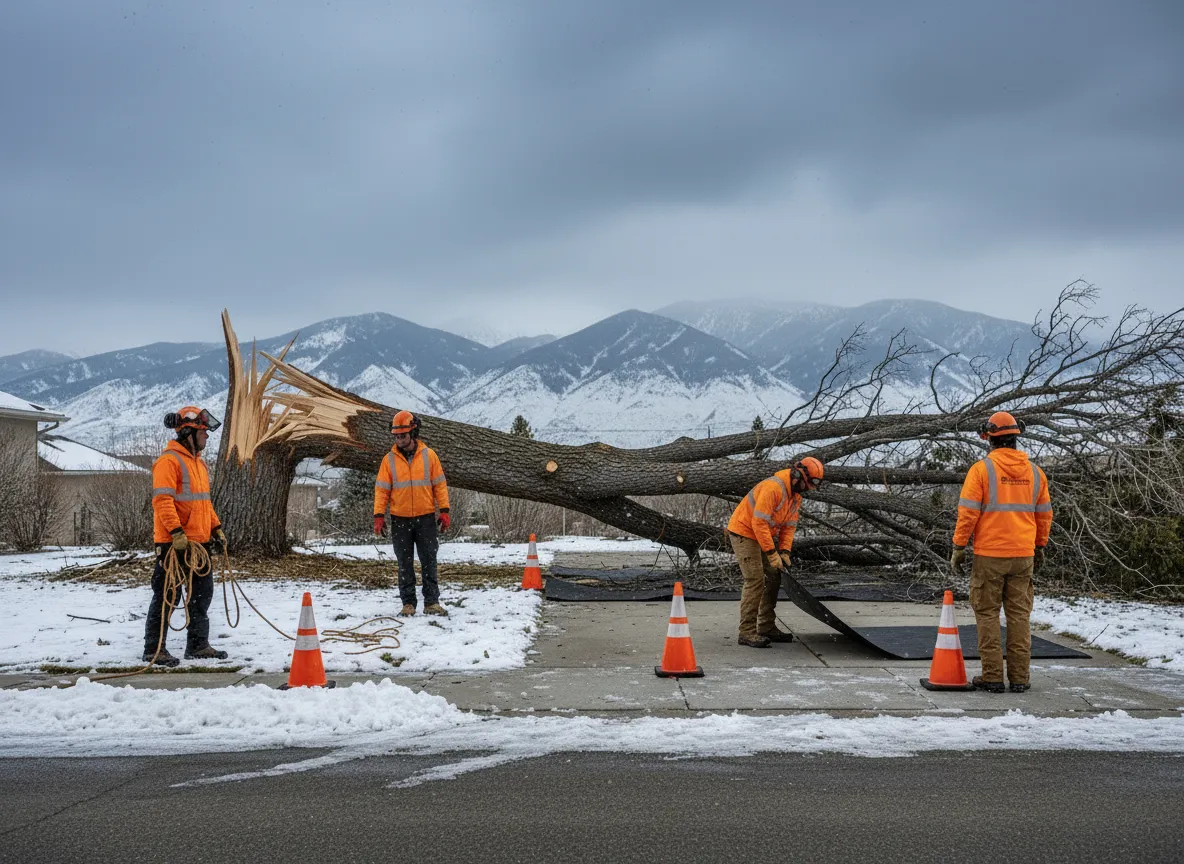
Winter Tree Removal in Utah: Is It Cheaper or Safer? Pros, Cons, and Timing | Darrell’s Tree Service
Why winter tree removal is a common question in Northern Utah
Our winters along the Wasatch Front bring a mix of heavy, wet snow, wind events, and freeze/thaw cycles. That combination matters because:
Snow load can expose weak branch unions and hidden decay.
Windstorms can turn a compromised tree into a liability overnight.
Freeze/thaw can shift soil and affect root stability—especially in irrigated landscapes.
For commercial properties—HOAs, churches, retail centers, office parks, and municipal sites—winter is also when you’re thinking about risk management: keeping walkways clear, protecting parked vehicles, and avoiding damage to roofs, signage, and power lines.
Is winter tree removal in Utah cheaper?
Sometimes, yes—but “cheaper” depends on the job and the calendar.
When winter removal can cost less
Scheduling flexibility: Some weeks are less busy than peak spring/summer, which can open up appointment availability.
Easier cleanup in certain areas: If the ground is truly frozen and access is solid, equipment can move without tearing up turf.
Fewer landscaping conflicts: Dormant lawns and inactive irrigation systems can reduce the need for extra protection steps.
When winter removal can cost more
Snow and ice conditions: If we need extra time for safe access, de-icing, or snow management, that can add labor.
Limited equipment access: Deep snow, narrow drives, or soft spots during a warm spell can change the approach.
Emergency work: If you wait until a storm breaks a limb or the tree starts leaning, emergency tree removal is almost always more expensive than proactive removal.
Bottom line: Winter tree removal can be cost-effective, but the biggest “savings” usually comes from avoiding emergency damage—not from chasing a seasonal discount.
Is winter tree removal safer?
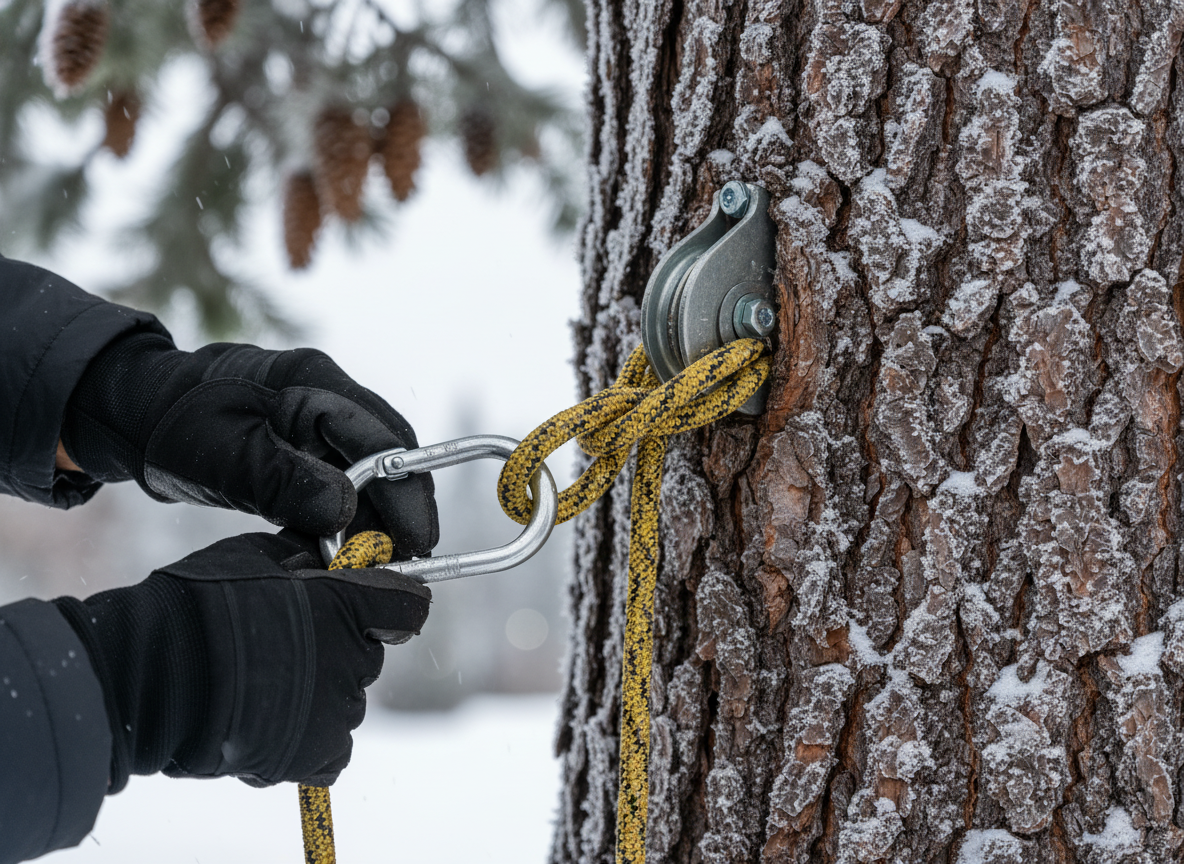
It can be—if it’s done by a licensed, insured crew that knows how to work in winter conditions. Winter changes the safety equation in a few important ways.
Potential safety advantages in winter
Dormant trees: With no leaves, it’s easier to see structure, deadwood, and problem limbs.
Reduced foot traffic: Many commercial properties have lighter outdoor traffic in winter, which can simplify safety perimeters.
Frozen ground (sometimes): When conditions are right, frozen ground can support equipment better than muddy spring soil.
Winter-specific safety risks
Slippery surfaces: Ice and packed snow increase slip hazards for crews and property owners.
Brittle wood: Cold temperatures can make some wood more brittle, which affects how limbs react when rigged and lowered.
Unpredictable weather windows: A calm morning can turn into wind and snow by afternoon.
This is why winter tree removal in Utah isn’t a DIY situation. The safest approach is a crew that plans for winter rigging, sets clear exclusion zones, and adapts the removal plan based on real-time conditions.
If you’re comparing providers, make sure you’re hiring a team that’s fully licensed and insured, and that can explain how they’ll protect your property—especially around sidewalks, parking lots, fences, and structures.
How frozen ground affects access (and your property)
Frozen ground is one of the biggest “it depends” factors.
When frozen ground helps
Less rutting: Equipment is less likely to sink and create deep ruts.
Cleaner work zones: In some cases, it’s easier to keep the site tidy without mud.
When frozen ground hurts
Harder to manage impact: If the ground is frozen but uneven, it can be harder to place equipment safely.
Freeze/thaw mess: Warm days can soften the top layer, turning a site into slush—especially in shaded areas.
For businesses and commercial properties, access planning matters even more. We look at:
Where trucks and chippers can stage
Whether bucket access is possible
Parking lot and curb protection
Pedestrian routing and safety signage
If you’re managing a property in Roy, Clearfield, or Riverdale, the goal is always the same: get the tree removed without creating a bigger problem (like damaged asphalt edges, torn turf, or blocked entrances).
Pros of winter tree removal in Northern Utah
Here’s what winter can do really well.
1. Better visibility for assessment
No leaves means we can often spot:
Dead tops
Cracks and splits
Poor branch attachments
Storm damage that’s been hiding
That can lead to a clearer plan—whether it’s full removal or a safer alternative like pruning.
If you’re not sure which you need, start with a professional evaluation. (If you’re dealing with a risky tree, our tree removal team can help you sort out the safest next step: https://darrellstreeservices.com/tree-removal/ )
2. Reduced disruption for commercial sites
Winter is often a good time for:
HOA common areas
Churches (outside of major event days)
Office parks
Retail centers during slower outdoor seasons
You can schedule work to avoid peak hours and keep tenants and customers safer.
3. Storm-risk prevention
If a tree is already compromised, waiting for the next snowstorm is a gamble. Proactive winter tree removal can prevent:
Roof and gutter damage
Vehicle damage
Downed power lines
Blocked access roads and driveways
Cons of winter tree removal (and how to plan around them)
Winter isn’t perfect. Here are the real drawbacks—and how we typically handle them.
1. Weather delays
Snow and wind can push schedules. The best way to reduce frustration is to:
Build a flexible window into your timeline
Prioritize the highest-risk trees first
Plan before major storms hit
2. Access limitations
If your property has tight access, steep drives, or heavy snow storage areas, we may need a different approach (rigging, sectional removal, or alternate staging). That’s not a bad thing—it just means winter planning matters.
3. Stump work may need special timing
Stump grinding can still be done in winter, but frozen ground can slow it down or require the right conditions. If stump removal is part of your plan, we’ll talk through the best timing.
If you’re specifically looking to finish the job completely, including the stump, here’s our stump grinding service page: https://darrellstreeservices.com/stump-grinding/
Timing: when winter tree removal makes the most sense
If you’re deciding when winter removal makes sense, here are the most common “green light” situations.
You should strongly consider winter removal if:
The tree is leaning, cracked, or has visible root heaving
You’ve had repeat limb failures in wind or snow
The tree is over parking, sidewalks, roofs, or play areas
You manage a commercial property and need to reduce liability
You’re seeing deadwood or a thinning canopy (even in late fall)
You might wait (or choose pruning instead) if:
The tree is healthy but needs structural improvement
Access is currently unsafe due to ice or heavy snowpack
The work would require major staging in a high-traffic zone and you can’t reroute pedestrians
In a lot of cases, the smartest winter move is a targeted prune to reduce snow-load risk. If that’s the direction you’re leaning, our tree trimming and pruning page is a good next step: https://darrellstreeservices.com/tree-trimming/
What to expect during a winter tree removal job
If you’ve never scheduled winter tree removal in Utah, here’s what the process typically looks like.
1. On-site evaluation and plan
We’ll look at:
Tree condition and risk factors
Access and staging
Nearby structures and utilities
Snow/ice conditions and footing
2. Safety setup
For commercial properties, we’ll coordinate around:
Tenant/customer flow
Parking restrictions
Work zone signage and barriers
3. Controlled removal and cleanup
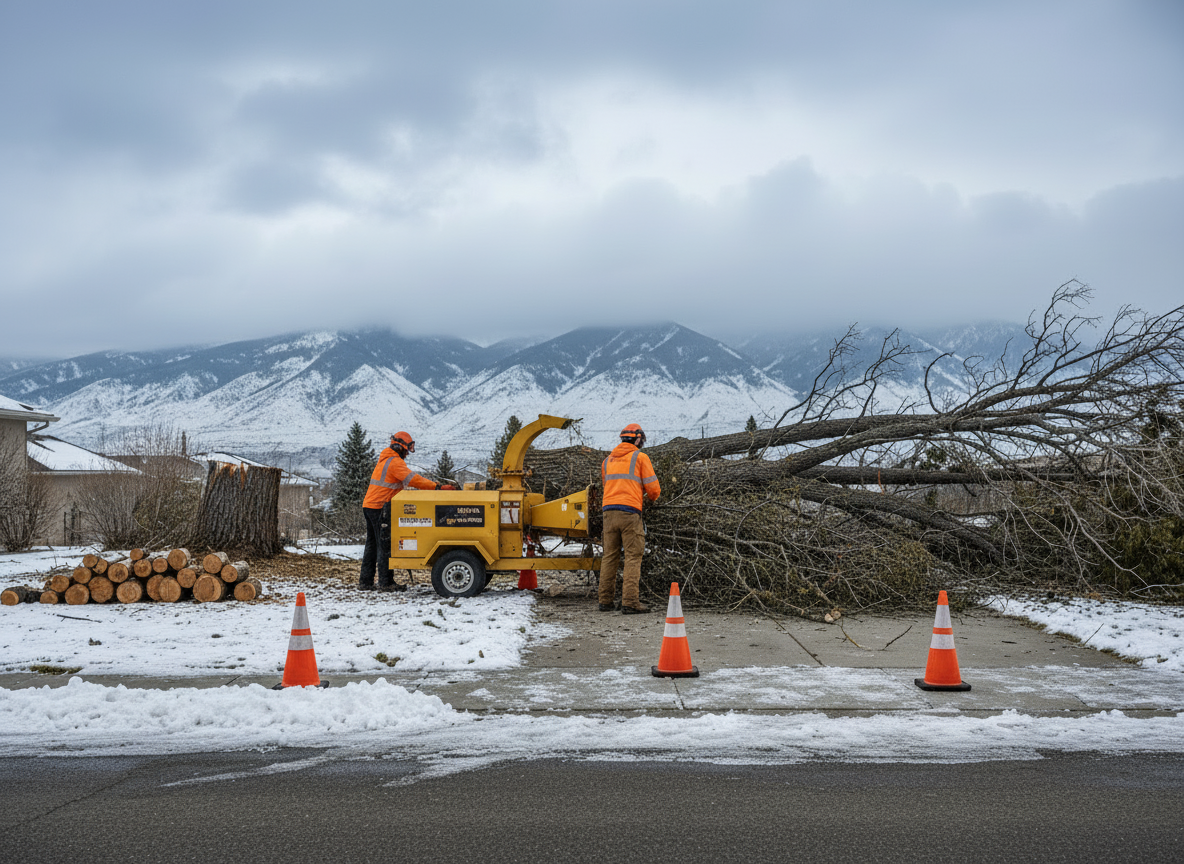
A professional crew removes the tree in sections when needed (especially near buildings), then:
Chips and hauls debris
Cuts and stacks wood if requested
Performs a thorough cleanup so you’re not left with a mess
That cleanup piece matters in winter—because nobody wants to discover hidden branches under snow a week later.
Winter tree removal for businesses: liability, access, and peace of mind
If you manage an HOA, church, or commercial site in North Ogden, Pleasant View, or South Weber, winter is often when risk feels the most urgent.
A few practical considerations:
Sidewalk and parking lot exposure: Snow piles can hide hazards. Removing a risky tree now can prevent blocked paths later.
Emergency response planning: If a storm hits, you want a provider you can call.
Documentation: Many property managers need clear communication and a straightforward scope of work.
If your goal is to reduce risk and keep your property safe, winter can be a smart time to act—especially before the next heavy snow.
Soft call-to-action: if you’re on the fence, get a clear answer
If you’re considering winter tree removal in Northern Utah—whether it’s a commercial property in Ogden or a home in Brigham City—I’m happy to help you figure out what makes the most sense.
You’ll get a straightforward assessment, clear options, and a plan that prioritizes safety and protecting your property.
Schedule a consultation or request a free estimate here: https://darrellstreeservices.com/appointment
FAQs: winter tree removal in Utah
Is winter tree removal in Utah cheaper?
It can be, depending on access and scheduling. The bigger cost advantage is often avoiding emergency damage after a storm. The best way to know is to get an estimate based on your specific site conditions.
Is it safe to remove trees in the winter?
Yes—when it’s handled by a trained, licensed, insured crew that plans for snow/ice conditions, sets proper safety zones, and uses the right rigging and equipment.
How long does winter tree removal take?
Many removals can be completed in a single day, but timing depends on tree size, complexity, access, and weather. Commercial sites with tight staging or pedestrian routing may take longer.
Can you grind a stump in the winter?
Often, yes. Frozen ground can affect stump grinding speed and feasibility, so we’ll evaluate conditions and recommend the best timing.
What’s the biggest reason to remove a tree in winter?
Risk reduction. If a tree is compromised, winter storms and snow load can turn it into a sudden emergency. Proactive removal can protect roofs, vehicles, sidewalks, and people.
Do you serve my city in Northern Utah?
Darrell’s Tree Service serves Northern Utah, including Ogden, North Ogden, Pleasant View, Harrisville, Riverdale, Roy, Clinton, Clearfield, Sunset, Layton, South Weber, West Haven, Hooper, Farr West, Marriott-Slaterville, and Brigham City.

Serving Ogden and Northern Utah with trusted, certified tree care since 1981.


