Darrell’s Tree Service
Trusted Residential and Commercial Tree Service for Northern Utah
Serving Ogden & The Wasatch Front Since 1981
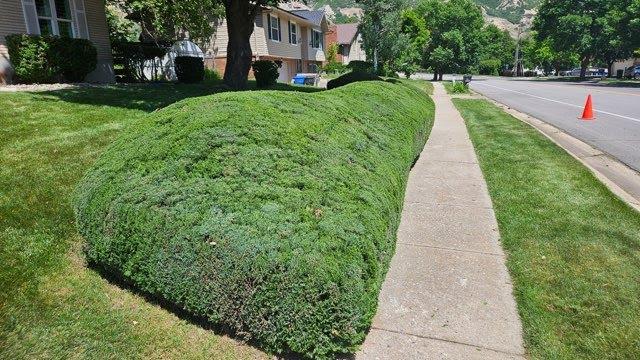
Healthy Trees.
Happy Propertys.
Peace of Mind.
For over 40 years, Darrell’s Tree Service has been Northern Utah’s go-to team for expert tree care, removal, and landscape solutions. Our certified arborists combine deep local knowledge with professional training to keep your property safe, beautiful, and thriving, season after season.
Our Services
OUR SERVICES
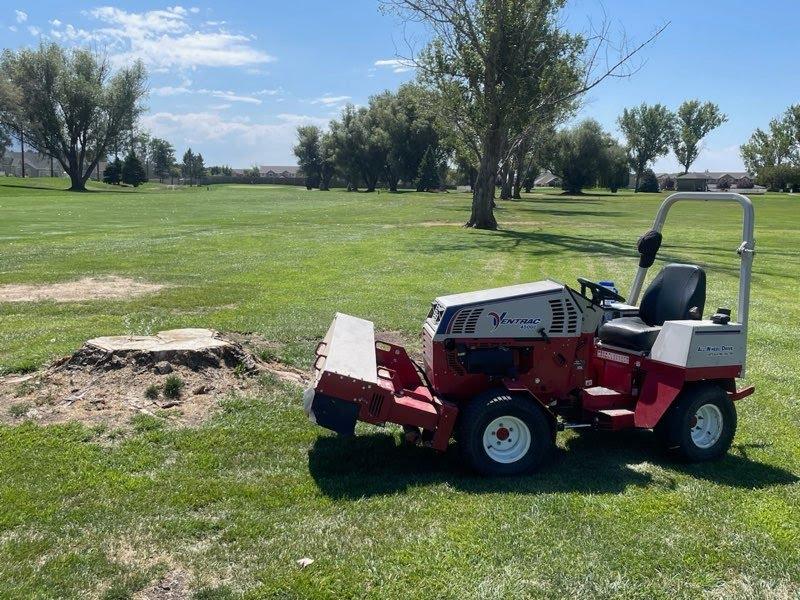
Tree Removal &
Stump Services
Tree Removal, Hazardous Tree Removal, Stump Grinding & Removal, Land Clearing.
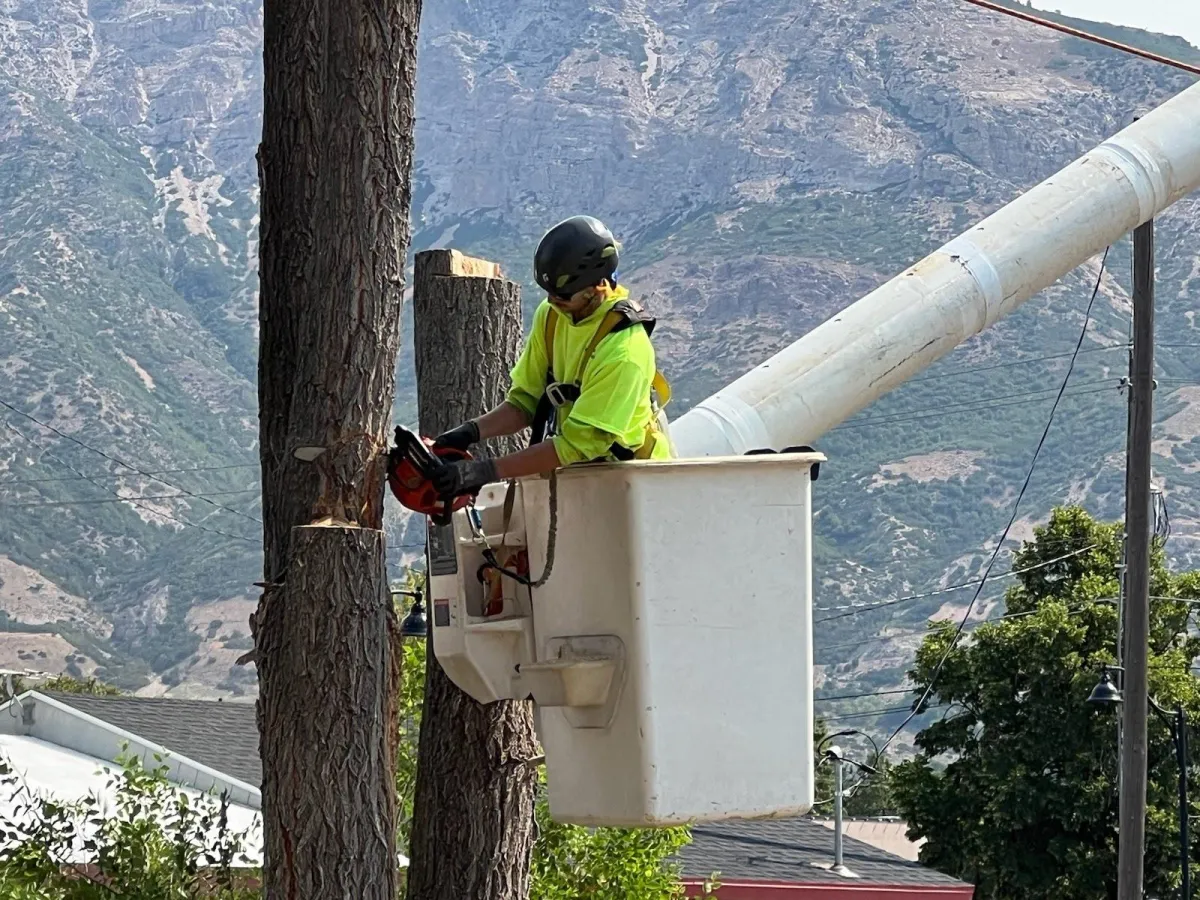
Tree & Shrub Care
Trimming & Pruning, Shrub & Landscape Maintenance, Fertilization, Treatment
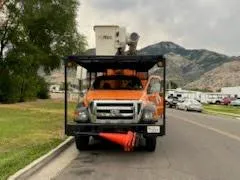
Emergency &
Storm Services
Emergency Tree Services, Storm Damage Response
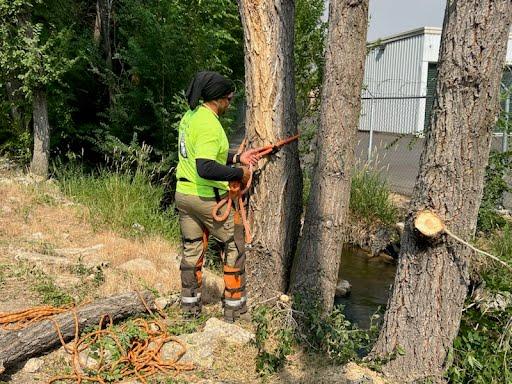
Tree Health & Structural Support
Diagnosis & Risk Management, Cabling, Bracing & Preservation
Why Choose Darrell’s?
Trusted, Local Tree Care Experts
Since 1981
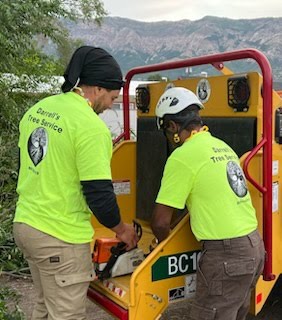
Here's what you get:
Locally Owned & Operated Since 1981
Certified, Experienced Arborists
Free, No-Obligation Estimates
Fully Licensed & Insured
Prompt, Thorough Cleanup, Every Job
4.6-Star Rated by Your Neighbors
Areas We Serve
CLIENT'S REVIEWS
WE HANDLE EVERYTHING FOR YOU
OVER
40
YEARS OF SERVICE
OVER
52,000
TREES TAKEN CARE OF
OVER
30
COMMUNITIES SERVED
Commercial Tree Service
We serve cities, churches, schools, hospitals, property management companies, HOAs, and businesses throughout the region. Our certified arborists and fully insured team deliver professional tree removal, pruning, stump grinding, and root grinding services tailored to meet the unique needs of commercial properties.
Whether you manage a municipal facility, institutional campus, apartment complex, or retail property, we provide reliable, efficient service that protects your investment and maintains your landscape's health and safety. From emergency storm response to routine maintenance, Darrell's Tree Service combines certified expertise with competitive pricing to keep your commercial property looking its best. Contact us today for a free estimate and discover why Weber County, Davis County, Box Elder County, and Salt Lake County trust us leading organizations trust us with their tree care needs.
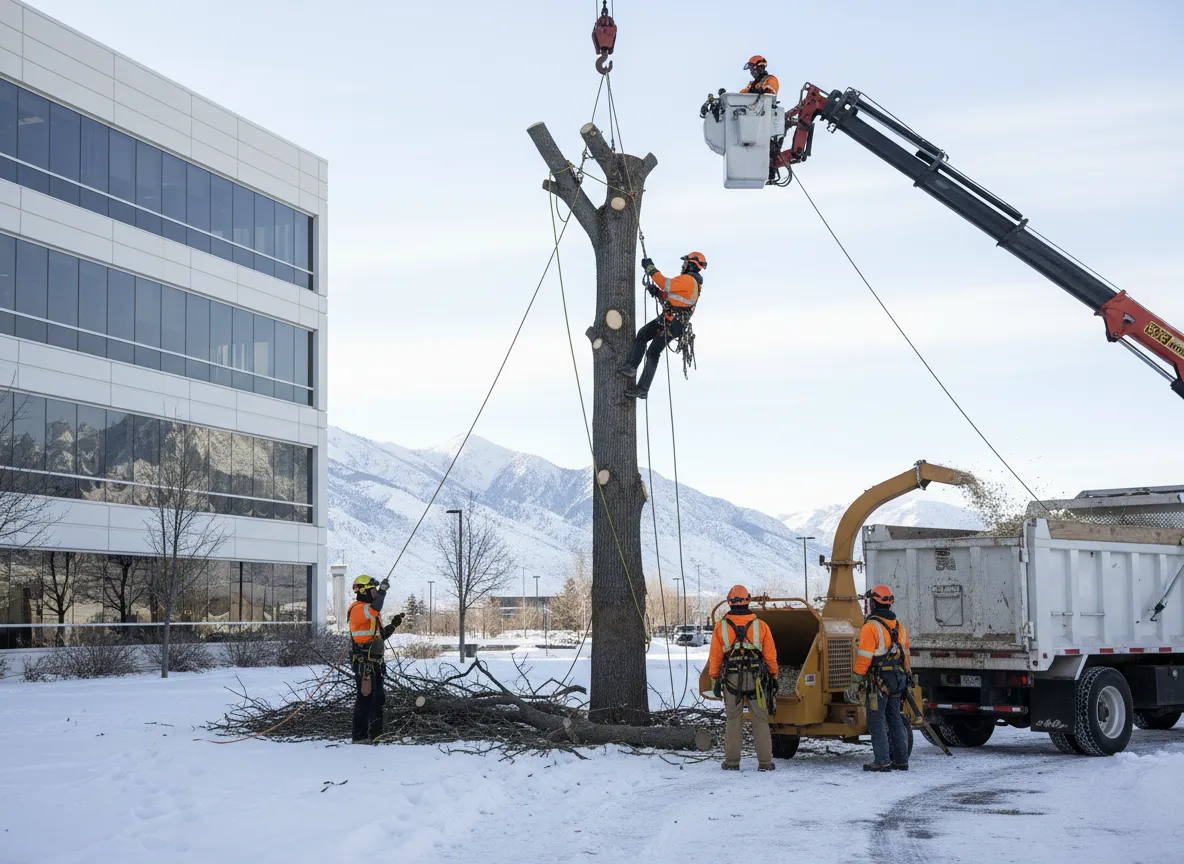
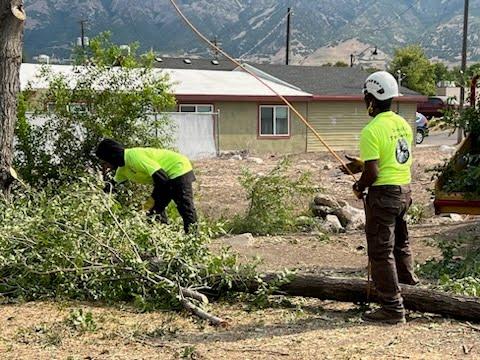
Residential Tree Service
Darrell's Tree Service is the trusted choice for residential tree care throughout Ogden, Layton, Salt Lake City, and surrounding Northern Utah communities. With over 40 years of local expertise, our certified arborists deliver professional tree removal, pruning, stump grinding, and root grinding services designed to protect your home and property. Whether you're dealing with storm damage, overgrown trees threatening your foundation, or routine maintenance to keep your landscape healthy and safe, our fully insured team provides reliable, efficient service at competitive prices.
We understand that your home is your most valuable investment, which is why we treat every residential project with the care and attention it deserves. From emergency 24/7 response to scheduled maintenance, Darrell's Tree Service combines certified expertise with transparent pricing and exceptional customer service. Contact us today for a free estimate and experience why homeowners from as far North as Logan and Tremonton to Salt Lake City and everything in between Northern Utah.
RECENT POSTS
Tree Trimming vs Pruning: What Ogden Yards Need
If you’re comparing tree trimming vs pruning in Ogden, Utah, you’re not alone. Many homeowners use the two terms interchangeably, but they describe different kinds of tree care. Understanding the difference can help you choose the right service, protect your property, and keep your trees healthier through Northern Utah’s hot summers, canyon winds, and freeze-thaw cycles.
At Darrell’s Tree Services, we look at the whole tree and the conditions around it before recommending work. A mature cottonwood near a roofline may need a very different approach than a young ornamental tree in a backyard. The goal isn’t simply to cut branches. It’s to make thoughtful cuts that improve safety, structure, appearance, and long-term health.
What is the difference between tree trimming and pruning?
Tree trimming is generally focused on managing growth and maintaining a tree’s shape. It can include removing branches that hang over a driveway, block windows, interfere with power lines, or make a yard feel overgrown. Trimming is often part of routine property maintenance, especially when homeowners want clear walkways, better sightlines, or more sunlight for grass and landscaping.
Pruning is more targeted and tree-health focused. It involves selectively removing dead, diseased, damaged, weak, or poorly attached branches. A professional may also prune crossing limbs, water sprouts, or growth that is creating structural problems. Good pruning respects the tree’s natural form instead of forcing it into an artificial shape.
In everyday conversation, people may ask for trimming when they really need pruning, or vice versa. That’s why an on-site assessment matters. The right service depends on the tree species, age, condition, location, season, and reason for the work.
When does an Ogden yard need routine trimming?
Routine trimming is useful when growth is beginning to affect how you use or maintain your property. Branches may be brushing against the roof, reaching toward a fence, shading a driveway, or growing low over a sidewalk. Trees near streets and intersections may also need clearance so drivers and pedestrians have a safer view.
Ogden yards can change quickly during the growing season. A tree that looked neatly contained in spring may send out vigorous new growth by midsummer. Canyon winds moving down from the Wasatch foothills can turn long, overextended branches into leverage points, especially when those branches are already rubbing against one another.
Regular trimming can keep growth manageable before it becomes an urgent problem. It may also improve the appearance of a property and help preserve clearance around rooflines, chimneys, outbuildings, and outdoor living areas. The work should still be conservative. Removing too much at once can stress a tree and encourage weak regrowth.
When is pruning the better choice?
Pruning is usually the better choice when a tree has a health or structural concern. Dead limbs should be removed because they can fall unexpectedly, while diseased branches may need to be cut out before a problem spreads. A branch with a narrow, weak attachment can split during wind or snow, and crossing limbs can create wounds as they rub together.
Young trees benefit from structural pruning because small corrections can prevent larger problems later. Establishing a strong central structure and removing competing or badly placed branches may reduce the need for major cuts as the tree matures. Older trees may need careful risk reduction rather than aggressive reshaping. With large trees, every cut changes the balance of the canopy and should have a clear purpose.
Pruning can also help a tree recover from storm damage, but damaged trees require caution. A limb hanging over a home, tangled in utility lines, or split high in the canopy is not a do-it-yourself project. Northern Utah storms can leave hidden cracks that make climbing or cutting especially dangerous.
How Utah weather affects tree care timing
Timing depends on the tree and the type of work, but local weather always matters. Summer heat and drought can put trees under significant stress, particularly those growing near pavement or in compacted soil. Large pruning cuts during a stressful period can add another burden, so the work should be planned carefully and watered appropriately when needed.
Ogden’s winter freeze-thaw cycles create their own challenges. Repeated freezing and thawing can open cracks, shift soil around roots, and expose weaknesses that were less obvious in warmer months. Canyon winds can then place additional pressure on compromised limbs. A seasonal inspection is valuable when you notice new cracks, hanging branches, unusual lean, dead sections, or branches making contact with your home.
There isn’t one universal calendar for every tree. Species, location, recent weather, and the tree’s condition all influence timing. A professional can explain whether your tree needs immediate corrective work or whether routine maintenance can be scheduled during a more suitable season.
Why topping and over-pruning can hurt your trees
One of the most common mistakes in tree care is removing too much canopy at once. Topping cuts branches back to stubs and leaves a tree with an unnatural, unstable form. The resulting shoots may grow quickly but attach weakly, creating more problems in future wind events. Severe cuts can also expose bark to sun damage and reduce the tree’s ability to produce energy.
Even well-intentioned trimming can go too far. A tree needs enough foliage to support its roots and maintain normal growth. Removing healthy branches simply to make a tree smaller may create stress instead of solving the original concern. Professional tree care is usually about selective cuts, not dramatic reduction.
Choosing the right tree service for your Ogden property
Start by identifying why you want work done. Are you trying to clear a roof, improve a view, address dead branches, recover from storm damage, or make a young tree stronger? Photos can help describe the concern, but an in-person assessment is the best way to understand what is happening in the canopy and around the trunk.
Darrell’s Tree Services serves Ogden and surrounding Northern Utah communities with tree trimming, pruning, removal, stump grinding, shrub trimming, and health and risk assessments. We consider nearby structures, access, species, branch attachments, and local weather exposure before recommending a plan. That helps homeowners avoid unnecessary cuts while addressing real safety and maintenance needs.
Whether your yard needs light trimming or careful structural pruning, acting before a small issue becomes storm damage is usually the smarter investment. Call Darrell's Tree Services at (801) 814-8119 or visit darrellstreeservices.com

Serving Ogden and Northern Utah with trusted, certified tree care since 1981.


