Darrell’s Tree Service
Trusted Residential and Commercial Tree Service for Northern Utah
Serving Ogden & The Wasatch Front Since 1981
Healthy Trees.
Happy Propertys.
Peace of Mind.
For over 40 years, Darrell’s Tree Service has been Northern Utah’s go-to team for expert tree care, removal, and landscape solutions. Our certified arborists combine deep local knowledge with professional training to keep your property safe, beautiful, and thriving, season after season.
Our Services
OUR SERVICES
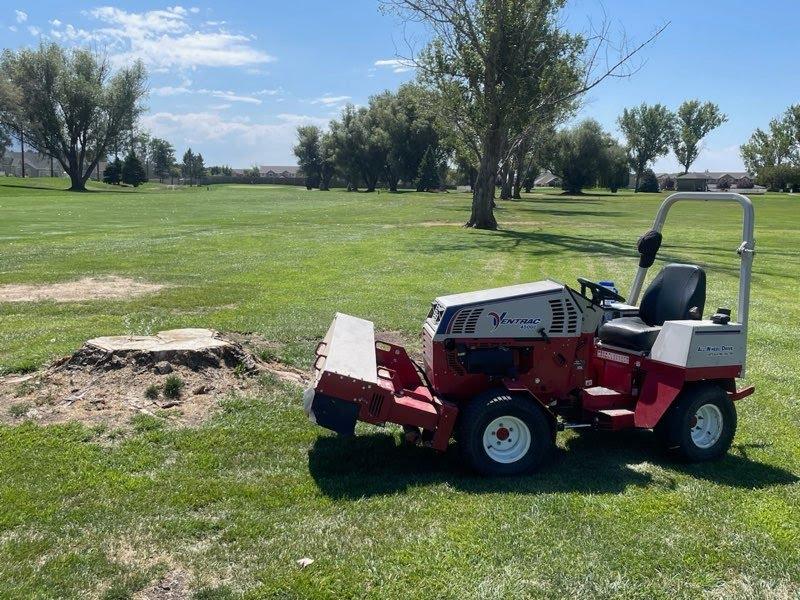
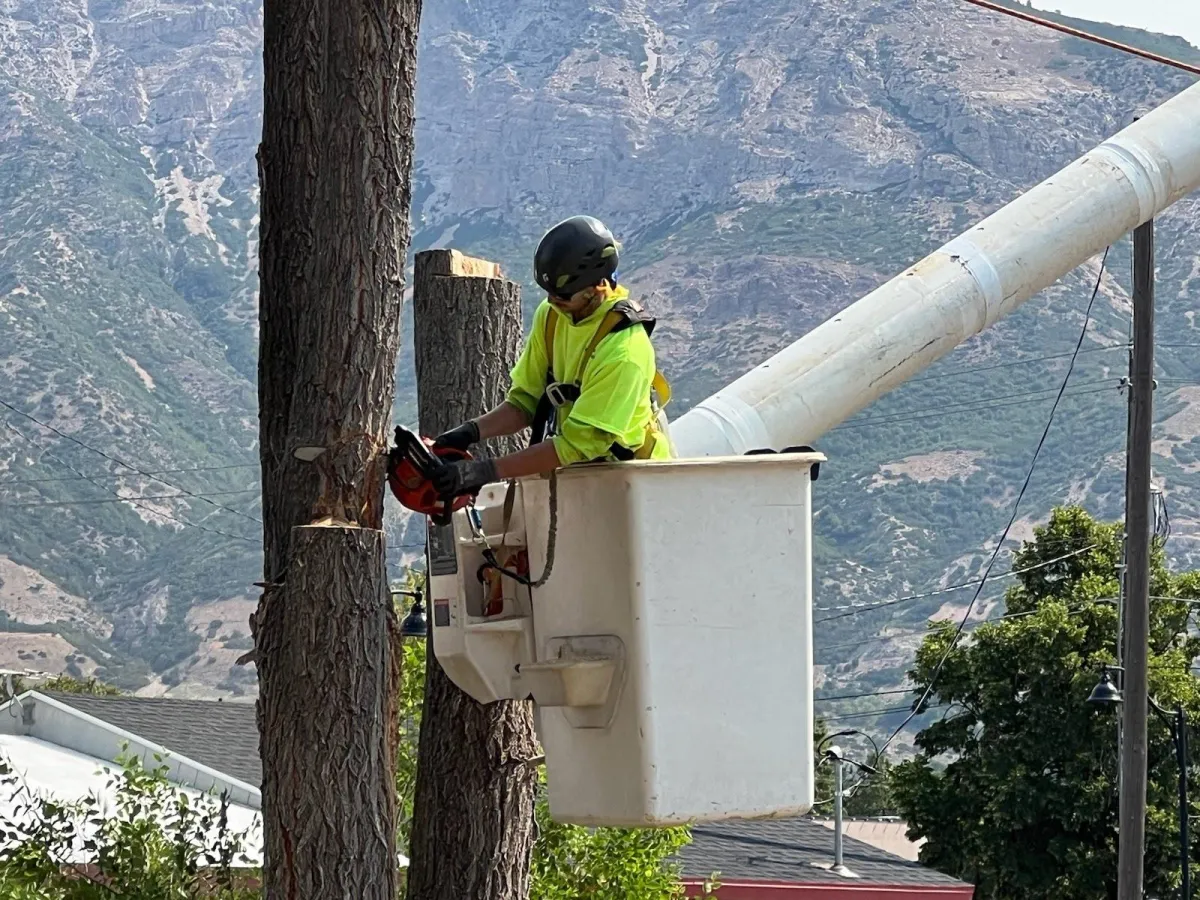
Tree Removal &
Stump Services
Tree Removal, Hazardous Tree Removal, Stump Grinding & Removal, Land Clearing.
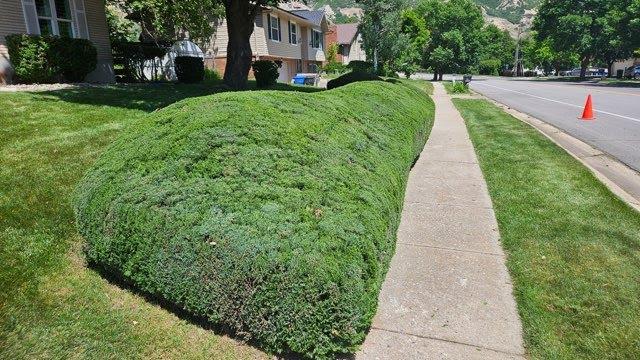
Tree & Shrub Care
Trimming & Pruning, Shrub & Landscape Maintenance, Fertilization, Treatment
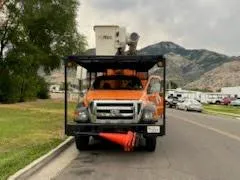
Emergency &
Storm Services
Emergency Tree Services, Storm Damage Response
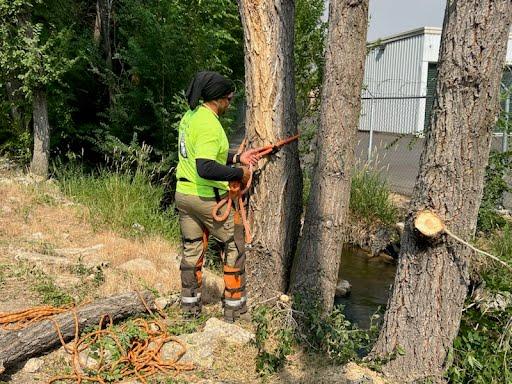
Tree Health & Structural Support
Diagnosis & Risk Management, Cabling, Bracing & Preservation
Why Choose Darrell’s?
Trusted, Local Tree Care Experts
Since 1981
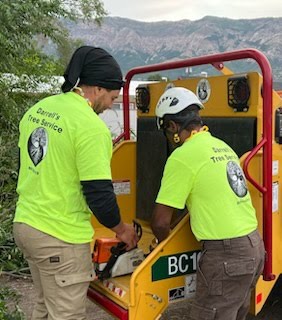
Here's what you get:
Locally Owned & Operated Since 1981
Certified, Experienced Arborists
Free, No-Obligation Estimates
Fully Licensed & Insured
Prompt, Thorough Cleanup, Every Job
4.6-Star Rated by Your Neighbors
Areas We Serve
CLIENT'S REVIEWS
WE HANDLE EVERYTHING FOR YOU
OVER
40
YEARS OF SERVICE
OVER
52,000
TREES TAKEN CARE OF
OVER
30
COMMUNITIES SERVED
Commercial Tree Service
We serve cities, churches, schools, hospitals, property management companies, HOAs, and businesses throughout the region. Our certified arborists and fully insured team deliver professional tree removal, pruning, stump grinding, and root grinding services tailored to meet the unique needs of commercial properties.
Whether you manage a municipal facility, institutional campus, apartment complex, or retail property, we provide reliable, efficient service that protects your investment and maintains your landscape's health and safety. From emergency storm response to routine maintenance, Darrell's Tree Service combines certified expertise with competitive pricing to keep your commercial property looking its best. Contact us today for a free estimate and discover why Weber County, Davis County, Box Elder County, and Salt Lake County trust us leading organizations trust us with their tree care needs.
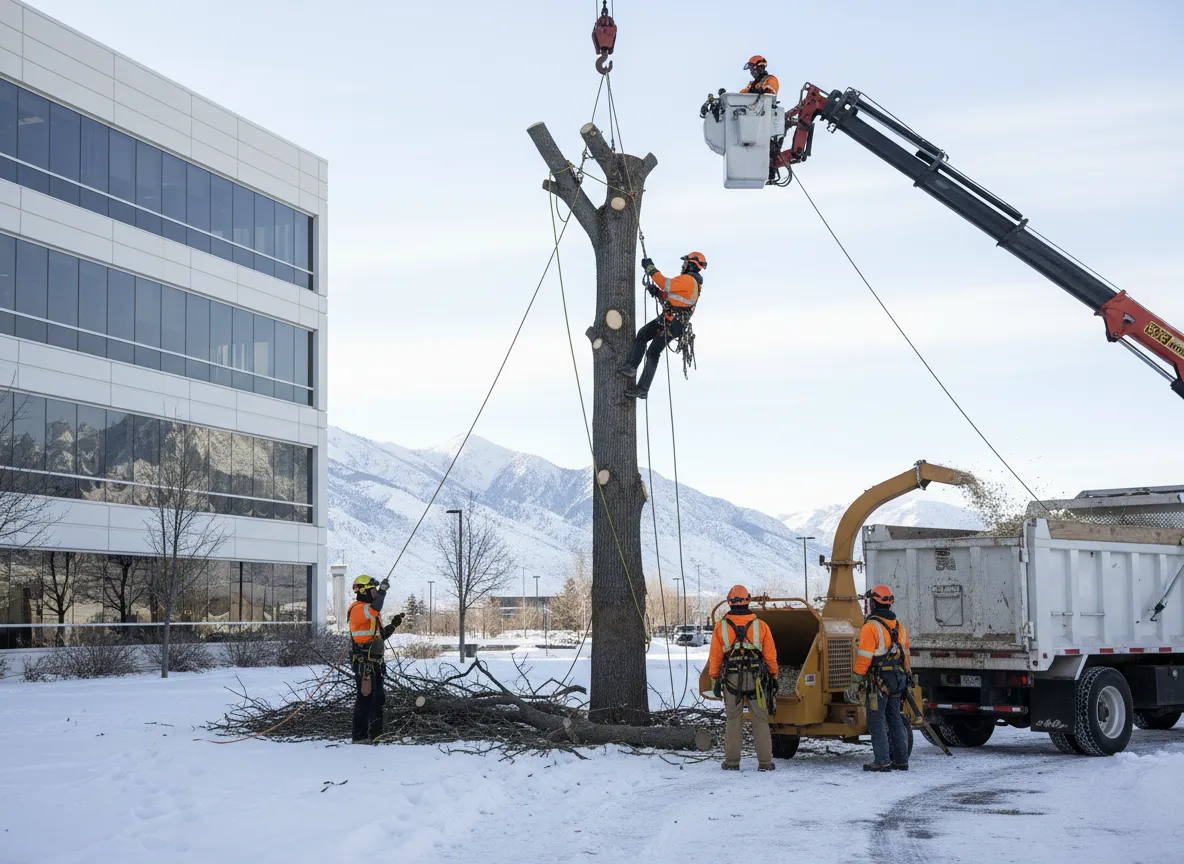
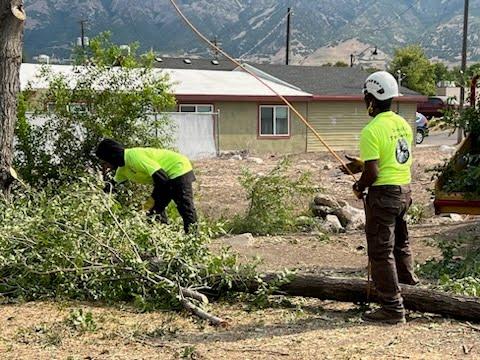
Residential Tree Service
Darrell's Tree Service is the trusted choice for residential tree care throughout Ogden, Layton, Salt Lake City, and surrounding Northern Utah communities. With over 40 years of local expertise, our certified arborists deliver professional tree removal, pruning, stump grinding, and root grinding services designed to protect your home and property. Whether you're dealing with storm damage, overgrown trees threatening your foundation, or routine maintenance to keep your landscape healthy and safe, our fully insured team provides reliable, efficient service at competitive prices.
We understand that your home is your most valuable investment, which is why we treat every residential project with the care and attention it deserves. From emergency 24/7 response to scheduled maintenance, Darrell's Tree Service combines certified expertise with transparent pricing and exceptional customer service. Contact us today for a free estimate and experience why homeowners from as far North as Logan and Tremonton to Salt Lake City and everything in between Northern Utah.
RECENT POSTS
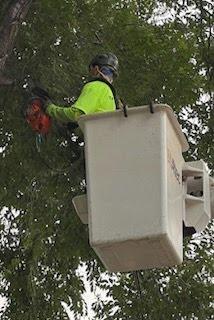
Tree Removal Cost in Layton, UT | Free Estimate
What impacts tree removal cost in Layton, UT?
In Layton, tree removal is rarely “one price fits all.” Between tight neighborhoods, power lines, and Utah’s wind and snow load, the safest way to price a job is to look at the tree and the site in person. When you’re searching for a tree removal cost estimate in Layton UT, here are the biggest factors that change the number.
1) Tree size, height, and canopy spread
Bigger trees generally cost more because they take longer, require heavier equipment, and create more debris to haul away. Height matters, but so does canopy spread—wide trees over parking lots, roofs, or walkways often need careful rigging and controlled lowering.
2) Location and access (the “how hard is it to reach?” factor)
Access is a major driver of tree removal cost Layton Utah.
Backyard removals with fences, narrow gates, or landscaping obstacles can require more labor.
Commercial properties (churches, HOAs, retail centers, office parks) may need traffic control, cone setups, and extra planning to keep the site safe.
Trees near structures (roofs, sheds, garages) often require piece-by-piece removal instead of a straightforward drop.
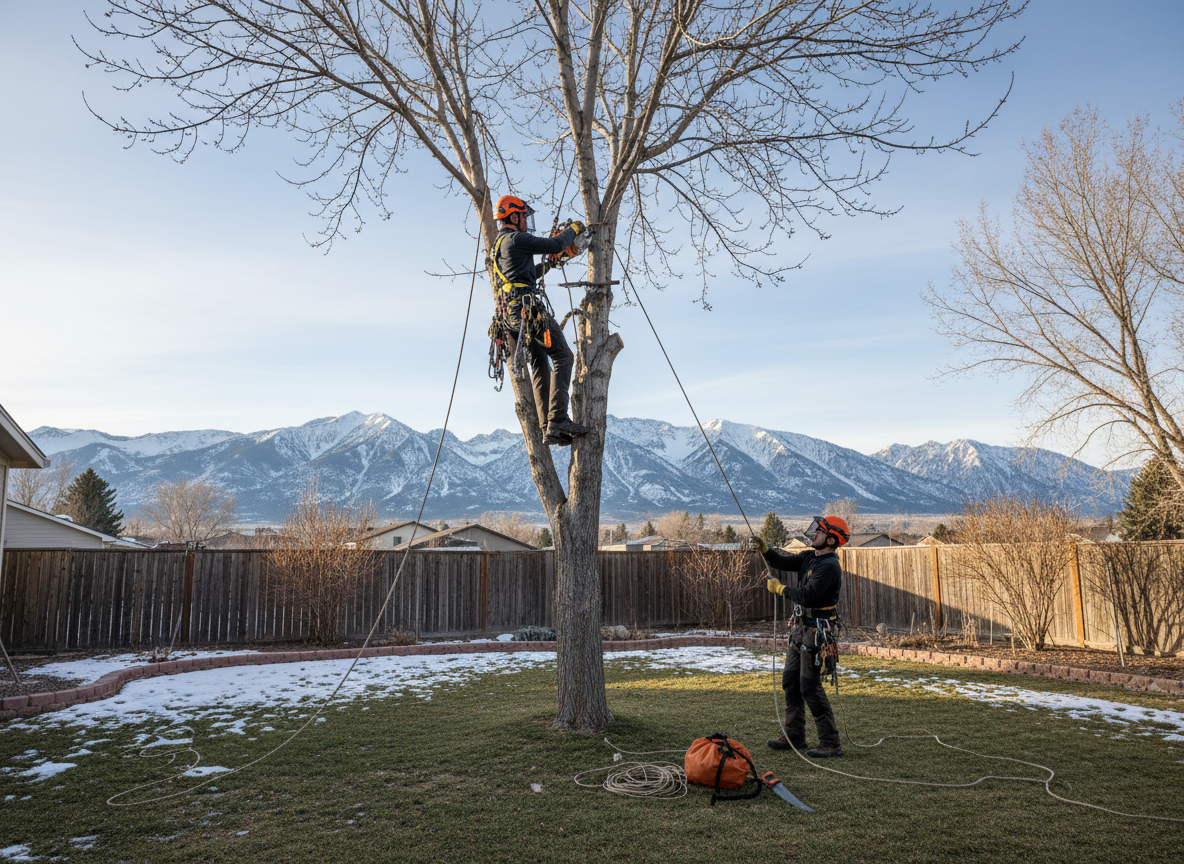
3) Risk level: power lines, buildings, and high-traffic areas
If a tree is close to power lines, busy sidewalks, or a building entrance, the work becomes more technical. That usually means more crew coordination, more rigging, and a slower, safer removal process.
If you’re a property manager or business owner, this is one of the biggest reasons to avoid “cheap” bids. A low price can mean corners get cut—and that’s when property damage and liability show up.
4) Tree health and condition
Dead, storm-damaged, or diseased trees can be unpredictable. In Northern Utah, we see trees weakened by:
Heavy snow loading and ice
Windstorms that crack limbs or split trunks
Drought stress (especially after hot summers)
Insect pressure (including pine beetle issues in the region)
A compromised tree may require extra safety steps to prevent sudden failure while climbing or rigging.
5) Stump removal vs. leaving the stump
Many people ask for “tree removal,” but what they really want is a clean slate.
Tree removal typically means the tree is cut down and hauled away.
Stump grinding removes the stump below grade so you can replant, sod, or avoid tripping hazards.
If you want a one-stop solution, you can bundle removal with stump grinding. (You can learn more about stump work here: https://darrellstreeservices.com/stump-grinding/ )
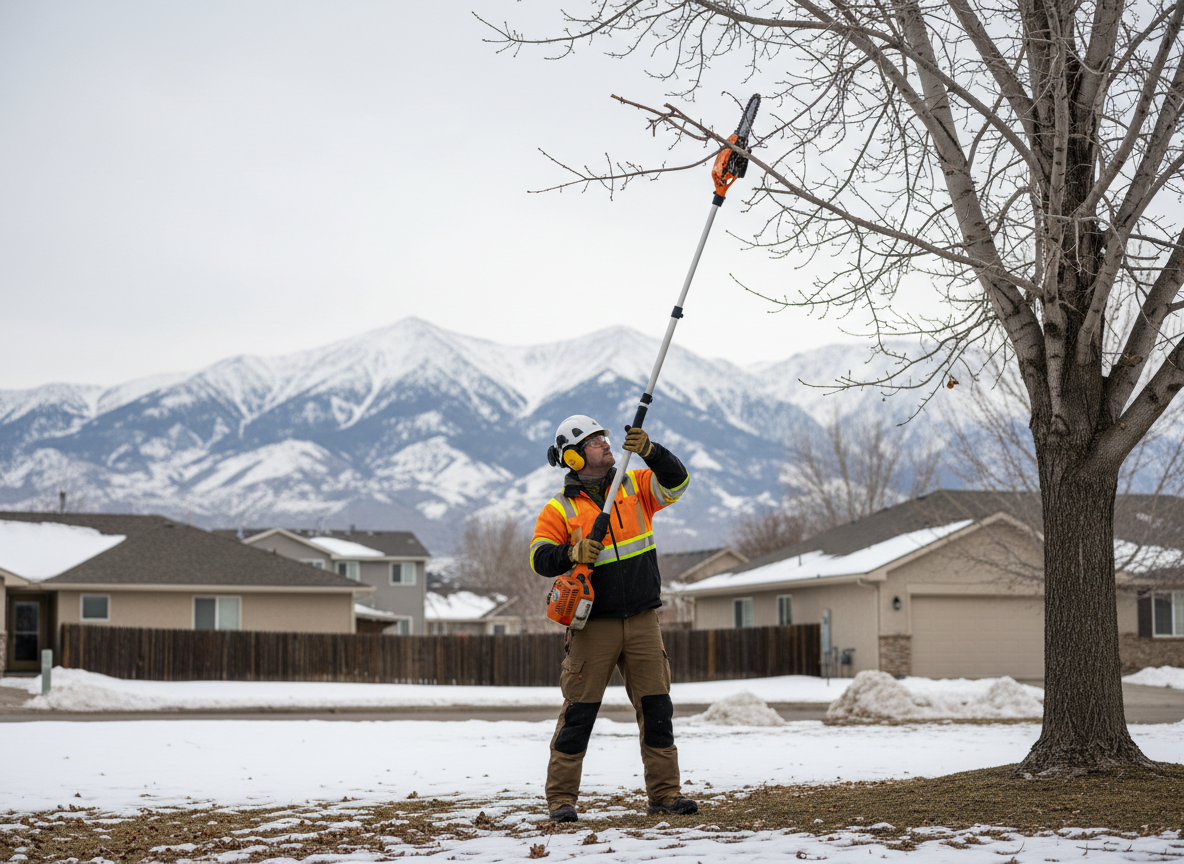
6) Cleanup expectations (and why it matters)
Cleanup is where you really see the difference between a professional crew and a “chainsaw and a truck” operation.
On commercial sites, cleanup isn’t optional—customers, tenants, and visitors need safe walkways and a property that looks cared for. On residential jobs, you don’t want a yard full of sawdust, ruts, and scattered branches.
A thorough cleanup and haul-away can affect pricing, but it’s also what gives you that “relief” feeling when the job is done.
Typical price ranges: what you can expect in Layton
Most people want a straight number, and I get it. While every job is different, here’s a helpful way to think about tree removal cost in Layton, UT.
Small trees
Small ornamental trees or smaller removals with easy access tend to be on the lower end.
Medium trees
Medium trees often require more rigging, more time, and more hauling.
Large or high-risk trees
Large trees, trees over structures, trees near power lines, or removals that require cranes or complex rigging are typically the highest.
The most accurate way to get a tree removal cost estimate in Layton UT is a quick on-site look. That way the estimate reflects your exact tree, your access, and your cleanup expectations.
Why Layton’s climate and seasons affect tree removal
Northern Utah trees go through a lot.
Winter snow can overload limbs and expose weak branch unions.
Spring winds can turn a compromised tree into an emergency.
Hot, dry summers stress trees and make them more vulnerable to pests and disease.
If you’re managing a commercial property, seasonal timing matters because you’re balancing safety with operations. If you’re a homeowner, it matters because you’re balancing safety with budget.
If you suspect a tree is becoming hazardous, it’s worth getting it assessed before the next storm. Tree risk doesn’t always look dramatic—sometimes it’s subtle cracks, leaning, root heaving, or deadwood in the canopy.
For ongoing pruning and risk reduction, see: https://darrellstreeservices.com/tree-trimming/
Commercial properties: what business owners and property managers should consider
If you’re responsible for a church campus, HOA, retail center, or municipal property, tree removal isn’t just a landscaping decision—it’s a risk management decision.
Here’s what I recommend you look for when comparing bids:
Proof of licensing and insurance
This protects your organization if something goes wrong. It also signals you’re working with a professional operation—not a weekend crew.
Safety planning and site control
Commercial removals often need:
Crew spotters
Controlled drop zones
Traffic/pedestrian management
Clear communication with tenants or staff
Minimal disruption
A good crew can plan removals around business hours, entrances, and parking flow so you’re not dealing with chaos.
Documentation and clear scope
You want to know exactly what’s included:
Is haul-away included?
Are wood chips removed or left?
Is stump grinding included?
Is the estimate for a full removal or a “cut and drop”?
If you want a team that handles removals with safety-first planning, start here: https://darrellstreeservices.com/tree-removal/
Residential properties: what homeowners in Layton should know
If you’re a homeowner, the biggest concerns are usually:
“Is this tree going to hit my house?”
“Can you do this without destroying my yard?”
“How much is this going to cost me?”
Those are fair questions.
A professional estimate should include a walk-around of:
The tree’s lean and structure
Nearby targets (rooflines, fences, sheds)
Access for equipment
Your preferences for cleanup and stump grinding
And if you’re not sure whether you need removal or just pruning, a good arborist will tell you honestly. Sometimes the safest, most cost-effective option is targeted pruning instead of full removal.
How to get a reliable tree removal cost estimate in Layton UT
If you want a number you can trust, here’s the simplest process:
Schedule a quick on-site visit
Walk the property together (commercial or residential)
Confirm the scope (removal, stump, haul-away, cleanup)
Get a clear estimate you can compare apples-to-apples
The goal isn’t to sell you something you don’t need—the goal is to make sure the tree is handled safely and your property is protected.
Red flags to watch for in low bids
When pricing feels wildly different, it’s usually because the scope or safety plan is different.
Be cautious if a bid:
Won’t show proof of insurance
Doesn’t mention cleanup
Suggests topping or unsafe cutting practices
Can’t explain how they’ll protect your roof, fence, or landscaping
Feels rushed or vague
Tree work is one of those services where “cheap” can get expensive fast.
Soft call-to-action: get your estimate
If you’re in Layton (or anywhere in Northern Utah) and you want a straightforward, safety-first quote, I’m happy to help. I’m licensed and insured, I prioritize safe removals, and I always do a thorough cleanup.
Schedule your estimate here: https://darrellstreeservices.com/appointment
FAQs: Tree removal cost Layton Utah
How much does tree removal cost in Layton, UT?
Tree removal cost in Layton, UT depends on the tree’s size, condition, access, and risk factors (like power lines or structures). The fastest way to get an accurate number is an on-site tree removal cost estimate in Layton UT.
Is stump grinding included in tree removal?
Not always. Some estimates include stump grinding, and some price it separately. If you want the stump removed below grade, ask for stump grinding to be listed in the scope.
How long does a tree removal take?
Many removals can be completed in a few hours, but large or high-risk trees (or commercial sites with extra safety setup) can take longer. The timeline depends on complexity, access, and cleanup needs.
Can you remove a tree near a building or power line?
Often, yes—but it requires careful planning, rigging, and safety controls. Trees near power lines may also require coordination depending on proximity and risk.
Do you haul away all the debris?
That’s typically part of a full-service removal, but it should be confirmed in the estimate. A professional job should leave your property clean and safe.
Do you offer emergency tree removal after storms?
Yes—storm damage and hazardous trees are common in Northern Utah, especially after heavy snow and wind. If a tree is unsafe, it’s worth getting it assessed quickly.

Serving Ogden and Northern Utah with trusted, certified tree care since 1981.


