Darrell’s Tree Service
Trusted Residential and Commercial Tree Service for Northern Utah
Serving Ogden & The Wasatch Front Since 1981
Healthy Trees.
Happy Propertys.
Peace of Mind.
For over 40 years, Darrell’s Tree Service has been Northern Utah’s go-to team for expert tree care, removal, and landscape solutions. Our certified arborists combine deep local knowledge with professional training to keep your property safe, beautiful, and thriving, season after season.
Our Services
OUR SERVICES
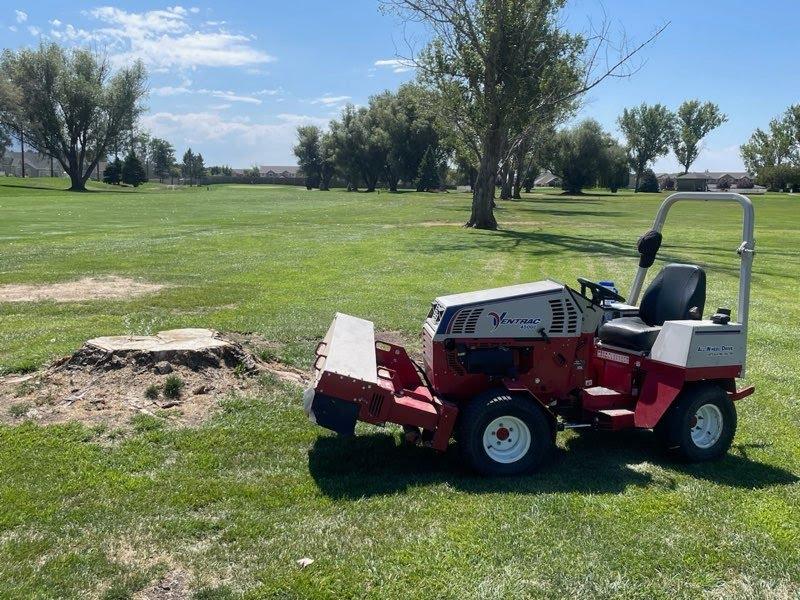
Tree Removal &
Stump Services
Tree Removal, Hazardous Tree Removal, Stump Grinding & Removal, Land Clearing.
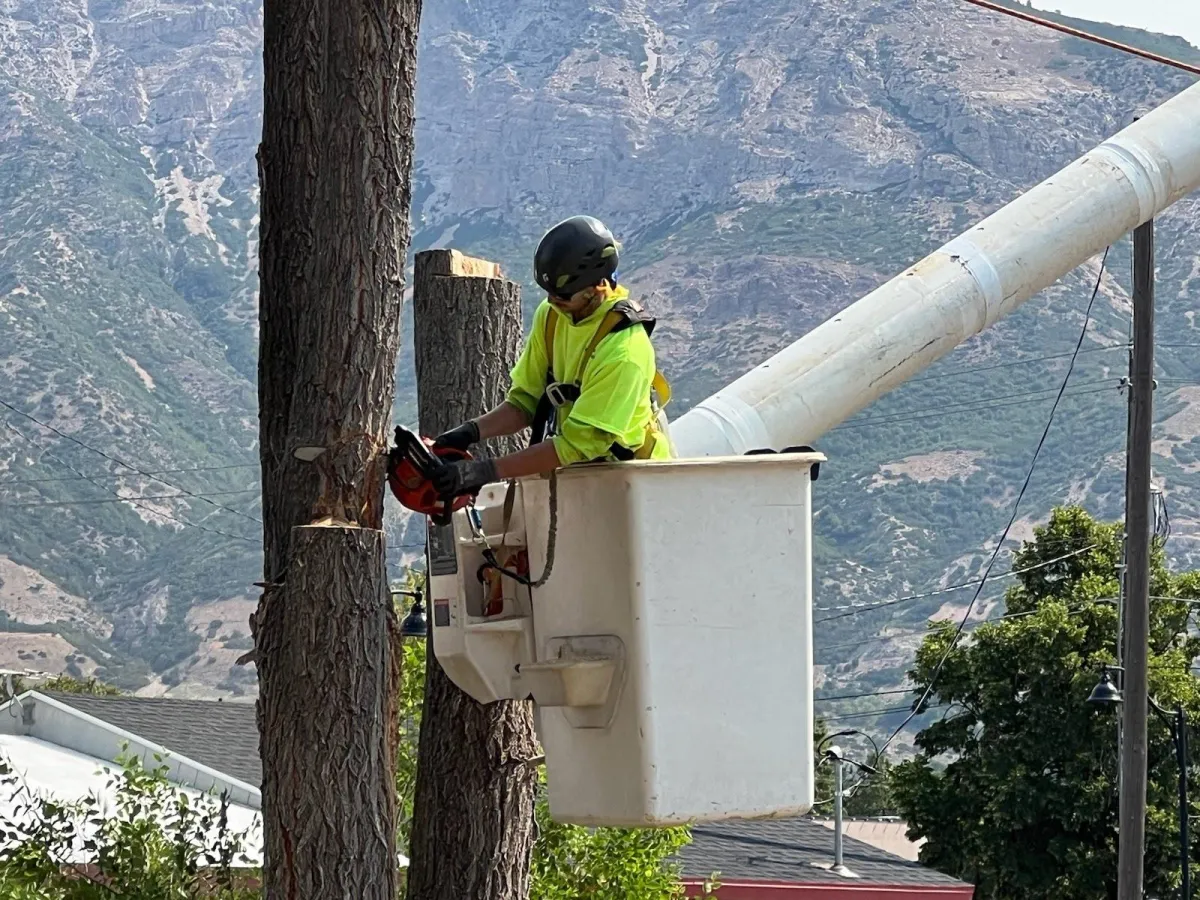
Tree & Shrub Care
Trimming & Pruning, Shrub & Landscape Maintenance, Fertilization, Treatment
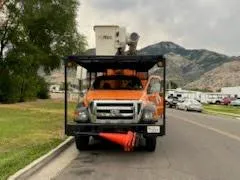
Emergency &
Storm Services
Emergency Tree Services, Storm Damage Response
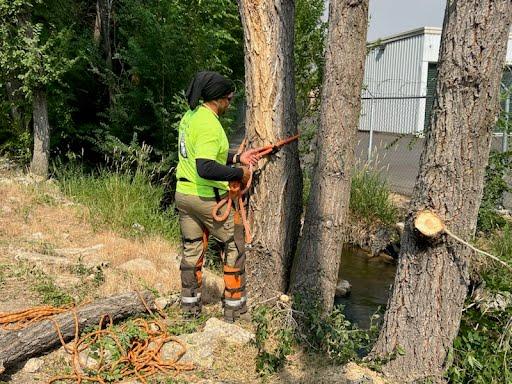
Tree Health & Structural Support
Diagnosis & Risk Management, Cabling, Bracing & Preservation
Why Choose Darrell’s?
Trusted, Local Tree Care Experts
Since 1981
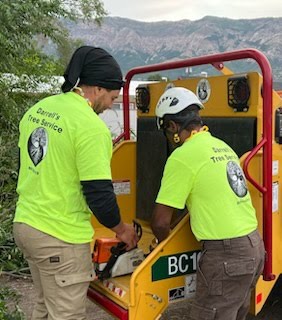
Here's what you get:
Locally Owned & Operated Since 1981
Certified, Experienced Arborists
Free, No-Obligation Estimates
Fully Licensed & Insured
Prompt, Thorough Cleanup, Every Job
4.6-Star Rated by Your Neighbors
Areas We Serve
CLIENT'S REVIEWS
WE HANDLE EVERYTHING FOR YOU
OVER
40
YEARS OF SERVICE
OVER
52,000
TREES TAKEN CARE OF
OVER
30
COMMUNITIES SERVED
Commercial Tree Service
We serve cities, churches, schools, hospitals, property management companies, HOAs, and businesses throughout the region. Our certified arborists and fully insured team deliver professional tree removal, pruning, stump grinding, and root grinding services tailored to meet the unique needs of commercial properties.
Whether you manage a municipal facility, institutional campus, apartment complex, or retail property, we provide reliable, efficient service that protects your investment and maintains your landscape's health and safety. From emergency storm response to routine maintenance, Darrell's Tree Service combines certified expertise with competitive pricing to keep your commercial property looking its best. Contact us today for a free estimate and discover why Weber County, Davis County, Box Elder County, and Salt Lake County trust us leading organizations trust us with their tree care needs.
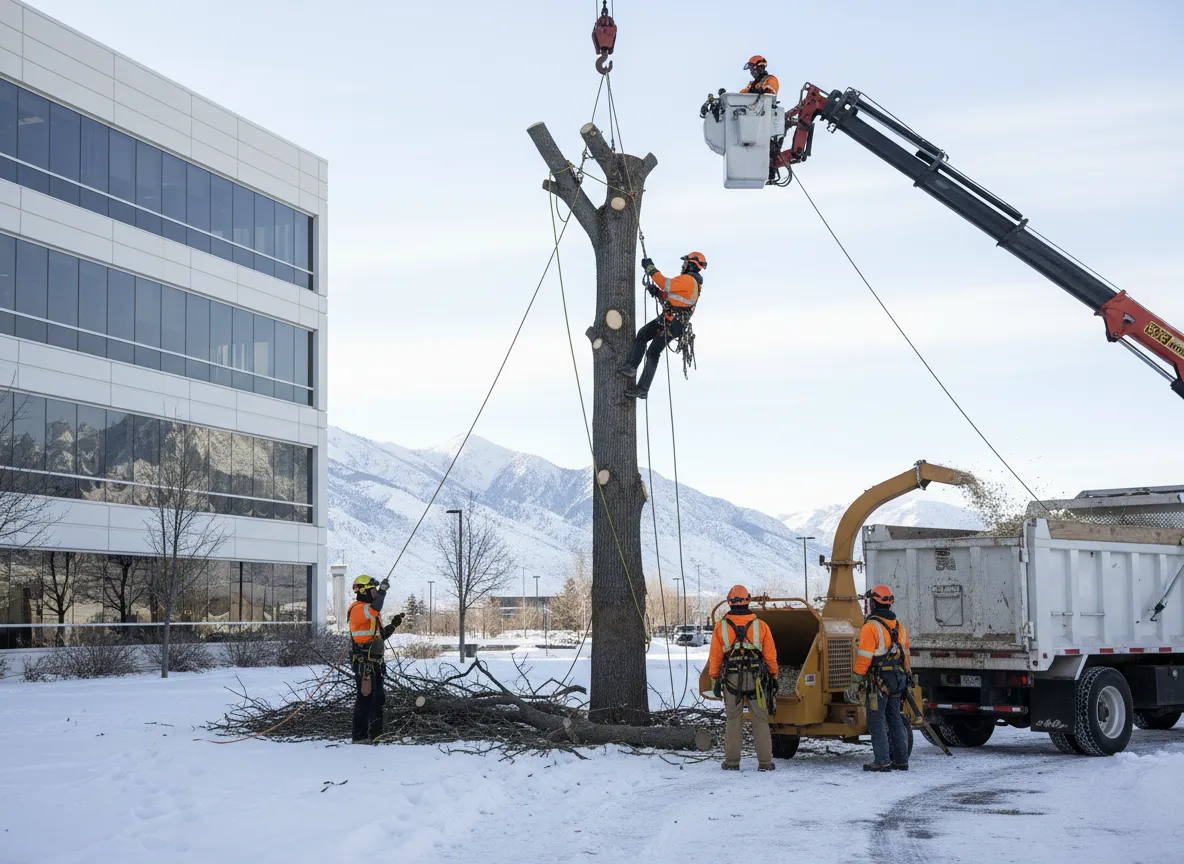
Residential Tree Service
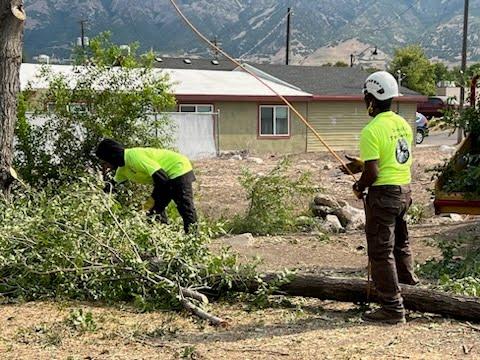
Darrell's Tree Service is the trusted choice for residential tree care throughout Ogden, Layton, Salt Lake City, and surrounding Northern Utah communities. With over 40 years of local expertise, our certified arborists deliver professional tree removal, pruning, stump grinding, and root grinding services designed to protect your home and property. Whether you're dealing with storm damage, overgrown trees threatening your foundation, or routine maintenance to keep your landscape healthy and safe, our fully insured team provides reliable, efficient service at competitive prices.
We understand that your home is your most valuable investment, which is why we treat every residential project with the care and attention it deserves. From emergency 24/7 response to scheduled maintenance, Darrell's Tree Service combines certified expertise with transparent pricing and exceptional customer service. Contact us today for a free estimate and experience why homeowners from as far North as Logan and Tremonton to Salt Lake City and everything in between Northern Utah.
RECENT POSTS
Tree Limb Removal Cost in Utah: Pricing Factors, Safety, and What to Expect | Darrell’s Tree Service
Tree limb removal cost in Utah: the quick reality
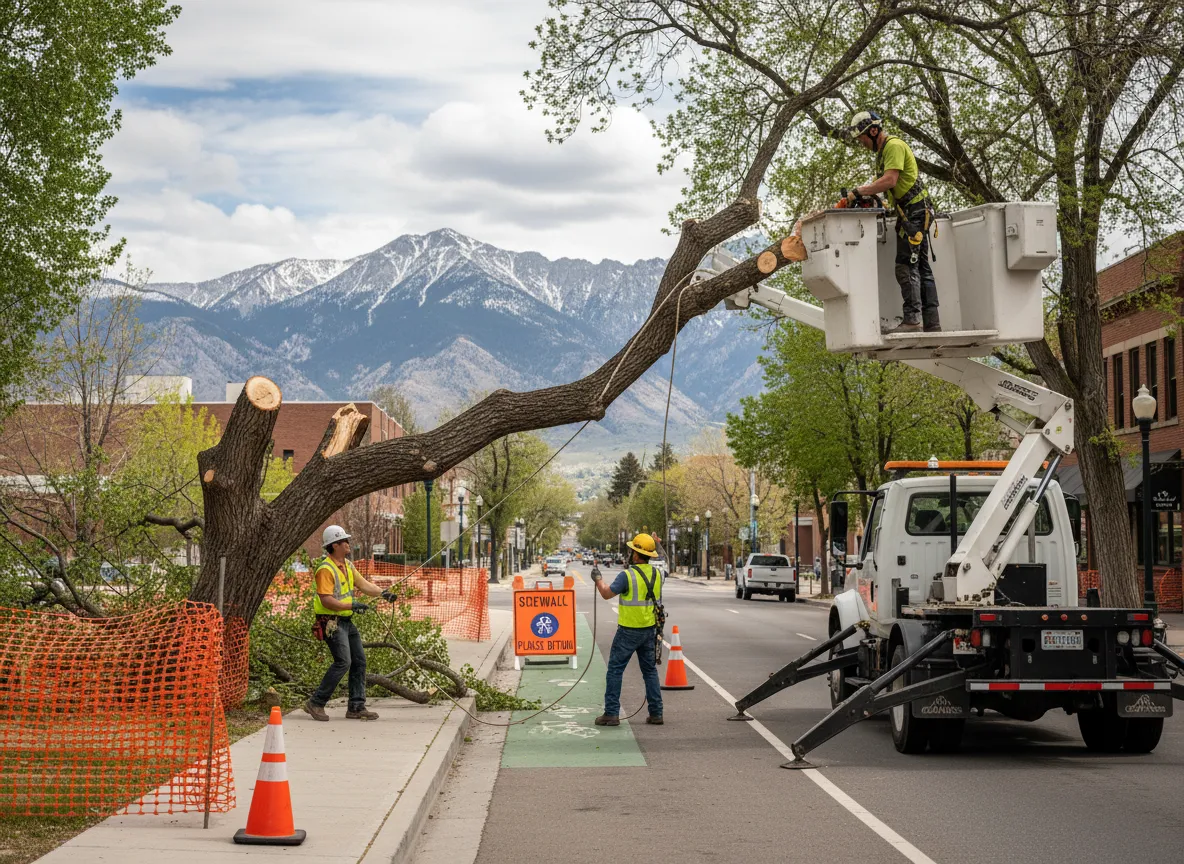
If you’ve ever looked up and noticed a heavy limb hanging over a roofline in Ogden or Layton—especially after a windstorm or a heavy snow—your stomach drops a little. You’re not imagining the risk. In Northern Utah, one cracked limb can turn into property damage, blocked parking, or a safety issue for customers, tenants, or family.
When people ask me about tree limb removal cost (or specifically tree limb removal cost in Utah), I always start with the same truth: pricing depends less on “the tree” and more on the risk and the work required to remove the limb safely. Below, I’ll walk you through what affects cost, when it becomes an emergency, and what to expect when you call a professional.

What counts as “tree limb removal” (and why it matters)
Tree limb removal usually means removing one or more large branches (limbs) that are:
Broken, split, or hanging
Overhanging roofs, power lines, sidewalks, parking lots, or play areas
Rubbing on structures or scraping shingles/siding
Dead or dying (and likely to fail)
Too heavy or poorly attached (a common issue after storm stress)
For commercial properties—churches, HOAs, retail centers, office parks, schools, and city-managed spaces—limb removal is often about liability and public safety. For homeowners, it’s usually about protecting the house, driveway, fence, and the people who live there.
If you’re unsure whether you need limb removal or a bigger plan, a quick assessment from a certified arborist can save you from paying twice.
Tree limb removal cost in Utah: what you’re really paying for
People naturally want a simple price list. I get it. But with limb removal, the cost is tied to what it takes to do the job without dropping a limb through a roof, onto a car, or into a walkway.
Here are the most common pricing factors that influence tree limb removal cost in Utah.
1) Limb size and weight
A small limb that can be safely lowered by hand is very different from a heavy limb that requires rigging. In general:
Larger diameter limbs cost more
Longer limbs cost more
Dense wood species can increase handling effort
In Northern Utah, many mature shade trees have limbs that look “manageable” until you realize how much they weigh once they start moving.
2) Height and location (rooflines, sidewalks, parking lots)
Removing a limb over open lawn is one thing. Removing a limb over:
A roofline
A driveway
A busy sidewalk
A parking lot
A playground
…requires more planning, more control, and often more equipment. For businesses, we also consider how to keep customers and staff safe during the work.
3) Risk level: cracks, hangers, and storm damage
A limb that’s already split or hanging can behave unpredictably. After wind or heavy snow, the wood fibers may be compromised.
If the limb is a “hanger” (partially broken and caught in the canopy), the job becomes more technical because it can shift without warning.
4) Access for equipment and crew
Access is a major driver of cost. Questions we look at:
Can we get a truck close to the tree?
Is there a narrow side yard or locked gate?
Are there landscaping features we need to protect?
Is the limb above a slope, retaining wall, or tight courtyard?
If access is limited, the crew may need to carry and lower material by hand, which increases labor time.
5) Proximity to power lines
If a limb is near power lines, the safety requirements change immediately. In some cases, the utility company may need to be involved.
If you see a limb touching a line, treat it as urgent. Don’t try to cut it yourself, and keep people away from the area.
6) Cleanup expectations (especially for commercial sites)
For many property managers and business owners, cleanup is not optional—it’s the difference between “problem solved” and “now I have a mess.”
Cleanup can include:
Chipping and hauling debris
Raking and blowing the area clean
Removing wood from the property
Coordinating timing to reduce disruption
At Darrell’s Tree Service, we’re known for thorough cleanup because we know you’re hiring us to remove a hazard—not to leave you with a pile of branches.
7) Whether additional pruning is needed
Sometimes the limb that failed is a symptom of a bigger issue: poor structure, over-extended growth, or deadwood throughout the canopy.
A good limb removal plan often includes selective pruning to reduce future risk. If you’re already paying for a crew and equipment, it can be cost-effective to address nearby problem limbs at the same time.
Why “cheap limb removal” can get expensive fast
I’m going to be direct here: limb removal is one of the easiest jobs to underestimate.
A common scenario I see in Northern Utah:
Someone cuts a heavy limb from a ladder
The limb swings, kicks back, or tears down the trunk
The limb hits a roof edge, gutter, fence, or vehicle
Now you’ve got damage, a bigger hazard, and a more complicated removal
Even if nothing gets hit, improper cuts can cause long-term tree problems—decay, weak regrowth, and more failures later.
If the limb is over a structure, near power lines, or large enough that you can’t confidently control it, it’s time to call a professional.
When tree limb removal becomes an emergency
Not every limb issue needs same-day service, but some do. Consider it an emergency if:
A limb is cracked and hanging over a roof, driveway, sidewalk, or parking area
A limb is down and blocking access for customers, tenants, or emergency vehicles
A limb is touching or tangled in power lines
A storm has left multiple limbs unstable in the canopy
You hear creaking, splitting, or see fresh cracks after snow or wind
Northern Utah weather can be tough on trees—heavy snow loads, sudden wind gusts, and freeze/thaw cycles that stress wood fibers. If you’re in Roy, Clinton, Clearfield, or anywhere along the Wasatch Front and you’re unsure, it’s better to ask than guess.
If you need urgent help, start with our emergency service page: https://darrellstreeservices.com/emergency-tree-removal/
What to expect during an estimate
A good estimate should feel clear and calm—not rushed.
When we evaluate a limb removal job, we typically look at:
The limb’s size, attachment, and condition (dead, cracked, split)
Targets below (roof, cars, foot traffic)
Access for equipment
The safest rigging and lowering plan
Whether additional pruning would reduce future risk
You should feel comfortable asking:
“How will you keep the limb from hitting the roof?”
“Will you haul everything away?”
“Is this limb failure likely to happen again?”
“Do you recommend pruning to reduce weight?”
If you’re managing a commercial property, we can also talk through timing so the work is done with minimal disruption.
Safety: what professionals do differently
Professional limb removal is less about “cutting” and more about control.
Depending on the job, that can include:
Rigging systems (ropes, friction devices, and lowering techniques)
Sectional removal (taking the limb down in controlled pieces)
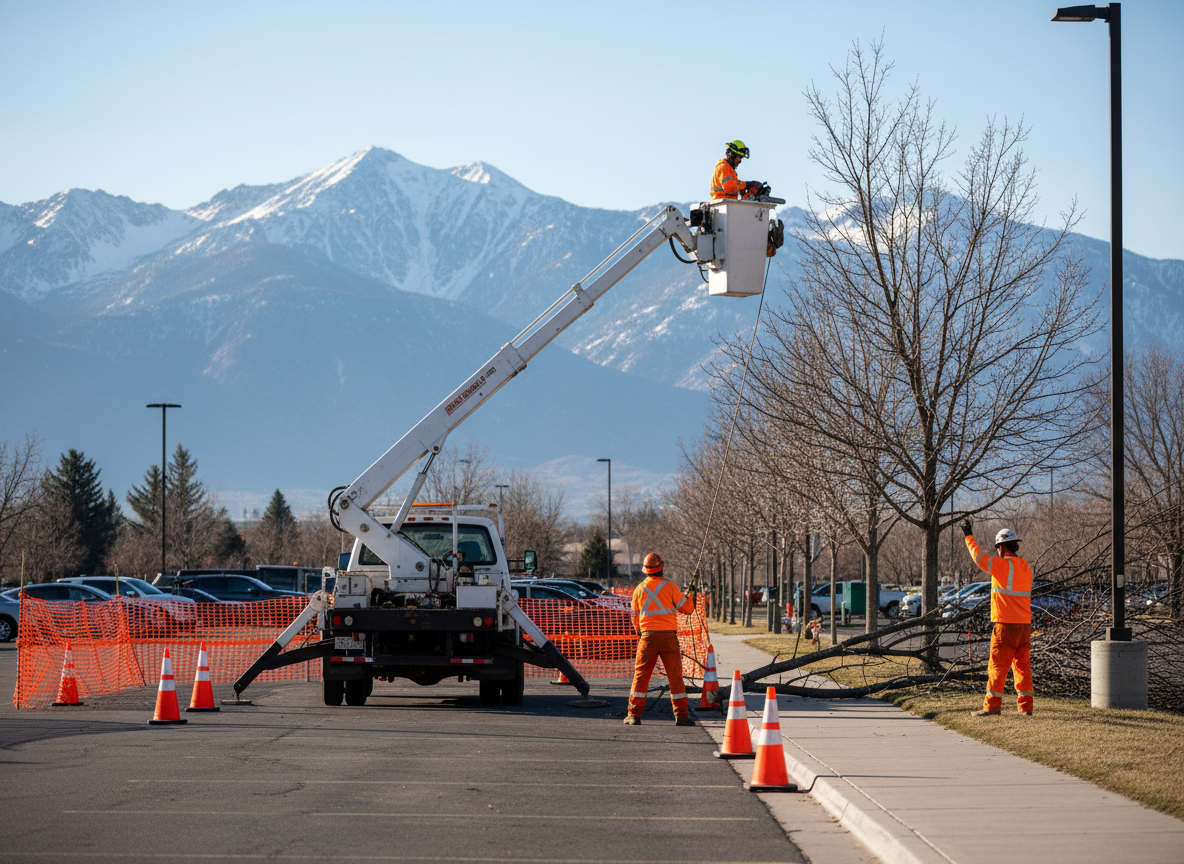
Specialized climbing or aerial lift work
Clear drop zones and traffic control for commercial sites
Proper pruning cuts to reduce decay and future breakage
This is especially important for limbs near rooflines, fences, and high-traffic areas.
Northern Utah specifics: why our climate affects limb failure
Trees in Northern Utah deal with a few repeat stressors:
Heavy snow that loads limbs and causes splitting
Windstorms that twist and snap long, over-extended branches
Drought and heat that weaken trees over time
Freeze/thaw cycles that expand cracks and stress attachments
Irrigation patterns that can create uneven growth and weight distribution
If you’re in places like Pleasant View, Harrisville, or North Ogden, you’ve probably seen mature trees that look healthy—until winter exposes weak structure.
Regular pruning isn’t just cosmetic. It’s one of the best ways to reduce the likelihood of sudden limb failure.
If you’re planning proactive maintenance, our tree trimming page is a good place to start: https://darrellstreeservices.com/tree-trimming/
Commercial properties: reducing liability and keeping sites open
For businesses and commercial properties, limb removal often needs a little more coordination:
Scheduling around peak hours
Protecting walkways, entrances, and parking
Communicating with tenants or staff
Documenting work for HOA boards or property records
If you manage multiple sites across Northern Utah—Ogden, Riverdale, West Haven, or Brigham City—having a reliable team matters. You want consistent safety standards, clear communication, and a crew that leaves the site clean.
We work with HOAs, churches, small businesses, and property managers across the Wasatch Front, and we’re happy to help you build a plan that reduces risk before the next storm.
Residential properties: protecting your home without over-pruning
Homeowners often worry that removing a big limb will “ruin the tree.” That’s a fair concern.
A professional approach focuses on:
Removing the hazard limb safely
Making proper cuts that support healing
Balancing the canopy so the tree isn’t left lopsided
Recommending follow-up pruning only if it truly helps
If the limb is part of a larger decline (deadwood, disease, insect issues), we’ll tell you honestly what we see and what options make sense.
If you suspect the whole tree may be unsafe, you can review our tree removal service here: https://darrellstreeservices.com/tree-removal/
How to keep tree limb removal costs under control
You can’t control the weather, but you can reduce surprise costs with a few practical steps:
Schedule preventive pruning before winter storms or high-wind seasons
Address small issues early (minor cracks and dead limbs don’t get cheaper with time)
Combine work if multiple limbs need attention on the same tree
Keep access clear (unlock gates, move vehicles, and clear work areas if possible)
If you’re a property manager, a seasonal inspection plan can be a smart way to prevent emergency calls.
A simple rule: if it can hit something, don’t gamble
If a limb can hit a roof, a car, a sidewalk, or a person, the “DIY savings” usually aren’t worth the risk.
Darrell’s Tree Service has been serving Northern Utah since 1981, and we’ve handled everything from routine pruning to storm-damaged hazards. If you want a clear, honest assessment of your situation—and a plan that prioritizes safety and cleanup—I’m happy to help.
Get a free estimate in Northern Utah
If you’re in Ogden, North Ogden, Pleasant View, Harrisville, Riverdale, Roy, Clinton, Clearfield, Sunset, Layton, South Weber, West Haven, Hooper, Farr West, Marriott-Slaterville, or Brigham City, you can request an estimate or consultation here: https://darrellstreeservices.com/appointment
FAQs: tree limb removal cost (Utah) and common questions
How much does tree limb removal cost in Utah?
Tree limb removal cost in Utah depends on limb size, height, risk level, access, and cleanup needs. The safest way to price it is with an on-site assessment so the plan matches the actual hazards.
Can you remove a limb without damaging my roof or landscaping?
Yes—when the job is planned and rigged correctly. Professional crews use controlled lowering techniques and sectional removal to keep limbs from swinging or dropping onto structures.
How long does tree limb removal take?
Many single-limb jobs can be completed in a few hours, but time varies based on height, access, and whether rigging or an aerial lift is needed. Complex, high-risk limbs may take longer.
Is a hanging limb considered an emergency?
Often, yes—especially if it’s over a roofline, driveway, sidewalk, or parking area. If a limb is near power lines, treat it as urgent and keep people away.
Do you haul away the debris?
In most cases, yes. Cleanup and haul-away can be included so the property is left tidy and usable—especially important for commercial sites.
Should I prune the rest of the tree after a limb breaks?
Sometimes. A broken limb can signal imbalance or weak structure elsewhere in the canopy. A certified arborist can recommend selective pruning to reduce future failures without over-pruning the tree.
Do you serve commercial properties and HOAs in Northern Utah?
Yes. We work with HOAs, churches, property managers, and commercial sites across Northern Utah and the Wasatch Front, and we can coordinate timing to reduce disruption and keep your site safe.

Serving Ogden and Northern Utah with trusted, certified tree care since 1981.


