Darrell’s Tree Service
Trusted Residential and Commercial Tree Service for Northern Utah
Serving Ogden & The Wasatch Front Since 1981
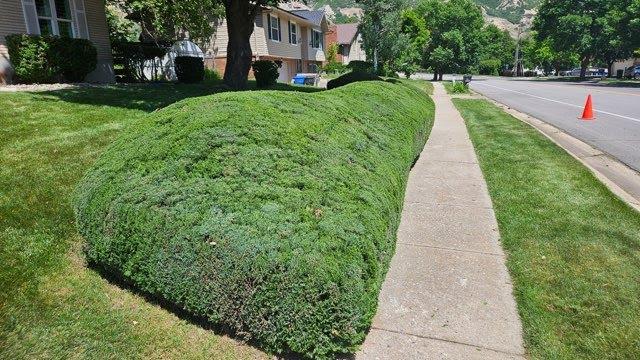
Healthy Trees.
Happy Propertys.
Peace of Mind.
For over 40 years, Darrell’s Tree Service has been Northern Utah’s go-to team for expert tree care, removal, and landscape solutions. Our certified arborists combine deep local knowledge with professional training to keep your property safe, beautiful, and thriving, season after season.
Our Services
OUR SERVICES
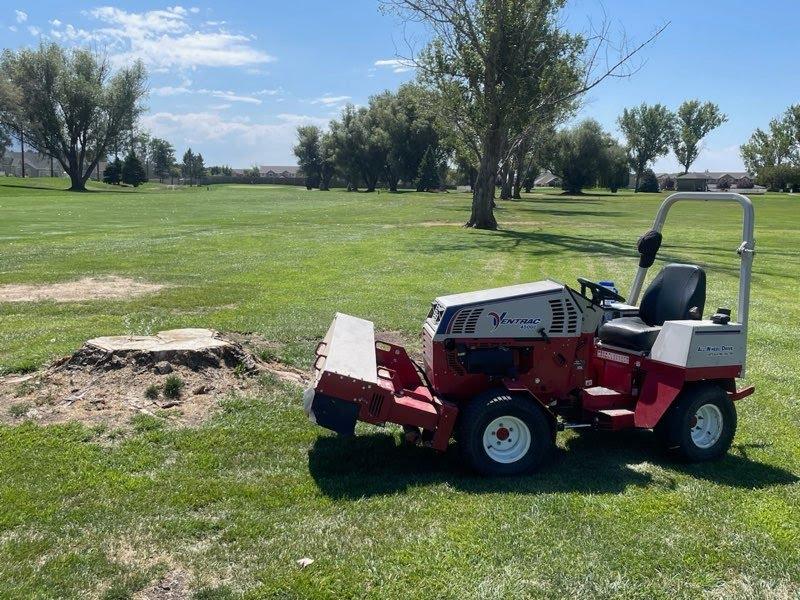
Tree Removal &
Stump Services
Tree Removal, Hazardous Tree Removal, Stump Grinding & Removal, Land Clearing.
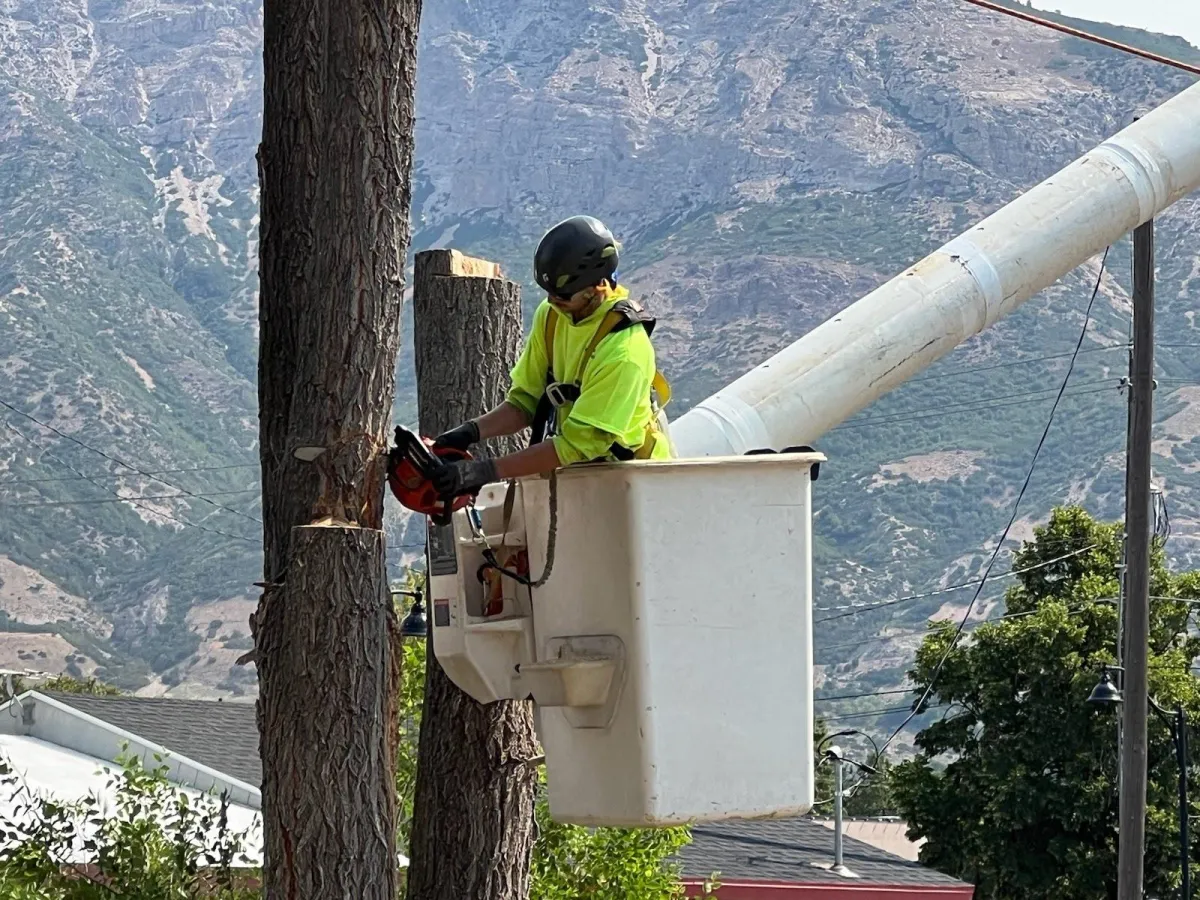
Tree & Shrub Care
Trimming & Pruning, Shrub & Landscape Maintenance, Fertilization, Treatment

Emergency &
Storm Services
Emergency Tree Services, Storm Damage Response
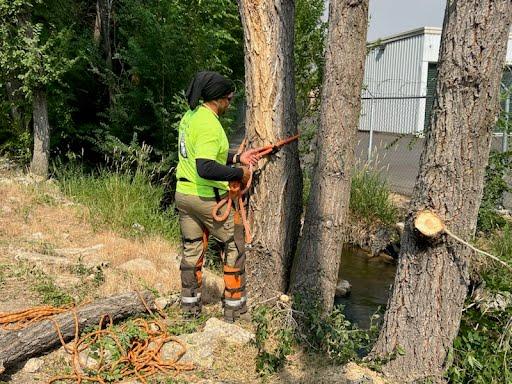
Tree Health & Structural Support
Diagnosis & Risk Management, Cabling, Bracing & Preservation
Why Choose Darrell’s?
Trusted, Local Tree Care Experts
Since 1981
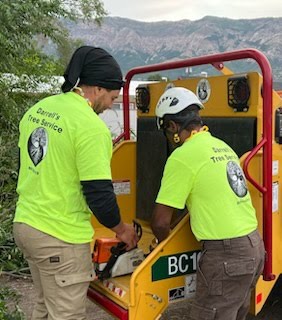
Here's what you get:
Locally Owned & Operated Since 1981
Certified, Experienced Arborists
Free, No-Obligation Estimates
Fully Licensed & Insured
Prompt, Thorough Cleanup, Every Job
4.6-Star Rated by Your Neighbors
Areas We Serve
CLIENT'S REVIEWS
WE HANDLE EVERYTHING FOR YOU
OVER
40
YEARS OF SERVICE
OVER
52,000
TREES TAKEN CARE OF
OVER
30
COMMUNITIES SERVED
Commercial Tree Service
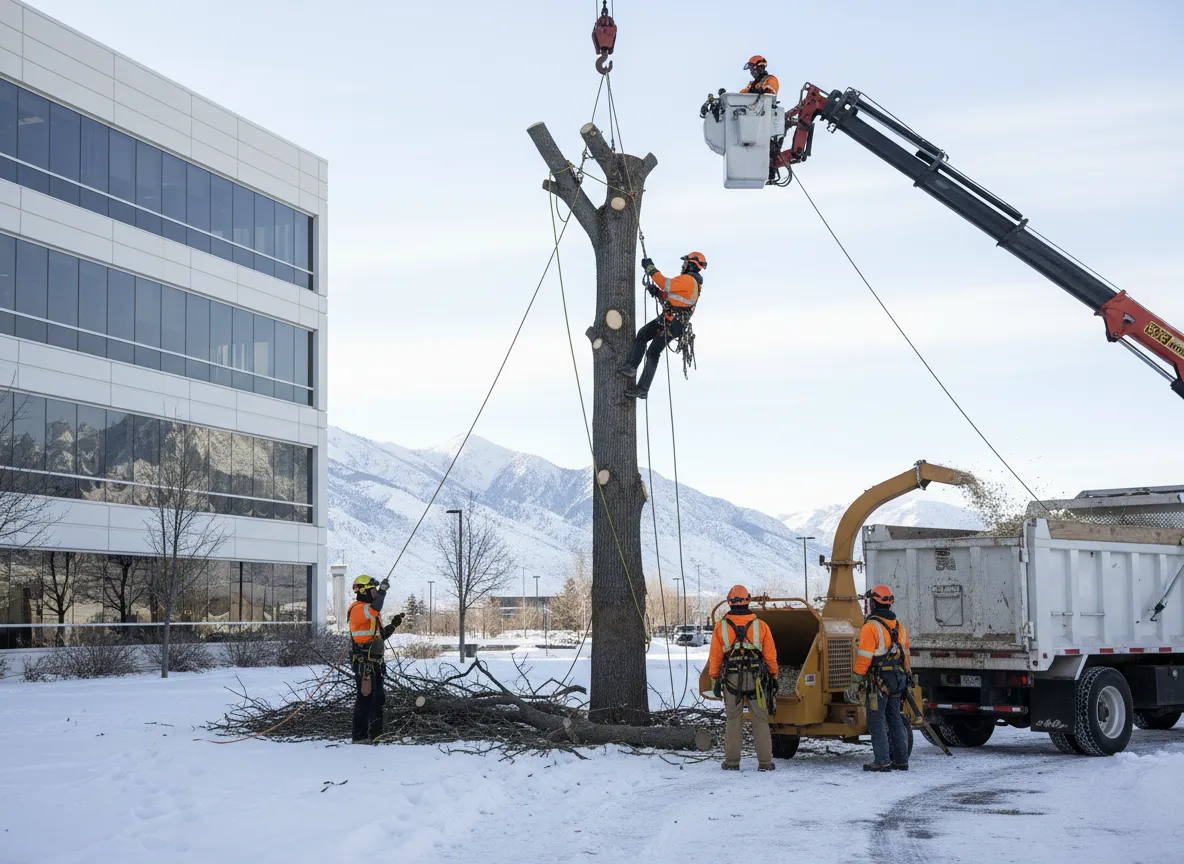
We serve cities, churches, schools, hospitals, property management companies, HOAs, and businesses throughout the region. Our certified arborists and fully insured team deliver professional tree removal, pruning, stump grinding, and root grinding services tailored to meet the unique needs of commercial properties.
Whether you manage a municipal facility, institutional campus, apartment complex, or retail property, we provide reliable, efficient service that protects your investment and maintains your landscape's health and safety. From emergency storm response to routine maintenance, Darrell's Tree Service combines certified expertise with competitive pricing to keep your commercial property looking its best. Contact us today for a free estimate and discover why Weber County, Davis County, Box Elder County, and Salt Lake County trust us leading organizations trust us with their tree care needs.
Residential Tree Service
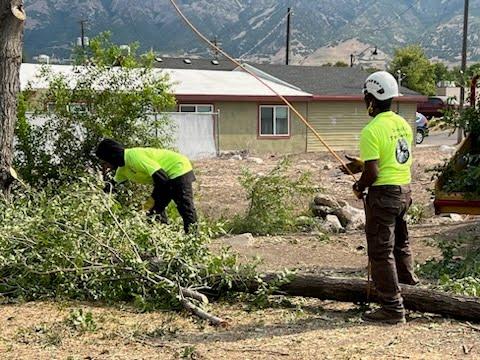
Darrell's Tree Service is the trusted choice for residential tree care throughout Ogden, Layton, Salt Lake City, and surrounding Northern Utah communities. With over 40 years of local expertise, our certified arborists deliver professional tree removal, pruning, stump grinding, and root grinding services designed to protect your home and property. Whether you're dealing with storm damage, overgrown trees threatening your foundation, or routine maintenance to keep your landscape healthy and safe, our fully insured team provides reliable, efficient service at competitive prices.
We understand that your home is your most valuable investment, which is why we treat every residential project with the care and attention it deserves. From emergency 24/7 response to scheduled maintenance, Darrell's Tree Service combines certified expertise with transparent pricing and exceptional customer service. Contact us today for a free estimate and experience why homeowners from as far North as Logan and Tremonton to Salt Lake City and everything in between Northern Utah.
RECENT POSTS
Wildfire Season Tree Prep: Fire Mitigation Tips for Ogden & North Ogden
Wildfire Season Tree Prep: Fire Mitigation Tips for Ogden & North Ogden Homeowners
If you live in Ogden or North Ogden, you already know that wildfire season in Utah isn't just a summer thing anymore. It stretches from late spring through early fall, and the dry canyon winds that sweep down from the Wasatch foothills can turn a small spark into a serious threat in minutes. Tree fire mitigation in Utah — especially around Ogden — is one of the most practical things you can do to protect your home, your family, and your property before fire season peaks. The good news? Most of it comes down to smart tree care and yard maintenance you can stay on top of year-round.
Why Fire Mitigation Matters in North Ogden and the Wasatch Foothills
North Ogden sits right at the base of the Wasatch Range, which means many homes are tucked into or near the wildland-urban interface — that transition zone where neighborhoods meet undeveloped brush and timber. It's beautiful, but it also means your trees and landscaping are literally the first line of defense if a fire moves through the area. The freeze-thaw cycles we get each winter in Northern Utah stress trees and create deadwood that dries out by midsummer, adding ready fuel. When you combine that with the hot, dry stretches we've been seeing more of each year, the risk near the foothills is real. Mitigation isn't about clearing everything bare — it's about creating defensible space and reducing the fuel load around your home so fire has less to burn and firefighters have room to work.
Create Defensible Space Around Your Home
Defensible space is the buffer you create between your house and the surrounding vegetation, and it's the single most effective step you can take. Start with the first 30 feet around your home — this is your immediate zone. Keep trees trimmed back so no branches overhang your roof or touch your siding. Remove dead leaves, pine needles, and debris from gutters and the ground near your foundation. If you have shrubs planted under trees, thin them out or remove them entirely, because fire can use those lower plants as a ladder to climb into the canopy. In the 30-to-100-foot zone, space your trees so their canopies don't overlap, which slows the spread of crown fires. For North Ogden properties on sloped terrain near the foothills, give even more space on the downhill side — fire moves faster uphill, and those canyon winds push it right toward homes perched on the bench.
Remove Deadwood and Thin Overgrown Canopies
Dead branches are dry tinder, and every Utah homeowner near the Wasatch front has seen how fast they accumulate after a hard winter. Professional deadwooding — systematically removing dead, dying, or broken branches from the canopy — reduces the fuel load significantly and also keeps your trees healthier overall. Thinning is just as important. When a canopy is too dense, air can't move through it, which means it stays wet longer after rain but also dries out unevenly and holds heat. A properly thinned tree lets wind pass through, which actually reduces fire intensity by preventing heat from building up inside the canopy. This is where an experienced tree crew makes a real difference — knowing which branches to remove to open the tree without over-pruning or stressing it takes a trained eye. For Ogden homeowners with mature maples, oaks, or evergreens, a seasonal thinning before fire season is one of the best investments you can make.
Choose and Place Trees With Fire Risk in Mind
If you're planting new trees or replacing ones that have been removed, think about species selection and placement. Deciduous trees like maples and aspens generally have higher moisture content and are less flammable than resinous conifers like junipers and pines. That doesn't mean you can't have evergreens — they're part of what makes Northern Utah yards feel like home — but keep them at least 30 feet from your house and avoid clustering them. Space conifers farther apart than you would deciduous trees, and keep their lower branches pruned up at least six to ten feet from the ground so ground fire can't ladder into the canopy. The freeze-thaw cycles in Ogden and North Ogden can also crack soil and expose roots, so mulch properly to retain moisture and keep the root zone healthy. A well-hydrated tree is a more fire-resistant tree, plain and simple.
Don't Forget Stumps, Root Systems, and Ground Fuel
It's easy to focus on what's above ground and forget what's below. Old stumps and exposed root systems can smolder for days after a fire passes through, reigniting when the wind picks up. If you've had a tree removed recently, getting that stump ground out before fire season eliminates a hidden fuel source. Root grinding goes a step further — removing the larger surface roots that can catch and hold embers. Combine that with clearing out leaf litter, dried grass, and stacked firewood (keep wood at least 30 feet from your home and off the ground), and you've addressed the ground-level fuel that most homeowners overlook. In neighborhoods near the North Ogden bench and Ogden's east side, where properties back up to open hillside, these details matter more than you'd think.
Get a Professional Assessment Before Fire Season Peaks
The best time to prepare is before you need to. A professional tree health and risk assessment gives you a clear picture of which trees on your property are healthy, which need work, and which might need to come down entirely. An experienced arborist can spot hazards you'd never notice — a crack in a trunk, a root system compromised by years of freeze-thaw, a canopy that's carrying too much dead weight. They'll also help you prioritize, so if you're working with a budget, you tackle the highest-risk items first. For homeowners in Ogden, North Ogden, and the surrounding Weber County communities, having a local crew that understands the terrain, the wind patterns, and the specific tree species we deal with in Northern Utah makes all the difference.
Don't wait until there's smoke on the horizon. Call Darrell's Tree Services today at (801) 814-8119 or visit darrellstreeservices.com for a free assessment. We'll help you build defensible space, thin your canopies, remove deadwood, and get your property ready for whatever this fire season brings.

Serving Ogden and Northern Utah with trusted, certified tree care since 1981.


