Darrell’s Tree Service
Trusted Residential and Commercial Tree Service for Northern Utah
Serving Ogden & The Wasatch Front Since 1981
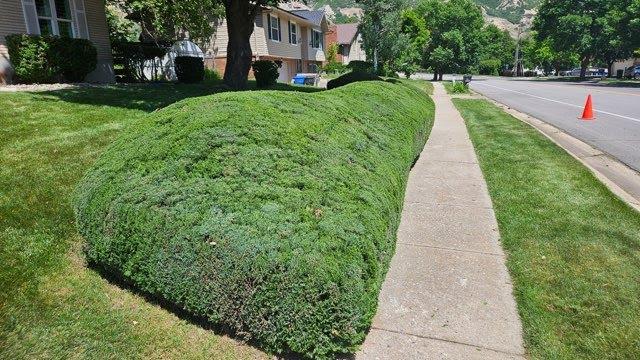
Healthy Trees.
Happy Propertys.
Peace of Mind.
For over 40 years, Darrell’s Tree Service has been Northern Utah’s go-to team for expert tree care, removal, and landscape solutions. Our certified arborists combine deep local knowledge with professional training to keep your property safe, beautiful, and thriving, season after season.
Our Services
OUR SERVICES
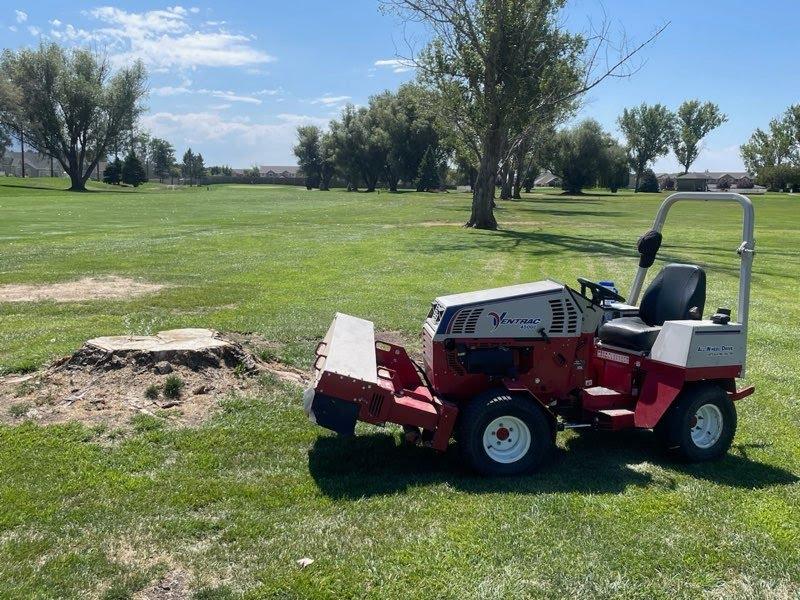
Tree Removal &
Stump Services
Tree Removal, Hazardous Tree Removal, Stump Grinding & Removal, Land Clearing.
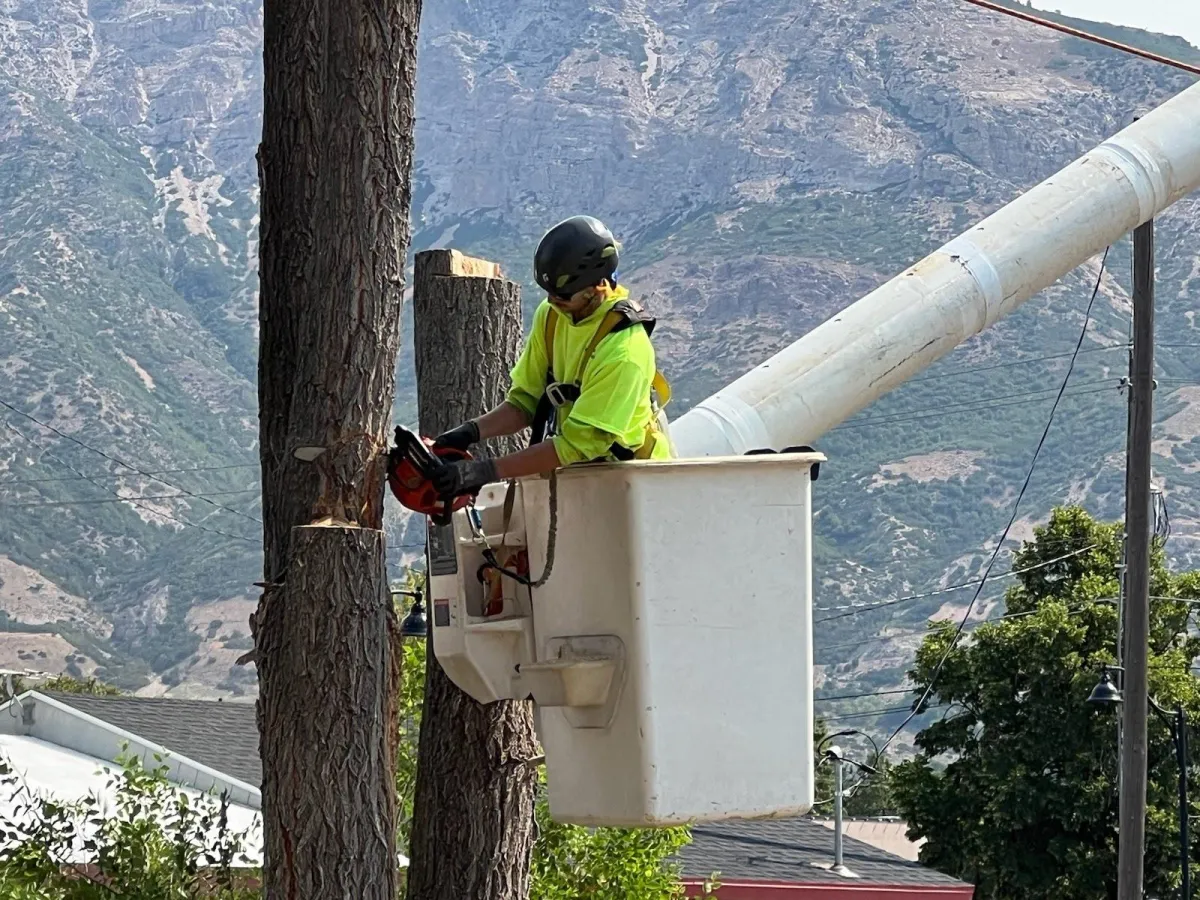
Tree & Shrub Care
Trimming & Pruning, Shrub & Landscape Maintenance, Fertilization, Treatment

Emergency &
Storm Services
Emergency Tree Services, Storm Damage Response
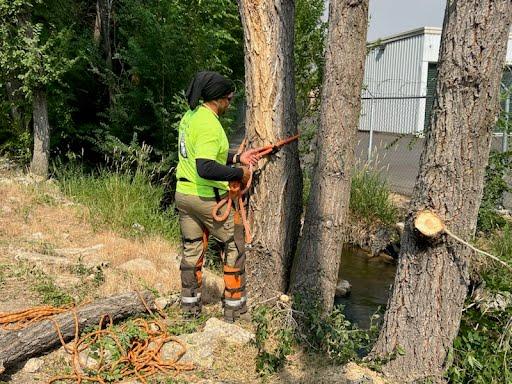
Tree Health & Structural Support
Diagnosis & Risk Management, Cabling, Bracing & Preservation
Why Choose Darrell’s?
Trusted, Local Tree Care Experts
Since 1981
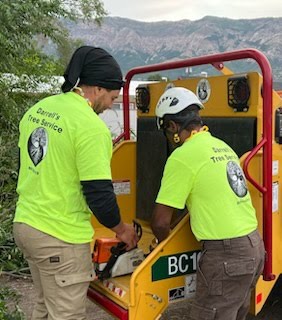
Here's what you get:
Locally Owned & Operated Since 1981
Certified, Experienced Arborists
Free, No-Obligation Estimates
Fully Licensed & Insured
Prompt, Thorough Cleanup, Every Job
4.6-Star Rated by Your Neighbors
Areas We Serve
CLIENT'S REVIEWS
WE HANDLE EVERYTHING FOR YOU
OVER
40
YEARS OF SERVICE
OVER
52,000
TREES TAKEN CARE OF
OVER
30
COMMUNITIES SERVED
Commercial Tree Service
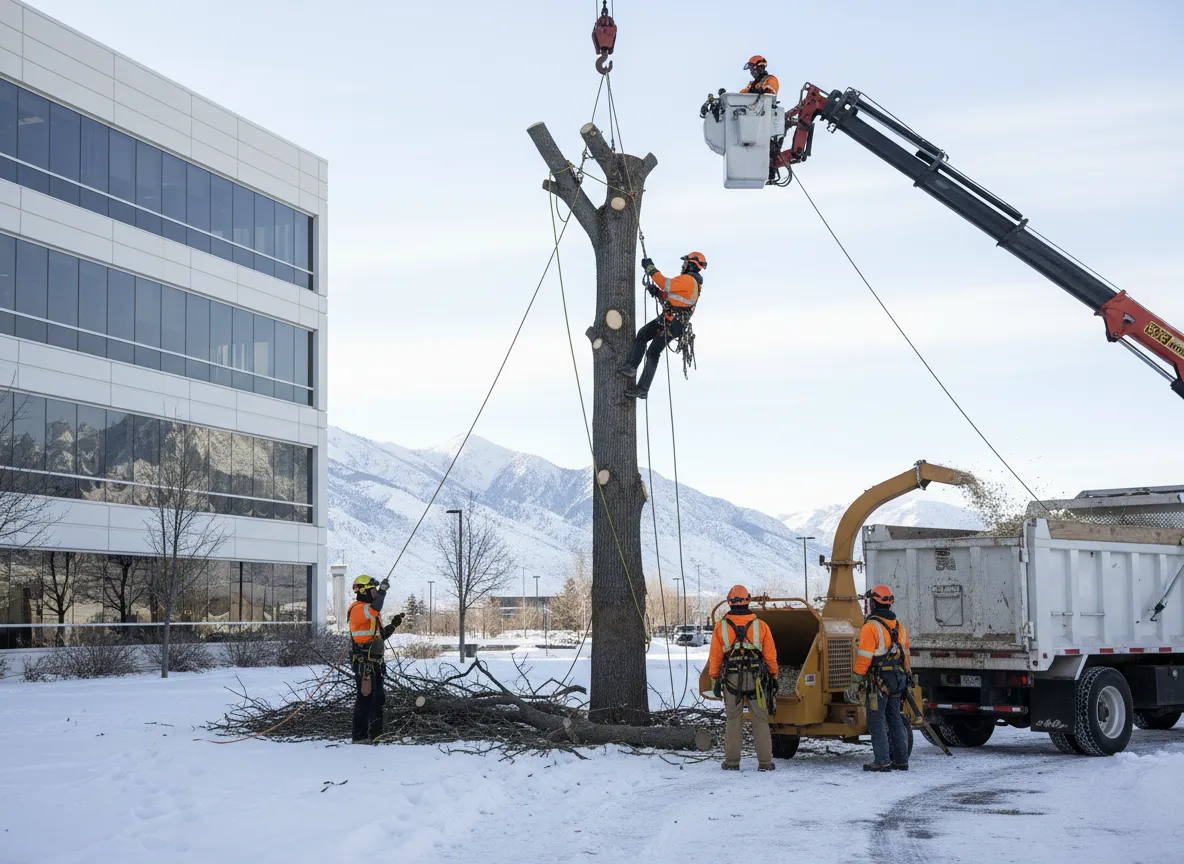
We serve cities, churches, schools, hospitals, property management companies, HOAs, and businesses throughout the region. Our certified arborists and fully insured team deliver professional tree removal, pruning, stump grinding, and root grinding services tailored to meet the unique needs of commercial properties.
Whether you manage a municipal facility, institutional campus, apartment complex, or retail property, we provide reliable, efficient service that protects your investment and maintains your landscape's health and safety. From emergency storm response to routine maintenance, Darrell's Tree Service combines certified expertise with competitive pricing to keep your commercial property looking its best. Contact us today for a free estimate and discover why Weber County, Davis County, Box Elder County, and Salt Lake County trust us leading organizations trust us with their tree care needs.
Residential Tree Service
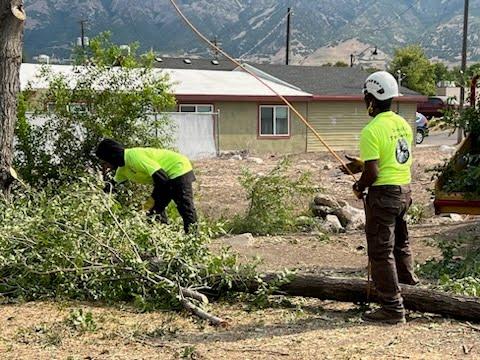
Darrell's Tree Service is the trusted choice for residential tree care throughout Ogden, Layton, Salt Lake City, and surrounding Northern Utah communities. With over 40 years of local expertise, our certified arborists deliver professional tree removal, pruning, stump grinding, and root grinding services designed to protect your home and property. Whether you're dealing with storm damage, overgrown trees threatening your foundation, or routine maintenance to keep your landscape healthy and safe, our fully insured team provides reliable, efficient service at competitive prices.
We understand that your home is your most valuable investment, which is why we treat every residential project with the care and attention it deserves. From emergency 24/7 response to scheduled maintenance, Darrell's Tree Service combines certified expertise with transparent pricing and exceptional customer service. Contact us today for a free estimate and experience why homeowners from as far North as Logan and Tremonton to Salt Lake City and everything in between Northern Utah.
RECENT POSTS
Summer Tree Care in Utah: What Ogden Homeowners Should Know Right Now
Summer in Northern Utah hits trees differently than most people realize. The combination of intense heat, dry canyon air, and soil that bakes hard between the Wasatch foothills means your trees are working overtime from June through August. The damage often doesn't show up until it's already done. If you're a homeowner in Ogden, Roy, Clearfield, or anywhere in Weber County, knowing what to look for right now could save you from a costly removal down the road.
Why Summer Tree Care in Utah Is Different
Most people think of winter as the hard season for trees. In Utah, summer is just as brutal. We don't get the steady rainfall that trees in other parts of the country count on. Our summers are hot, dry, and long, and trees in urban yards deal with reflected heat from driveways, rooftops, and fences on top of everything else. Northern Utah also sits at elevation, which means UV intensity is higher than you'd expect. Trees that looked completely healthy in May can start showing stress signs by the Fourth of July. When you add drought conditions, you've got a recipe for trees that are quietly struggling even when they still look green.
Signs Your Tree Is Under Summer Heat Stress
The most common sign is leaf scorch -- the edges of leaves turn brown and crispy while the center stays green. You'll also see early leaf drop, where trees shed leaves in July or August as a survival mechanism to conserve moisture. Neither of these means your tree is dying, but both mean it's telling you something.
Watch for wilting during the hottest part of the day, especially in younger trees that haven't established deep root systems yet. Wilting that bounces back by evening is heat stress. Wilting that stays wilted even after cooler overnight temperatures is a more serious warning sign. Bark cracks, unusual fungal growth at the base, or branches that stayed bare after everyone else leafed out in spring are all worth paying attention to. Trees under stress become vulnerable to secondary problems -- insects and disease move in fast when a tree's defenses are down.
The Drought Factor: What Roy and Clearfield Homeowners Are Seeing This Season
Homeowners in Roy and Clearfield are dealing with the same issue we see across Weber County every dry summer -- soil that compacts hard and pulls away from tree roots. When soil shrinks back like that, it damages surface roots and makes it harder for water to penetrate even when you do irrigate.
Deep watering matters more than frequent shallow watering. A slow, deep soak once or twice a week does far more for your trees than a quick daily sprinkle. The goal is to get water down to the root zone -- typically 12 to 18 inches deep. A soaker hose placed around the drip line of the tree is one of the most effective tools a homeowner has. Mulch is the other piece people often skip. A 3 to 4 inch ring of wood chip mulch around the base of a tree retains soil moisture, moderates soil temperature, and slowly feeds the tree as it breaks down. During a Utah summer, that mulch layer can drop soil temperature by 10 degrees or more.
When to Trim and When to Wait
Light, targeted pruning to remove dead or crossing branches is fine year-round. Major structural work is better saved for late fall or early spring when the tree isn't already under heat stress. But if you have a branch that looks dead, diseased, or at risk of falling, don't wait. A dead branch in July is a hazard regardless of the season. The Wasatch front gets strong afternoon thunderstorms from July through September, and wind-loaded dead branches come down fast. If you're looking at a branch over your roof, your fence, or anywhere your kids play, get eyes on it now.
Trees That Struggle Most in Northern Utah Summers
Native and adapted species -- Gambel oak, mountain mahogany, Utah juniper -- are built for this climate. Maples are particularly prone to summer stress in Utah. They're popular in yards across Ogden and North Ogden, but they're not naturally drought-tolerant. If you've got a mature maple that's looking rough this summer, increased deep watering and a fresh layer of mulch can make a real difference. Aspens are another one to watch. A stressed aspen grove will often send up suckers as a survival response -- that's the tree telling you it's under stress.
Get a Professional Eye Before It Becomes an Emergency
A proper tree health assessment includes looking at root collar health, checking for signs of wood decay, evaluating branch structure and load, and assessing overall canopy density. At Darrell's Tree Services, we've been working with Northern Utah homeowners long enough to know what summer does to trees in this specific climate. We know the difference between a tree that needs water and attention and one that's past the point of recovery. We'd rather give you an honest assessment early than show up to do a removal later.
If you've got a tree you're not sure about -- one that's looking different this summer, dropping leaves early, or just not thriving -- give us a call. We serve Ogden, Roy, Clearfield, North Ogden, Layton, and the surrounding area. Call Darrell's Tree Services today at (801) 814-8119 or visit darrellstreeservices.com to schedule your free assessment. Don't wait until a stressed tree becomes an emergency.

Serving Ogden and Northern Utah with trusted, certified tree care since 1981.


