Darrell’s Tree Service
Trusted Residential and Commercial Tree Service for Northern Utah
Serving Ogden & The Wasatch Front Since 1981
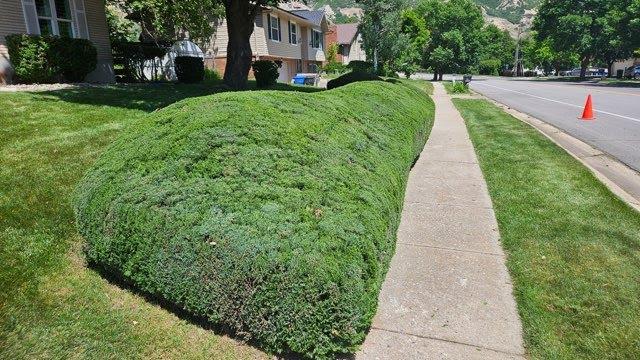
Healthy Trees.
Happy Propertys.
Peace of Mind.
For over 40 years, Darrell’s Tree Service has been Northern Utah’s go-to team for expert tree care, removal, and landscape solutions. Our certified arborists combine deep local knowledge with professional training to keep your property safe, beautiful, and thriving, season after season.
Our Services
OUR SERVICES
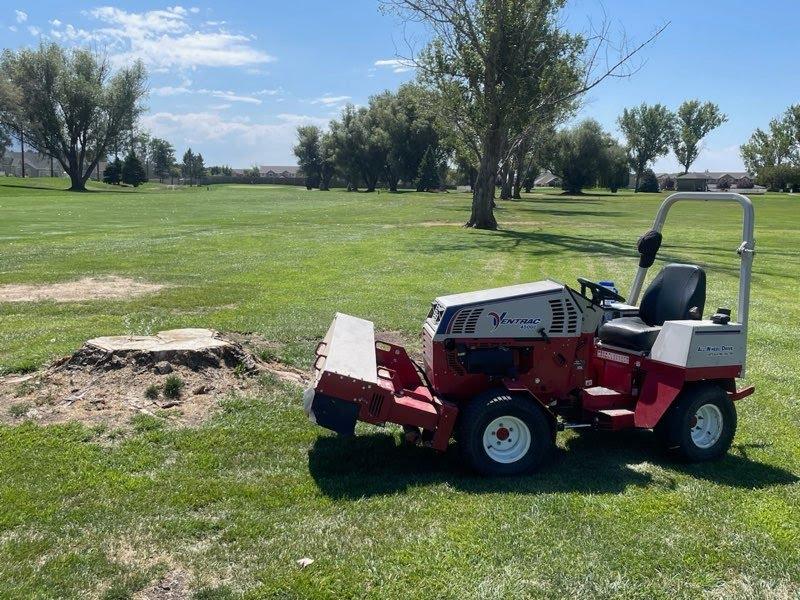
Tree Removal &
Stump Services
Tree Removal, Hazardous Tree Removal, Stump Grinding & Removal, Land Clearing.
Tree & Shrub Care
Trimming & Pruning, Shrub & Landscape Maintenance, Fertilization, Treatment

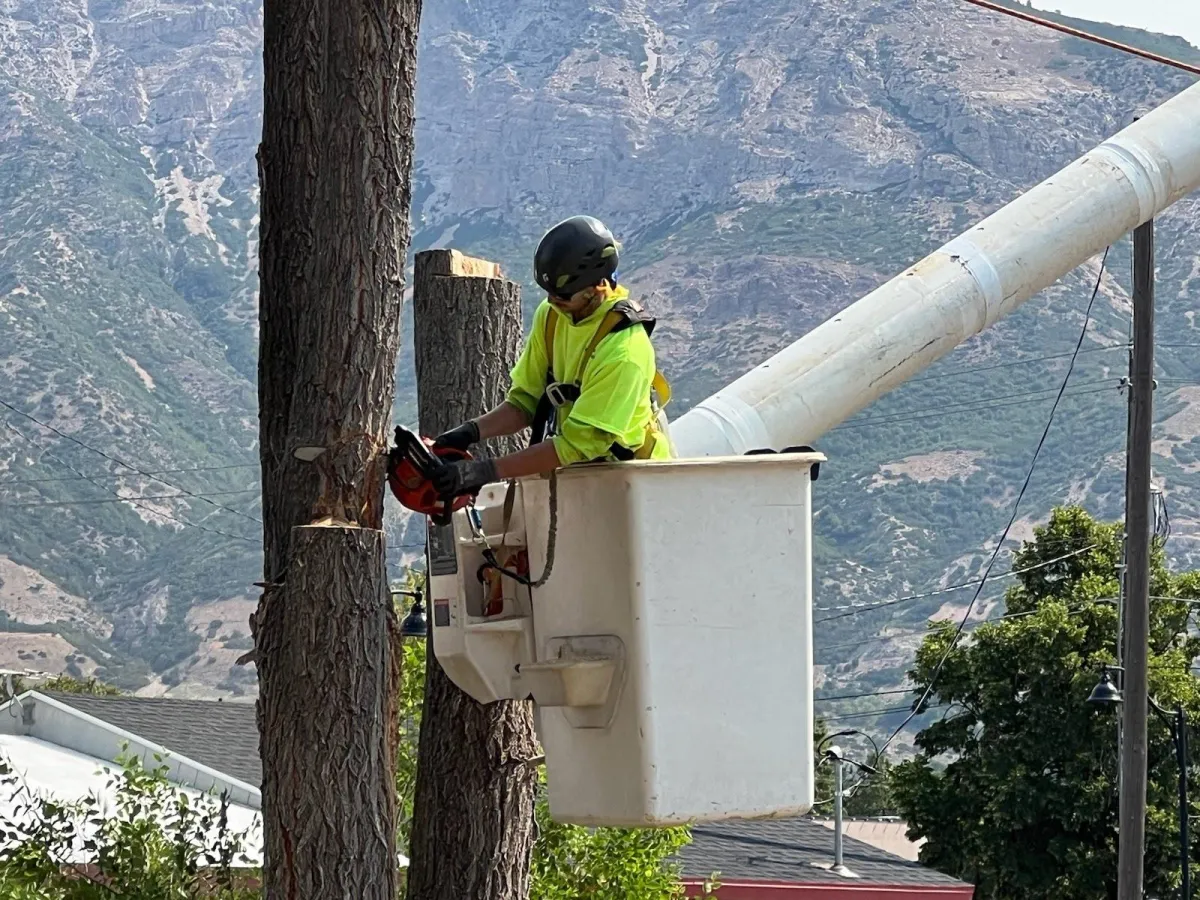
Emergency &
Storm Services
Emergency Tree Services, Storm Damage Response
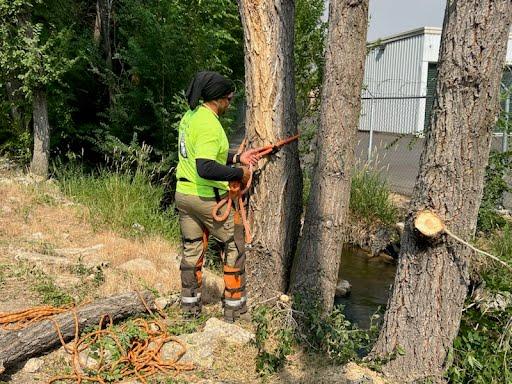
Tree Health & Structural Support
Diagnosis & Risk Management, Cabling, Bracing & Preservation
Why Choose Darrell’s?
Trusted, Local Tree Care Experts
Since 1981
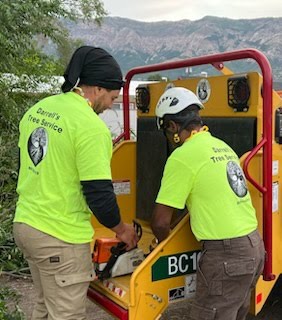
Here's what you get:
Locally Owned & Operated Since 1981
Certified, Experienced Arborists
Free, No-Obligation Estimates
Fully Licensed & Insured
Prompt, Thorough Cleanup, Every Job
4.6-Star Rated by Your Neighbors
Areas We Serve
CLIENT'S REVIEWS
WE HANDLE EVERYTHING FOR YOU
OVER
40
YEARS OF SERVICE
OVER
52,000
TREES TAKEN CARE OF
OVER
30
COMMUNITIES SERVED
Commercial Tree Service
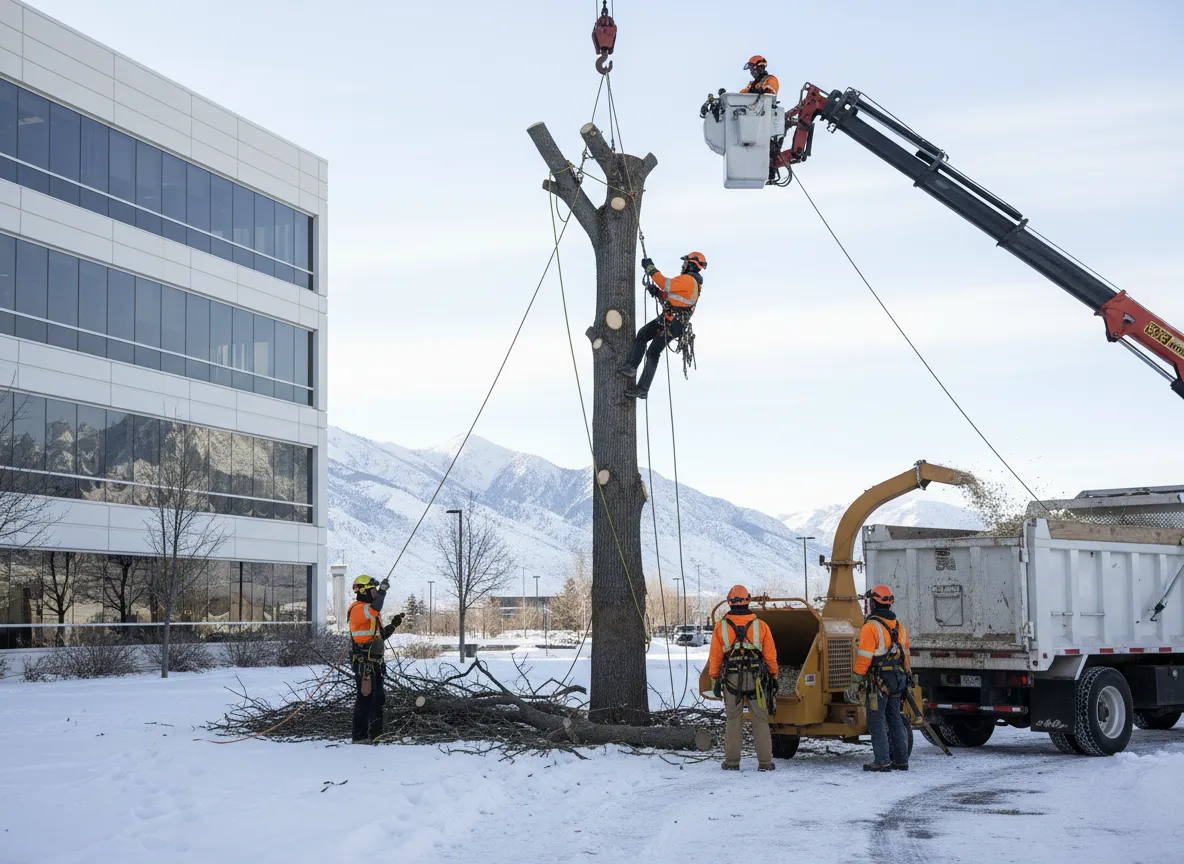
We serve cities, churches, schools, hospitals, property management companies, HOAs, and businesses throughout the region. Our certified arborists and fully insured team deliver professional tree removal, pruning, stump grinding, and root grinding services tailored to meet the unique needs of commercial properties.
Whether you manage a municipal facility, institutional campus, apartment complex, or retail property, we provide reliable, efficient service that protects your investment and maintains your landscape's health and safety. From emergency storm response to routine maintenance, Darrell's Tree Service combines certified expertise with competitive pricing to keep your commercial property looking its best. Contact us today for a free estimate and discover why Weber County, Davis County, Box Elder County, and Salt Lake County trust us leading organizations trust us with their tree care needs.
Residential Tree Service
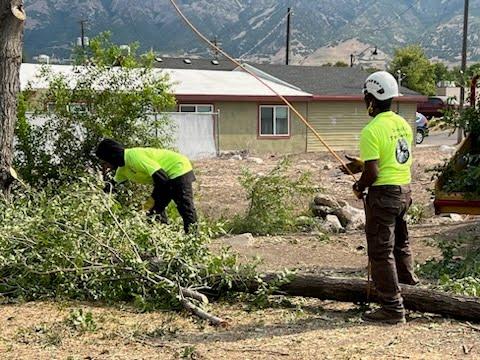
Darrell's Tree Service is the trusted choice for residential tree care throughout Ogden, Layton, Salt Lake City, and surrounding Northern Utah communities. With over 40 years of local expertise, our certified arborists deliver professional tree removal, pruning, stump grinding, and root grinding services designed to protect your home and property. Whether you're dealing with storm damage, overgrown trees threatening your foundation, or routine maintenance to keep your landscape healthy and safe, our fully insured team provides reliable, efficient service at competitive prices.
We understand that your home is your most valuable investment, which is why we treat every residential project with the care and attention it deserves. From emergency 24/7 response to scheduled maintenance, Darrell's Tree Service combines certified expertise with transparent pricing and exceptional customer service. Contact us today for a free estimate and experience why homeowners from as far North as Logan and Tremonton to Salt Lake City and everything in between Northern Utah.
RECENT POSTS
Summer Tree Care Utah: Protect Trees from Heat Stress
Summer Tree Care Utah: Protect Trees from Heat Stress
Summer tree care in Utah matters more than many homeowners realize. In Roy, Clearfield, and North Ogden, long stretches of dry weather, intense afternoon sun, and hot winds can put real stress on otherwise healthy trees. A tree may look fine from the street while its roots are drying out, its leaves are losing moisture, and its branches are becoming more vulnerable to pests, disease, and breakage.
The good news is that a few thoughtful changes can help your trees handle Northern Utah's hottest months. Understanding the signs of heat stress, watering deeply, protecting the root zone, and scheduling professional maintenance at the right time can make a meaningful difference for your landscape.
How Utah Summer Heat Stresses Your Trees
Trees lose water through their leaves in a natural process called transpiration. During a hot, dry summer, the soil may not contain enough moisture to replace what the tree is losing. Utah's low humidity makes that imbalance worse, especially when temperatures climb day after day without meaningful rain.
Young trees, recently planted trees, and trees growing near pavement are often affected first. Concrete and asphalt reflect heat back toward the canopy and warm the soil around the roots. Trees on exposed lots in Roy or Clearfield may also deal with persistent wind, while properties near the Wasatch foothills can experience dry canyon winds that pull moisture from leaves and branches quickly.
Heat stress can show up as wilted or curling leaves, scorched brown edges, early leaf drop, slow growth, and dead-looking twigs at the ends of branches. Some trees respond by shedding leaves to conserve water. That response does not always mean the tree is dying, but it does mean the tree needs attention.
Water Deeply Instead of Watering Often
One of the most common summer watering mistakes is providing a little water every day. Light watering may wet the surface while leaving the deeper root zone dry. It can also encourage shallow roots, which are less capable of supporting a mature tree during drought.
For established trees, slow and deep watering is usually more helpful. Apply water around the tree's drip line, which is the area beneath the outer branches, rather than placing all the water against the trunk. A soaker hose or hose left at a slow trickle can allow moisture to move gradually into the soil. The exact amount and frequency depend on the tree species, soil type, age, and weather, so check the soil several inches below the surface before watering again.
Newly planted trees need especially close attention because their root systems have not spread into the surrounding soil. During a hot spell, inspect them frequently and water slowly enough that the soil absorbs the moisture instead of sending it down the driveway or sidewalk.
Protect the Root Zone with Mulch
Mulch is one of the simplest tools for summer tree care in Utah. A two- to four-inch layer of organic mulch helps the soil retain moisture, moderates temperature, and reduces competition from grass and weeds. As mulch breaks down, it can also improve soil structure.
Keep mulch a few inches away from the trunk. A mound of mulch pressed against the bark holds moisture against the trunk and can create conditions that invite decay, insects, and disease. Spread mulch in a broad, even ring that covers as much of the root zone as practical. If the soil is compacted or the tree is surrounded by lawn, a professional can help determine whether aeration or a larger mulch area would improve root health.
Be Careful with Pruning During Heat
Pruning can improve a tree's structure and remove hazardous wood, but heavy pruning during extreme heat can add stress. Removing too much foliage reduces the tree's ability to produce energy and can expose previously shaded branches and bark to intense sunlight. Topping, in particular, creates weak regrowth and should not be used as a shortcut for controlling height.
Dead, broken, or clearly hazardous branches should be evaluated promptly, especially if they hang over a roof, driveway, walkway, or play area. For routine shaping, many trees benefit from pruning during a more suitable season, depending on the species and the goal. A qualified tree professional can identify which cuts are necessary now and which can wait until conditions are less demanding.
This matters in Northern Utah because a stressed tree may face additional challenges later in the year. Branches weakened by drought can be more likely to fail during canyon winds, thunderstorms, or the heavy snow and freeze-thaw cycles that arrive with winter.
Watch for Pests, Disease, and Hidden Damage
Heat and drought do not just affect leaves. They can weaken a tree's natural defenses, making it easier for insects and pathogens to take hold. Look for unusual holes, sawdust-like material, sticky residue, fungal growth, cracked bark, or branches that die back unexpectedly. Check the base of the tree as well as the canopy, since root problems may not be visible until damage is advanced.
Do not assume every brown leaf is caused by a lack of water. Overwatering, girdling roots, soil compaction, herbicide injury, and disease can create similar symptoms. If a tree continues to decline after proper watering, an assessment can help identify the actual cause before the problem spreads or the tree becomes a safety concern.
When to Call a Local Tree Professional
Homeowners in Roy, Clearfield, and North Ogden should consider a professional evaluation when a tree has large dead limbs, visible cracks, a leaning trunk, exposed roots, storm damage, or a canopy that is thinning quickly. Professional tree care is also useful when a tree is close to a home, utility line, retaining wall, or other structure where a mistake could be costly.
Local experience matters. A Northern Utah tree service understands the combination of dry summers, Wasatch foothill exposure, clay or compacted soils, sudden wind events, and winter freeze-thaw cycles. That regional perspective helps you choose practical maintenance instead of reacting after a preventable failure.
Healthy trees add shade, beauty, and value to your property, but they need support when summer conditions become severe. Start by checking soil moisture, watering deeply, refreshing the mulch ring, and looking carefully for signs of damage. If something does not look right, an early assessment is usually safer and more affordable than waiting for a branch or entire tree to fail.
Call Darrell's Tree Services at (801) 814-8119 or visit darrellstreeservices.com

Serving Ogden and Northern Utah with trusted, certified tree care since 1981.


