Darrell’s Tree Service
Trusted Residential and Commercial Tree Service for Northern Utah
Serving Ogden & The Wasatch Front Since 1981
Healthy Trees.
Happy Propertys.
Peace of Mind.
For over 40 years, Darrell’s Tree Service has been Northern Utah’s go-to team for expert tree care, removal, and landscape solutions. Our certified arborists combine deep local knowledge with professional training to keep your property safe, beautiful, and thriving, season after season.
Our Services
OUR SERVICES
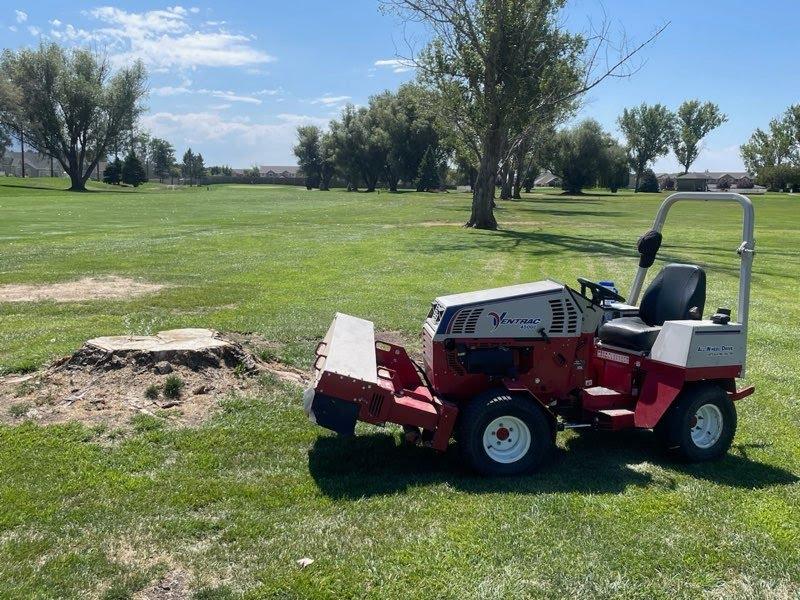
Tree Removal &
Stump Services
Tree Removal, Hazardous Tree Removal, Stump Grinding & Removal, Land Clearing.
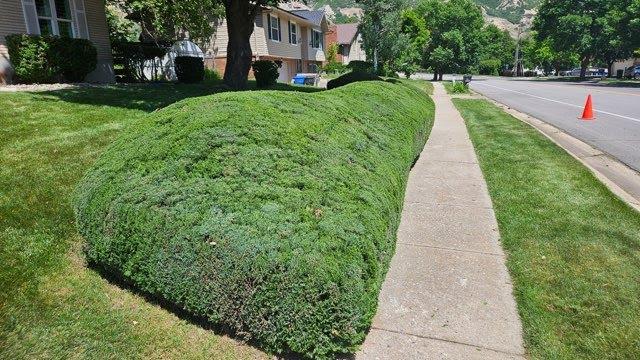
Tree & Shrub Care
Trimming & Pruning, Shrub & Landscape Maintenance, Fertilization, Treatment
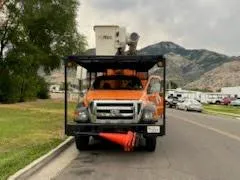
Emergency &
Storm Services
Emergency Tree Services, Storm Damage Response
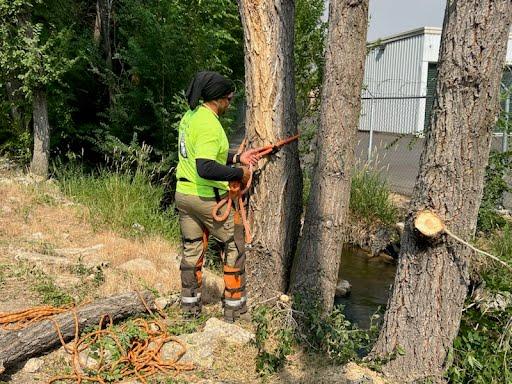
Tree Health & Structural Support
Diagnosis & Risk Management, Cabling, Bracing & Preservation
Why Choose Darrell’s?
Trusted, Local Tree Care Experts
Since 1981
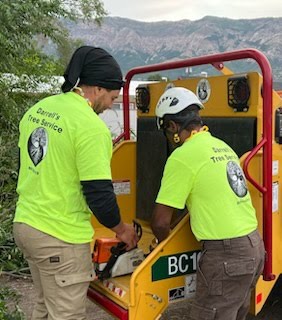
Here's what you get:
Locally Owned & Operated Since 1981
Certified, Experienced Arborists
Free, No-Obligation Estimates
Fully Licensed & Insured
Prompt, Thorough Cleanup, Every Job
4.6-Star Rated by Your Neighbors
Areas We Serve
CLIENT'S REVIEWS
WE HANDLE EVERYTHING FOR YOU
OVER
40
YEARS OF SERVICE
OVER
52,000
TREES TAKEN CARE OF
OVER
30
COMMUNITIES SERVED
Commercial Tree Service
We serve cities, churches, schools, hospitals, property management companies, HOAs, and businesses throughout the region. Our certified arborists and fully insured team deliver professional tree removal, pruning, stump grinding, and root grinding services tailored to meet the unique needs of commercial properties.
Whether you manage a municipal facility, institutional campus, apartment complex, or retail property, we provide reliable, efficient service that protects your investment and maintains your landscape's health and safety. From emergency storm response to routine maintenance, Darrell's Tree Service combines certified expertise with competitive pricing to keep your commercial property looking its best. Contact us today for a free estimate and discover why Weber County, Davis County, Box Elder County, and Salt Lake County trust us leading organizations trust us with their tree care needs.
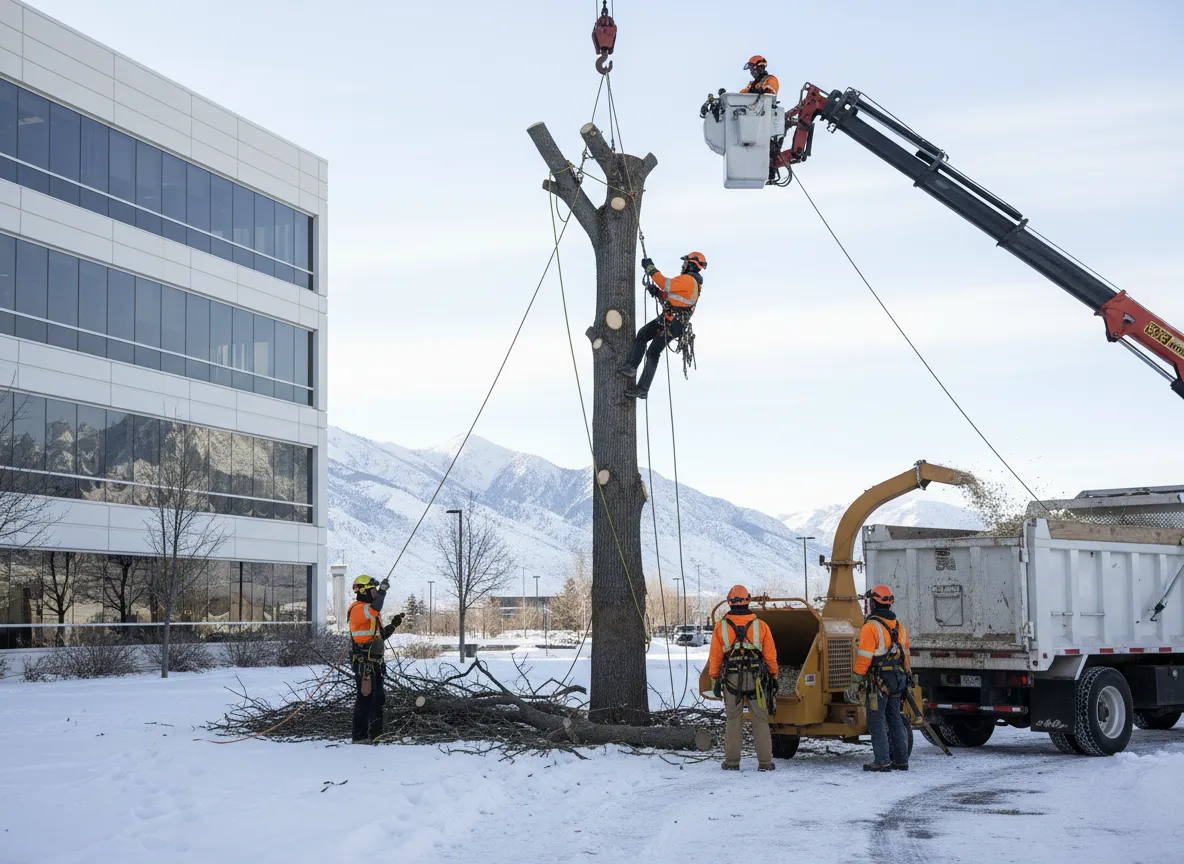
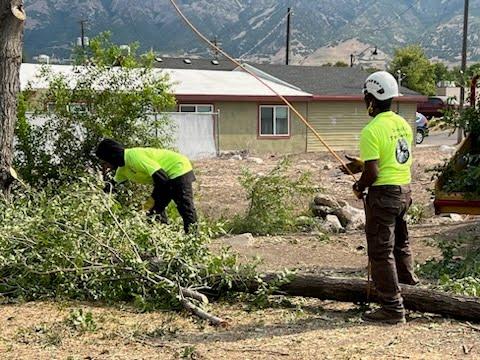
Residential Tree Service
Darrell's Tree Service is the trusted choice for residential tree care throughout Ogden, Layton, Salt Lake City, and surrounding Northern Utah communities. With over 40 years of local expertise, our certified arborists deliver professional tree removal, pruning, stump grinding, and root grinding services designed to protect your home and property. Whether you're dealing with storm damage, overgrown trees threatening your foundation, or routine maintenance to keep your landscape healthy and safe, our fully insured team provides reliable, efficient service at competitive prices.
We understand that your home is your most valuable investment, which is why we treat every residential project with the care and attention it deserves. From emergency 24/7 response to scheduled maintenance, Darrell's Tree Service combines certified expertise with transparent pricing and exceptional customer service. Contact us today for a free estimate and experience why homeowners from as far North as Logan and Tremonton to Salt Lake City and everything in between Northern Utah.
RECENT POSTS
Root Grinding in Fruit Heights & Bountiful: What Utah Homeowners Need to Know
Root Grinding in Fruit Heights & Bountiful: What Utah Homeowners Need to Know
If you've recently had a tree removed from your property in Fruit Heights or Bountiful, you probably noticed something the tree service left behind — the stump and, more importantly, the root system underneath it. Root grinding in Fruit Heights and Bountiful, Utah is one of those services that often gets overlooked in the excitement of finally getting a hazardous or dead tree down. But those leftover roots can cause real problems for your yard, your driveway, and even your home's foundation if they're left to decompose on their own timeline.
Let's talk about what root grinding actually is, why it matters for Northern Utah homeowners, and how to get your yard ready so the job goes smoothly.
What Is Root Grinding and Why Does It Matter?
Root grinding is the process of using specialized equipment to mechanically grind down the root system of a removed tree below the soil line. Unlike stump grinding, which focuses on the visible stump, root grinding goes deeper — targeting the major lateral roots that extend outward from the base of the tree. In some cases, those roots can travel two or three times the width of the tree's canopy, especially in older trees common in established Fruit Heights and Bountiful neighborhoods.
When roots are left in the ground after a tree removal, they don't just disappear quietly. As they break down over the course of several years, they create voids in the soil. Those voids can cause the ground above them to sink, leaving dips and depressions in your lawn. In areas where roots have grown under hardscape — like driveways, walkways, or patios — the settling can crack concrete and create trip hazards. Utah's freeze-thaw cycles make this worse, as water fills the gaps left by decomposing roots, freezes, expands, and accelerates the damage.
Root Grinding vs Stump Grinding: What's the Difference?
A lot of homeowners in the Bountiful and Fruit Heights area assume stump grinding and root grinding are the same thing. They're related, but they serve different purposes. Stump grinding addresses the visible stump that's sitting above ground level — usually grinding it down 6 to 12 inches below the soil so you can cover it with dirt and replant. It's a surface-level fix.
Root grinding goes further. It targets the major root flares and lateral roots that extend from the stump outward. This is especially important if you're planning to build, pave, or landscape over the area where the tree used to be. If you're putting in a new driveway where an old tree once stood, stump grinding alone won't cut it — the roots underneath will eventually rot and cause the pavement to crack or sink.
In some cases, root grinding is also necessary when roots from a removed tree are causing problems for nearby structures — lifting sidewalks, invading sewer lines, or pushing against retaining walls. The Wasatch Front's clay-heavy soils can amplify these issues because the ground shifts and expands with moisture changes through the seasons.
When Do You Need Root Grinding?
Not every tree removal requires root grinding, but there are several situations where it's strongly recommended. If you're planning to replant in the same spot — whether that's a new tree, a garden bed, or sod — grinding the old root system gives the new plants a clean start without competition from decaying wood underground. The nitrogen drawdown from decomposing roots can also stunt new growth, so removing them helps your new landscaping thrive.
If the removed tree was near a driveway, sidewalk, patio, or foundation, root grinding is worth the investment. Fruit Heights and Bountiful both have neighborhoods with mature trees planted close to hardscape, and as those trees age and get removed, the roots left behind become a ticking time bomb for concrete and asphalt. Grinding them out now prevents costly repairs later.
You'll also want root grinding if you're installing new construction — a shed, an extension, a deck footing system, or irrigation lines. Building over a root system that's going to decompose and settle is asking for structural headaches down the road.
How to Prepare Your Yard for Root Grinding
Before a root grinding crew arrives, there are a few things you can do to make the job go faster and cost less. First, mark any underground utilities. Utah's Blue Stakes service is free, and it's critical — the last thing anyone wants is to hit a gas line or water main while grinding roots. In Bountiful and Fruit Heights, utility lines often run closer to the surface than people expect, especially in older subdivisions.
Clear the area around the stump and root zone of any furniture, planters, decorative rocks, or yard ornaments. The grinding equipment needs room to maneuver, and anything in the way could get damaged. If you have irrigation heads near the work area, flag them so the crew knows to avoid them.
Think about access, too. The grinding machines are heavy and wide — make sure there's a clear path from the street or driveway to the work area. If you have a narrow side yard with gates, let the tree service know ahead of time so they can bring appropriately sized equipment. In some of the hillside properties around Fruit Heights, access can be tight, and it helps to discuss this during your initial assessment.
What to Expect After Root Grinding
Once the grinding is done, you'll be left with a mix of wood chips and soil where the root system used to be. The amount of material depends on the size of the tree and how extensive the root system was. Most of the time, the crew will backfill the hole with the grindings and top it with soil, leaving you with a relatively level surface.
You'll want to let the area settle for a few weeks before doing any major landscaping. The grindings will decompose and the soil will compact, so expect some settling — you may need to add more soil after a month or so. If you're planning to plant grass, give it a full season before seeding. If you're planting a new tree, choose a spot at least a few feet away from where the old root system was, so the new tree has fresh soil to establish in.
The wood chips can also be repurposed as mulch in other parts of your yard, which is a nice bonus. Just don't pile them directly against the trunk of any existing trees — keep mulch a few inches away to prevent rot.
Don't Wait on Those Leftover Roots
It's easy to think out of sight, out of mind when it comes to what's left underground after a tree removal. But in Northern Utah's climate, those roots won't just quietly disappear — they'll decompose slowly, cause settling, and potentially damage the hardscape and structures around them. Whether you're in Fruit Heights with a tree that was removed last month or in Bountiful with roots creeping under your driveway, getting them ground out now saves you from bigger bills and bigger headaches later.
If you've got a stump, root system, or just questions about what's happening under your yard, give us a call. We'll come take a look, give you an honest assessment, and let you know exactly what needs to happen. Call Darrell's Tree Services at (801) 814-8119 or visit darrellstreeservices.com for a free assessment.

Serving Ogden and Northern Utah with trusted, certified tree care since 1981.


