Darrell’s Tree Service
Trusted Residential and Commercial Tree Service for Northern Utah
Serving Ogden & The Wasatch Front Since 1981
Healthy Trees.
Happy Propertys.
Peace of Mind.
For over 40 years, Darrell’s Tree Service has been Northern Utah’s go-to team for expert tree care, removal, and landscape solutions. Our certified arborists combine deep local knowledge with professional training to keep your property safe, beautiful, and thriving, season after season.
Our Services
OUR SERVICES
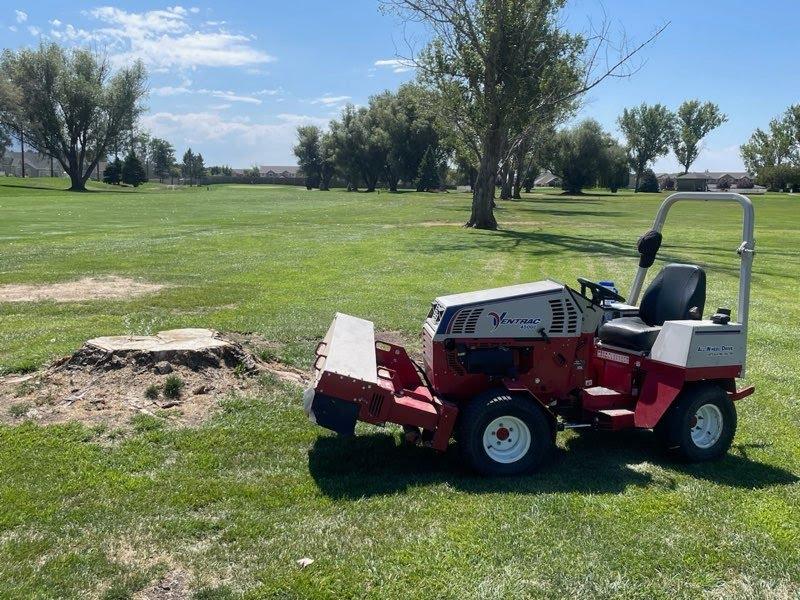
Tree Removal &
Stump Services
Tree Removal, Hazardous Tree Removal, Stump Grinding & Removal, Land Clearing.
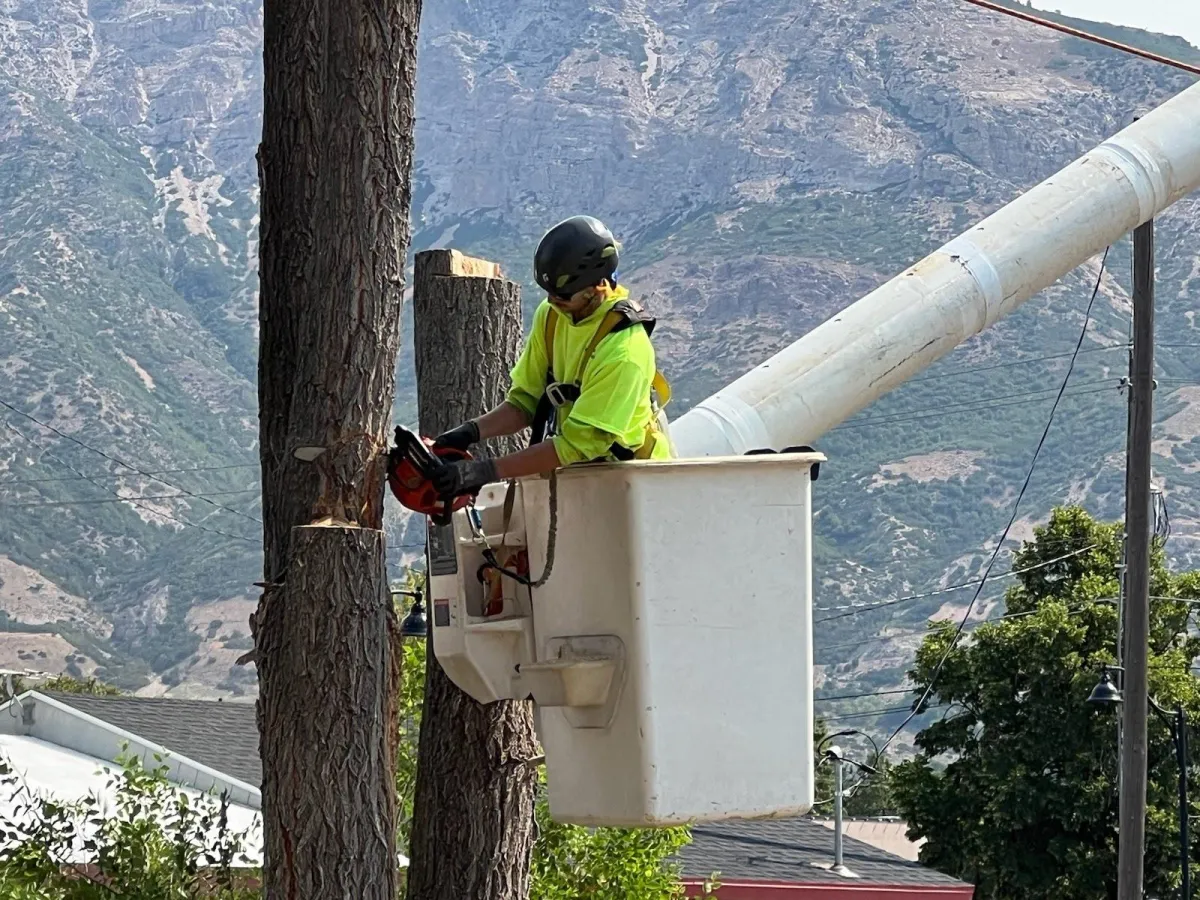
Tree & Shrub Care
Trimming & Pruning, Shrub & Landscape Maintenance, Fertilization, Treatment
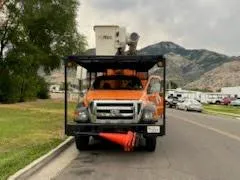
Emergency &
Storm Services
Emergency Tree Services, Storm Damage Response
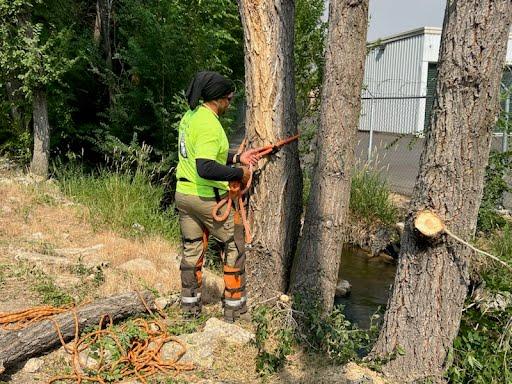
Tree Health & Structural Support
Diagnosis & Risk Management, Cabling, Bracing & Preservation
Why Choose Darrell’s?
Trusted, Local Tree Care Experts
Since 1981
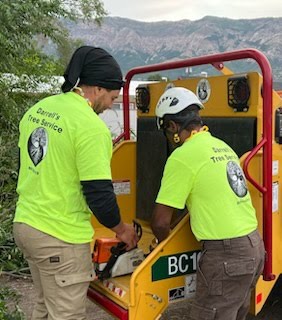
Here's what you get:
Locally Owned & Operated Since 1981
Certified, Experienced Arborists
Free, No-Obligation Estimates
Fully Licensed & Insured
Prompt, Thorough Cleanup, Every Job
4.6-Star Rated by Your Neighbors
Areas We Serve
CLIENT'S REVIEWS
WE HANDLE EVERYTHING FOR YOU
OVER
40
YEARS OF SERVICE
OVER
52,000
TREES TAKEN CARE OF
OVER
30
COMMUNITIES SERVED
Commercial Tree Service
We serve cities, churches, schools, hospitals, property management companies, HOAs, and businesses throughout the region. Our certified arborists and fully insured team deliver professional tree removal, pruning, stump grinding, and root grinding services tailored to meet the unique needs of commercial properties.
Whether you manage a municipal facility, institutional campus, apartment complex, or retail property, we provide reliable, efficient service that protects your investment and maintains your landscape's health and safety. From emergency storm response to routine maintenance, Darrell's Tree Service combines certified expertise with competitive pricing to keep your commercial property looking its best. Contact us today for a free estimate and discover why Weber County, Davis County, Box Elder County, and Salt Lake County trust us leading organizations trust us with their tree care needs.
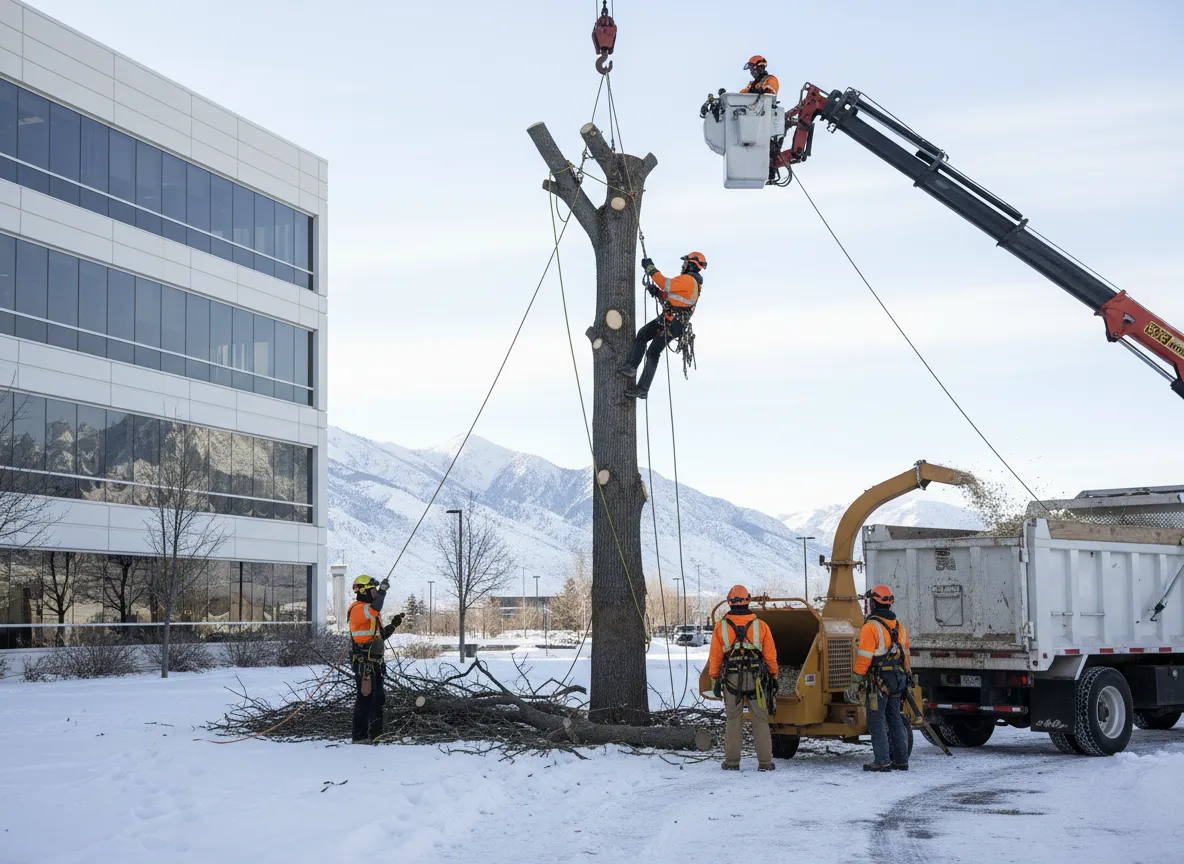
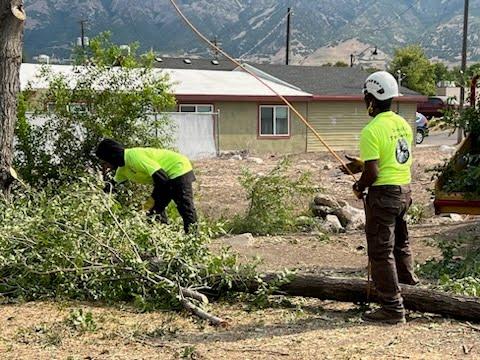
Residential Tree Service
Darrell's Tree Service is the trusted choice for residential tree care throughout Ogden, Layton, Salt Lake City, and surrounding Northern Utah communities. With over 40 years of local expertise, our certified arborists deliver professional tree removal, pruning, stump grinding, and root grinding services designed to protect your home and property. Whether you're dealing with storm damage, overgrown trees threatening your foundation, or routine maintenance to keep your landscape healthy and safe, our fully insured team provides reliable, efficient service at competitive prices.
We understand that your home is your most valuable investment, which is why we treat every residential project with the care and attention it deserves. From emergency 24/7 response to scheduled maintenance, Darrell's Tree Service combines certified expertise with transparent pricing and exceptional customer service. Contact us today for a free estimate and experience why homeowners from as far North as Logan and Tremonton to Salt Lake City and everything in between Northern Utah.
RECENT POSTS
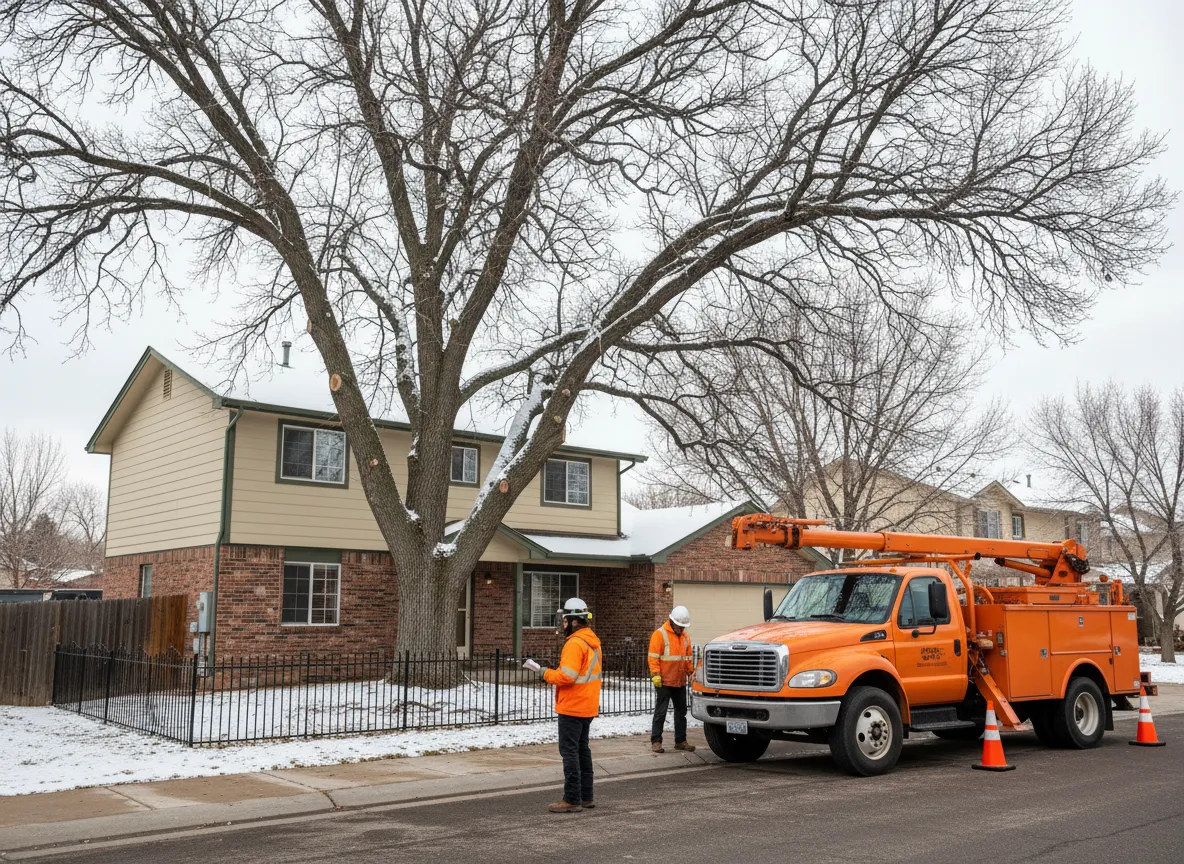
Cost to Take Down a Tree in Layton, UT | Pricing
If you’ve got a tree in Layton that’s starting to worry you—leaning toward a building, dropping big limbs, or just looking “off”—it’s normal to want one clear answer: what is this going to cost me? Northern Utah weather can turn a small concern into a real problem fast (wind, heavy snow, freeze/thaw, and summer drought all take a toll), and when a tree becomes a risk, most people want it handled safely and without surprises.
When someone asks me about the cost to take down a tree in Layton, UT, I always start with the same promise: I’ll look at the tree and the site, explain what I’m seeing in plain language, and provide a clear, written estimate. No pressure—just real information so you can make the right call for your property.
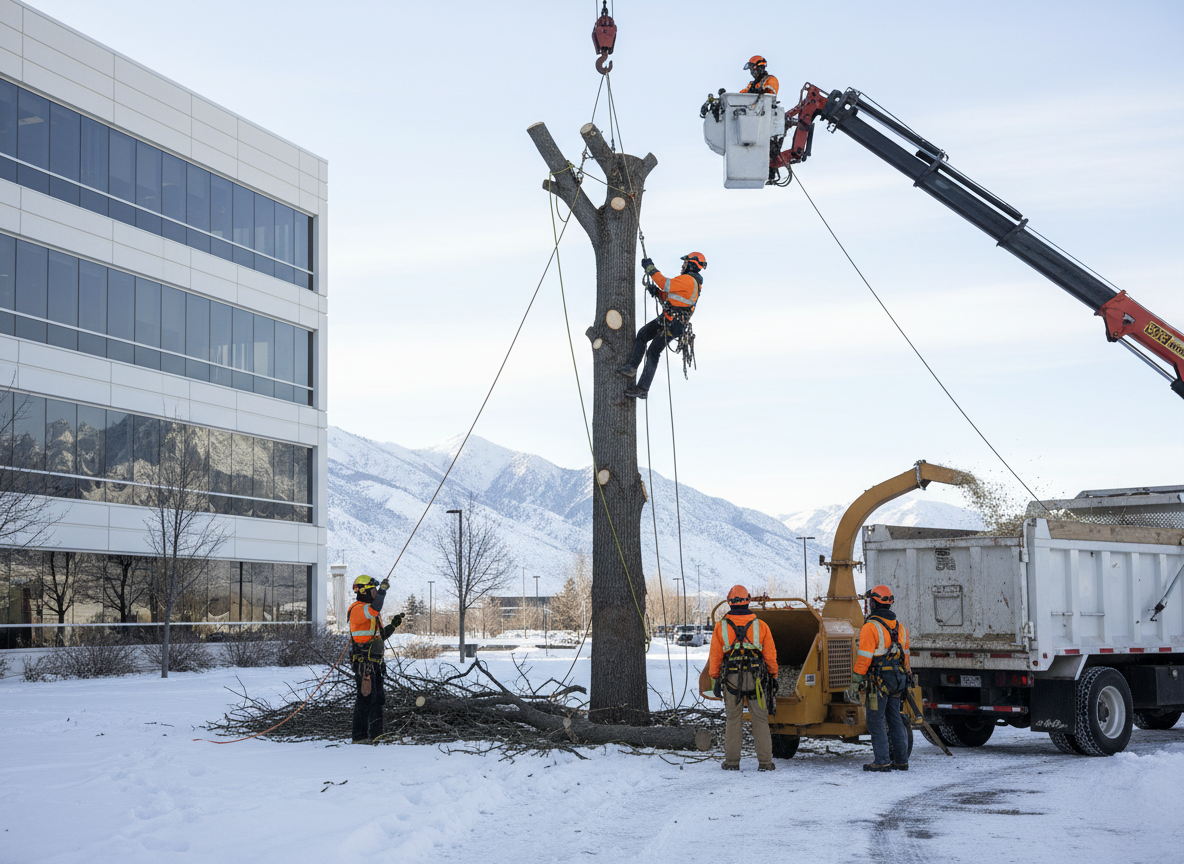
Typical price ranges for tree removal in Layton (what you can expect)
Tree removal pricing in Layton varies because every tree and every site is different. But here are realistic “ballpark” ranges to help you plan:
- Small tree removal (roughly under 30 ft): often a few hundred dollars to around $1,000
- Medium tree removal (about 30–60 ft): commonly around $1,000 to $2,500
- Large tree removal (60+ ft) or complex removals: often $2,500 to $6,000+
Those ranges can move up or down depending on access, hazards, and how technical the removal needs to be.
If you’re searching “cost to take down a tree Layton Utah,” you’re probably looking for a number you can trust. The most accurate way to get that is a quick on-site evaluation—especially in neighborhoods with tighter access, fences, sheds, power lines, or landscaping you want protected.
The biggest factors that change the cost
Here’s what I’m evaluating when I price tree removal in Layton:
1) Tree size and structure
Height matters, but so does shape. A tall tree with a clean trunk and open drop zone is usually simpler than a shorter tree with multiple heavy leaders over a roof.
2) Access to the work area
Can we get equipment close? Are we working through a narrow gate? Is the tree in a backyard with limited entry? The harder it is to reach the tree safely, the more time and labor the job takes.
3) Hazards (the “risk factor”)
This is a big one in Northern Utah. A tree might be:
- Leaning toward a home, garage, or commercial building
- Overhanging a parking lot or sidewalk with foot traffic
- Tangled near power lines
- Split, cracked, or storm-damaged
Hazard work often requires controlled rigging, more crew coordination, and sometimes specialized equipment.
4) Condition of the tree
Dead, decayed, or hollow trees can be unpredictable. They may not support a climber safely, and they can break in ways that healthy trees don’t. That changes the plan—and the price.
5) Cleanup expectations
A professional removal should include thorough cleanup. I’ll clarify what’s included in the written estimate—hauling brush and wood, raking, blowing off hard surfaces, and leaving the site clean.
6) Stump grinding (optional, but common)
Tree removal and stump removal are often priced separately. If you want the stump gone, stump grinding is usually the most practical option.
If you want to learn more about stump work, see our stump grinding page: https://darrellstreeservices.com/stump-grinding/
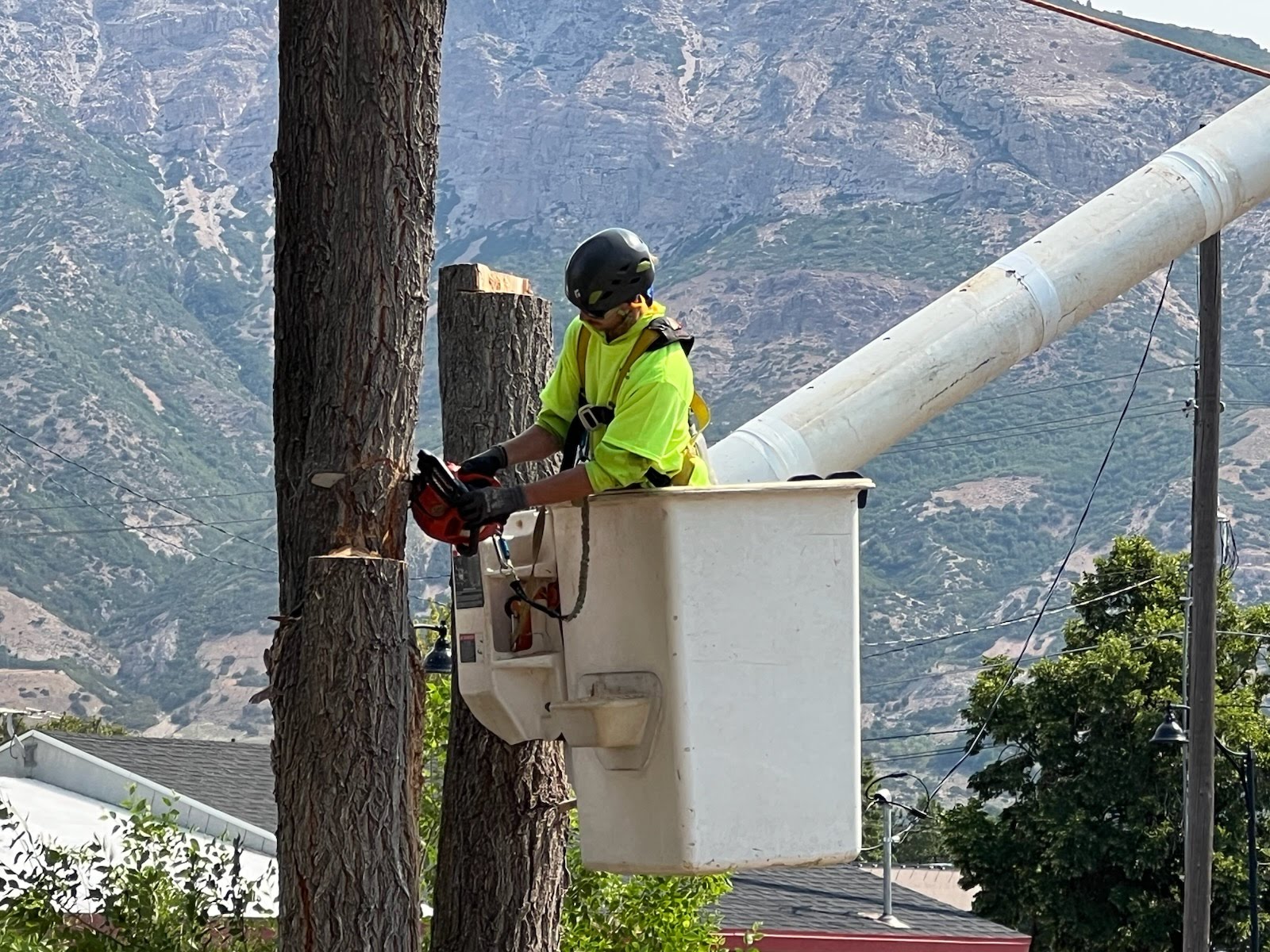
Why Layton’s climate matters (and why it affects timing and cost)
Layton and the Wasatch Front get a mix of heavy snow, strong winds, and hot, dry summers. That combination can:
- Load branches with snow and ice until they fail
- Create wind-sail in dense canopies
- Stress trees during drought, making them more likely to decline
- Worsen cracks and weak unions through freeze/thaw cycles
Sometimes the “right” move isn’t removal—it’s pruning to reduce risk. Other times, removal is the safest option, especially when a tree is already failing or threatening a structure.
If you’re unsure, start with a professional evaluation. You may only need targeted pruning instead of a full removal.
Learn more about pruning and trimming here: https://darrellstreeservices.com/tree-trimming/
Commercial properties: what affects pricing for businesses in Layton?
If you manage a commercial site—an HOA, church, retail center, office park, or municipal property—tree removal pricing often depends on a few extra considerations:
- Traffic and pedestrian control: keeping customers, tenants, and staff safe
- Work windows: early mornings, weekends, or phased work to reduce disruption
- Liability and documentation: clear scope, insured work, and a written estimate
- Multiple trees or ongoing maintenance: bundling work can reduce per-tree costs
For commercial clients, I’m focused on safety, clean execution, and minimizing disruption—because a “simple” tree removal can turn into a big headache if it’s not planned well.
What a professional estimate should include
When I provide a written estimate for tree removal in Layton, I make sure it’s easy to understand. You should know:
- What exactly is being removed (tree(s), limbs, brush)
- Whether stump grinding is included
- What cleanup looks like
- Any access requirements (gate width, parking, etc.)
- Any special hazards and how we’ll manage them
If you’re comparing bids, don’t be afraid to ask how the company plans to do the work. A low price that skips safety steps can cost you more later.
Can you lower the cost to take down a tree?
Sometimes, yes—without cutting corners.
Here are a few practical ways to keep costs reasonable:
- Combine services: If you need pruning on other trees, bundling work can reduce mobilization costs.
- Schedule proactively: Emergency removals after storms can be more complex than planned work.
- Decide on wood handling: Keeping firewood on-site vs. hauling everything away can change the scope.
- Confirm stump plans: If you’re not replanting or building, you might delay stump grinding.
I’ll always talk through options so you can choose what fits your budget and your risk tolerance.
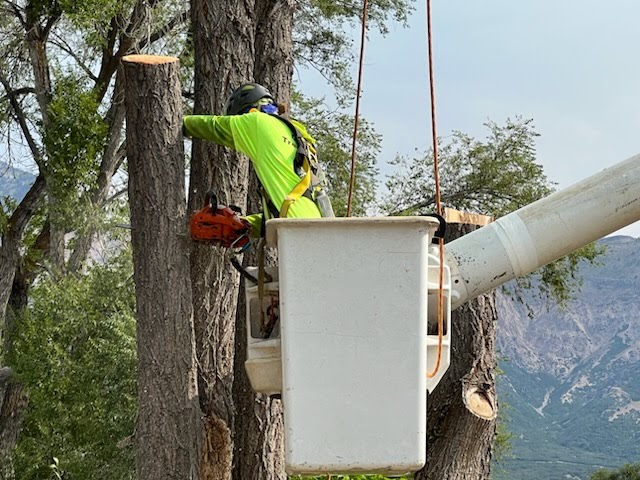
Removal vs. trimming: how to decide
A lot of people start by searching tree removal costs, but the best solution might be trimming.
Removal is usually the right call when:
- The tree is dead or dying
- There’s major structural damage (splits, severe cracks)
- Roots are lifting hardscape or threatening foundations
- The tree is creating repeated hazards over roofs, lines, or high-traffic areas
Trimming is often enough when:
- The tree is healthy but overgrown
- You need clearance from buildings, signage, or drive lanes
- Snow-load reduction would lower risk
If you’re on the fence, I can help you weigh the pros and cons based on the tree’s condition and your property goals.
What to expect on removal day
If you’ve never hired a tree company before, here’s the general flow:
- Site review and safety setup (protecting landscaping, setting drop zones)
- Controlled removal (section-by-section when needed)
- Chipping and hauling (or stacking wood if requested)
- Final cleanup (rake, blow, and leave the property tidy)
For businesses, we’ll also coordinate around parking, access lanes, and foot traffic so your day stays as normal as possible.
Why people in Layton choose Darrell’s Tree Service
When you’re deciding who to hire, you’re not just paying for a truck and a chainsaw—you’re paying for a safe plan, experienced hands, and a clean finish.
Darrell’s Tree Service has been serving Northern Utah for decades, and we take pride in doing things the right way:
- Safety-first approach
- Licensed and insured work
- Clear communication and written estimates
- Thorough cleanup
- Local knowledge of Northern Utah trees and weather
Ready for a clear, written estimate in Layton?
If you’re wondering about the cost to take down a tree in Layton, UT, the fastest way to get a real number is to have me take a look. I’ll evaluate size, access, and hazards, then provide a straightforward, written estimate you can trust.
Schedule an appointment here: https://darrellstreeservices.com/appointment
FAQs: Cost to take down a tree in Layton, Utah
How much does it cost to take down a tree in Layton, UT?
Most removals fall somewhere between a few hundred dollars and several thousand, depending on size, access, and hazards. The most accurate price comes from an on-site evaluation and a written estimate.
Is stump grinding included in tree removal pricing?
Not always. Many quotes separate tree removal and stump grinding. If you want the stump removed, ask for stump grinding as part of the estimate.
How long does it take to remove a tree?
Some small removals can be done in a few hours. Larger or more complex removals may take most of a day, or occasionally longer if there are multiple trees or major hazards.
Do you provide estimates for commercial properties like HOAs and churches?
Yes. We regularly work with HOAs, churches, property managers, and commercial sites across Northern Utah. We can plan around access, foot traffic, and business hours.
When is the best time of year for tree removal in Northern Utah?
Tree removal can be done year-round. Winter can be a good time for planned work, while storm season may create urgent removals. Timing depends on safety, access, and the tree’s condition.
Can trimming reduce the cost instead of full removal?
Sometimes. If the tree is healthy, strategic trimming can reduce risk and extend the tree’s life. I’ll tell you honestly whether trimming is a safe option or if removal is the better call.

Serving Ogden and Northern Utah with trusted, certified tree care since 1981.


